
Search
Search The National Post UK
20 results for "Energy Price Cap Adjustments"
Threadneedle Street pivots to tightening as Bank of England raises rates to 4%
In a landmark move, the Monetary Policy Committee has broken a three-year cycle of stability to combat soaring energy costs. As geopolitical tensions escalate, policymakers signal a cautious path forward.
Threadneedle Street signals hawkish turn as rate hike breaks three-year cycle
The Bank of England has lifted the base rate for the first time since 2023, citing accelerating price pressures linked to geopolitical instability in the Middle East. Policymakers are bracing for inflation to test the 5% threshold by the middle of next year.

London Markets Retreat as Inflationary Surge Dampens Growth Outlook
The FTSE 100 has suffered a sharp correction following official data revealing an unexpected uptick in the consumer price index. Investors now brace for a further tightening of monetary policy as the Bank of England faces mounting pressure to address the cost-of-living resurgence.

Deadly Houthi Strike on Dammam Hub Triggers US Withdrawal from Saudi Arabia
The assault on King Fahd International Airport has claimed at least two lives and prompted an emergency order from Washington to evacuate personnel. As regional volatility intensifies, the incident marks a dangerous escalation in the protracted conflict between Yemen’s Ansar Allah and the Saudi-led coalition.
Bank of England Holds Steady as Economic Headwinds Mount
The Monetary Policy Committee has opted to keep the base rate at 3.75 percent, reflecting deep divisions over the trajectory of inflation. A strategic cooling of the bond-selling programme aims to anchor market stability during a period of acute geopolitical volatility.
City Sentiment Shifts as Bank of England Holds Rates Amid Middle East Uncertainty
The Monetary Policy Committee has opted to maintain borrowing costs at 3.75 per cent. While equity markets responded with enthusiasm, policymakers warned that geopolitical instability continues to cast a long shadow over the inflation outlook.
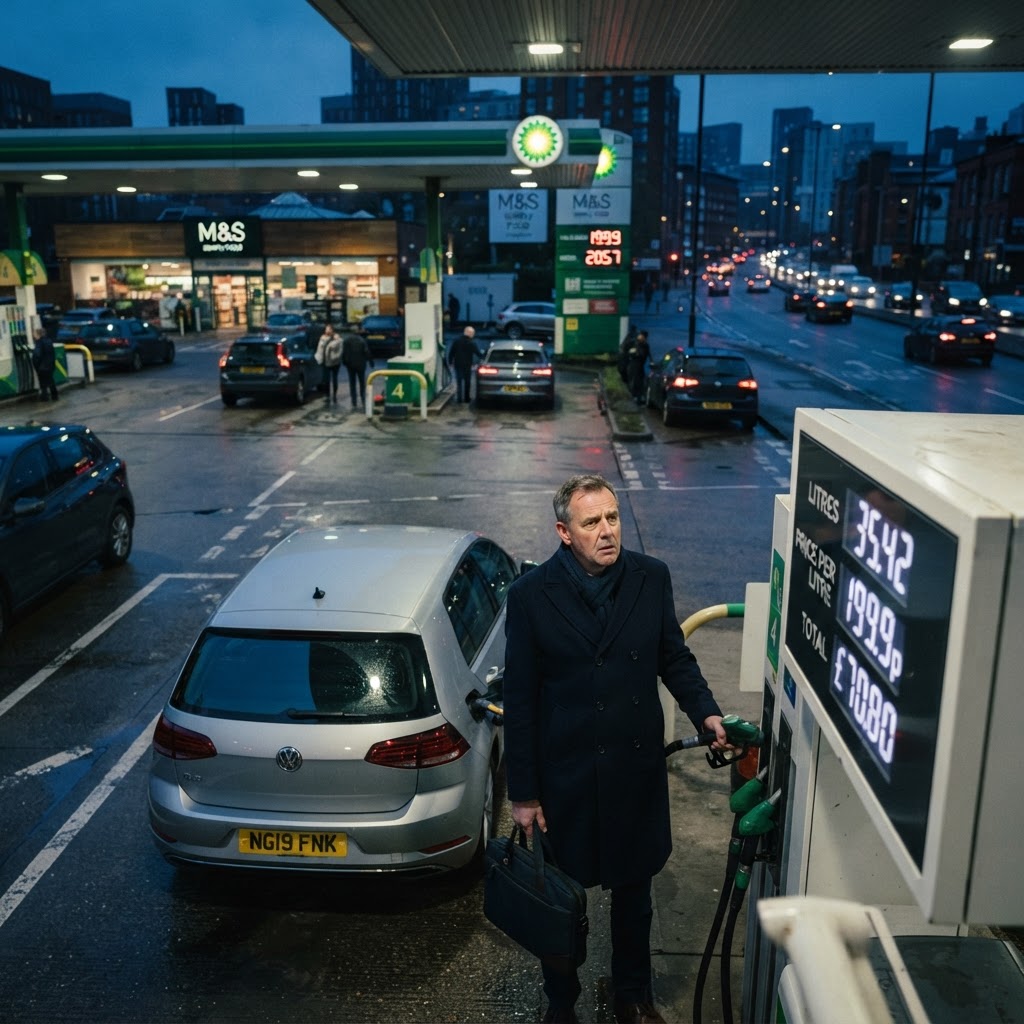
Cost-of-Living Squeeze Tightens as UK Inflation Climbs to 3.1 Per Cent
The latest economic data reveals a hardening inflationary trend across the British Isles. Driven by volatile energy markets and the geopolitical fallout from the Iranian conflict, households and businesses alike face a period of sustained fiscal instability.
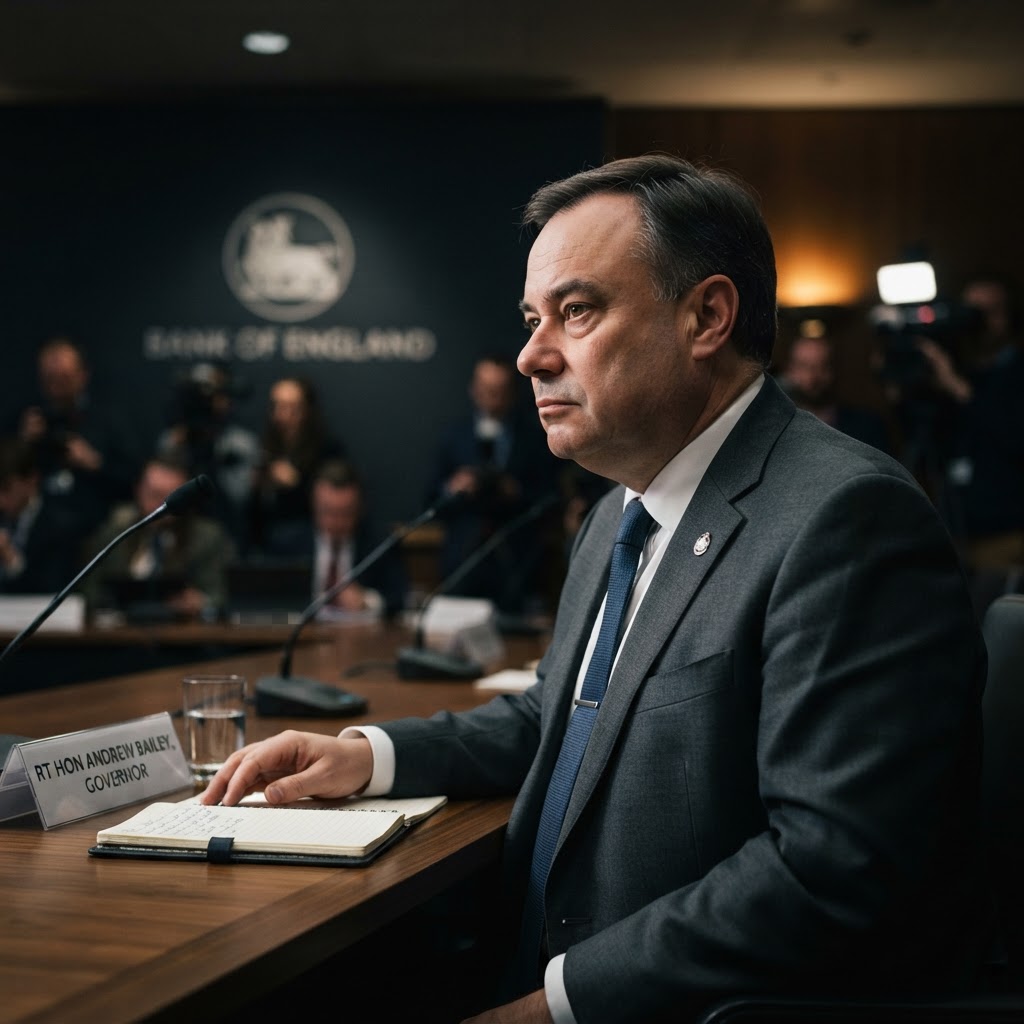
Sterling Stumbles as Markets Pivot Toward Inflationary Headwinds
The British pound has faced a period of consolidation as investors prepare for August inflation prints that threaten to exceed forecasts. With the Bank of England set to convene, all eyes are on whether the central bank will signal a more hawkish path to curb rising price pressures.

Aviation Security Crisis as Massive Data Breach Hits MAG Airports
Manchester, London Stansted, and East Midlands airports confirm a major cyber-attack affecting 8.7 million passengers. The incident represents a severe escalation in threats facing Britain's critical national infrastructure.

Threadneedle Street Braces for Inflationary Headwinds as Rates Hold Steady
As CPI figures retreat to a thirteen-month low, the Bank of England is expected to maintain its hawkish stance this Thursday. Policymakers remain cautious, however, as energy price caps threaten to reignite cost-of-living pressures later this year.

Transatlantic Fracture: Trump Imposes Draconian Tariffs as Geopolitical Instability Mounts
The imposition of punitive trade duties has left the UK isolated from its closest allies, while a combination of resource volatility and climate disasters threatens to push the British economy into a period of acute turbulence. Ministers are now under intense pressure to formulate a robust response to this shifting global landscape.

Sterling Ascends to Two-Year Peak as Bank of England Pivots Toward Tightening
Huw Pill has signalled a firm departure from previous easing expectations as inflationary pressures persist. The shift has sent the currency rallying while equity markets remain buoyed by unexpected corporate activity.

Bailey Stands Firm as Political Vacuum Meets Economic Stagnation
The Bank of England has maintained interest rates at 3.75 per cent, defying calls for a stimulus as the nation grapples with the sudden departure of the Prime Minister. Governor Andrew Bailey’s hawkish stance leaves businesses in a precarious position as inflationary pressures return to the fore.
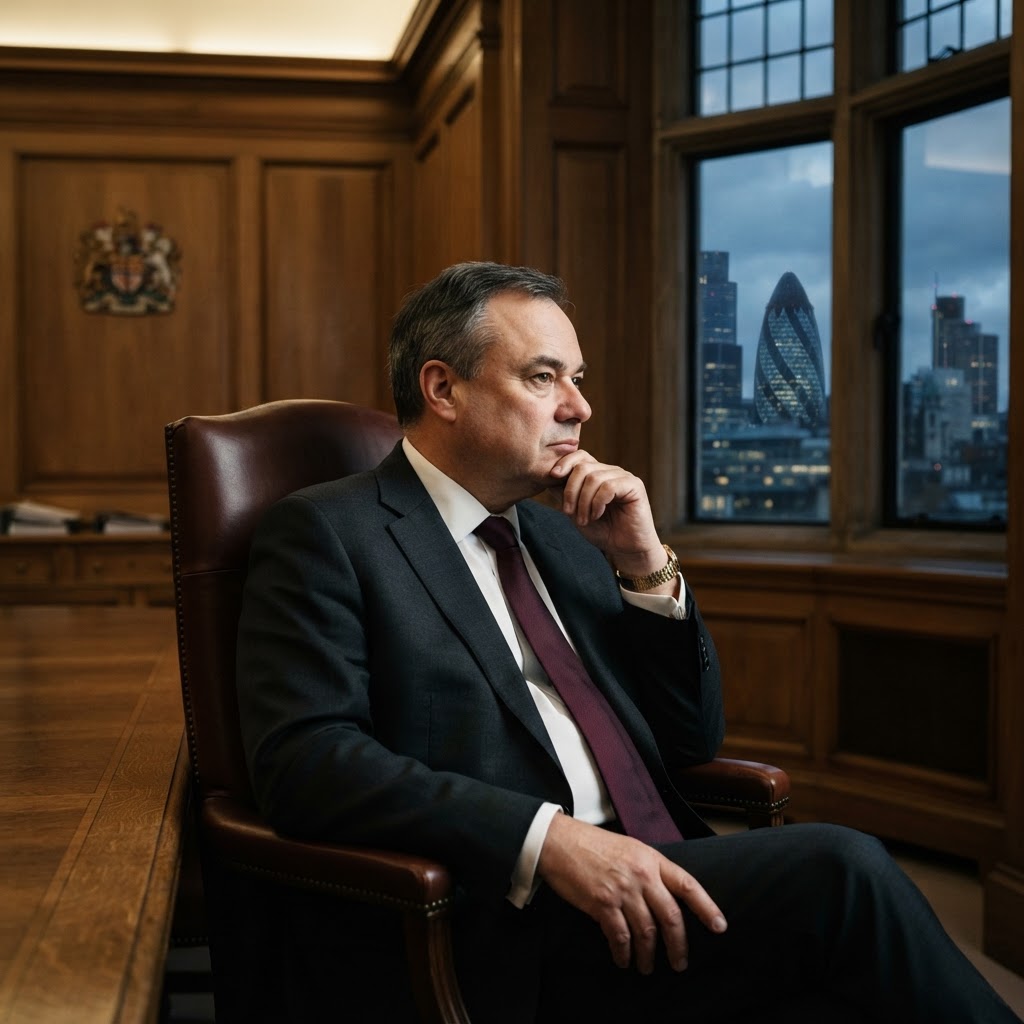
FTSE 100 Steady at Historic Levels Amid Mixed Economic Signals
The UK’s leading index remains buoyed by recovery sentiment despite a slowing US labour market and rising domestic consumer prices. Analysts weigh in on the implications for monetary policy and inflation forecasts.

UK Retail Market Faces Deepening Crisis as Consistent Declines Emerge
Retail sales in June recorded their most significant drop in over two years, reflecting deepening economic woes and a collapse in consumer sentiment. This downturn, coupled with the political turmoil following the Prime Minister's unexpected resignation, poses further challenges for retailers navigating a fragile economic landscape.

Bank of England Faces Energy Crisis Dilemma as Rate Hike Remains Off the Table
In a pivotal meeting, the Bank of England's Monetary Policy Committee decided to hold interest rates at 3.75% amid escalating tensions and an energy supply shock. As inflation expectations rise, the decision reflects cautious optimism in uncertain times.

FTSE 100 Dips as Bank of England Keeps Rates Steady amid Inflation Concerns
Investor sentiment dampens as the Bank of England holds interest rates steady, prompting sharp declines in rate-sensitive stocks. With rising energy prices and persistent inflationary pressures a key concern, markets brace for a potential shift in monetary policy.

Interest Rates Held Steady as Inflation Cools: Bank of England's Cautious Stance
The Bank of England's decision to maintain interest rates at 3.75% reflects a strategic pause amid easing inflation and geopolitical uncertainties. While inflation has dipped, members of the Monetary Policy Committee are advocating for vigilance before making further adjustments.

Consumer Prices Surge Amid Energy Crisis: UK Inflation Hits 3% in May
Official figures reveal inflationary pressures are escalating, largely driven by soaring fuel prices in response to geopolitical tensions. As the cost of living rises, concerns of 'stagflation' loom over the UK economy.

FTSE 100 Faces Crosswinds as Geopolitical Thaw Signals Shift in Economic Landscape
As the US and Iran forge a tentative peace, London's financial markets grapple with uncertain implications for inflation and monetary policy. Brent crude prices' fluctuations could play a decisive role in shaping the Bank of England's forthcoming decisions.
Premium Access
Unlimited access to all our journalism
Subscribe to read every article, including subscriber-only investigations.
Subscribe from £9.99/mo