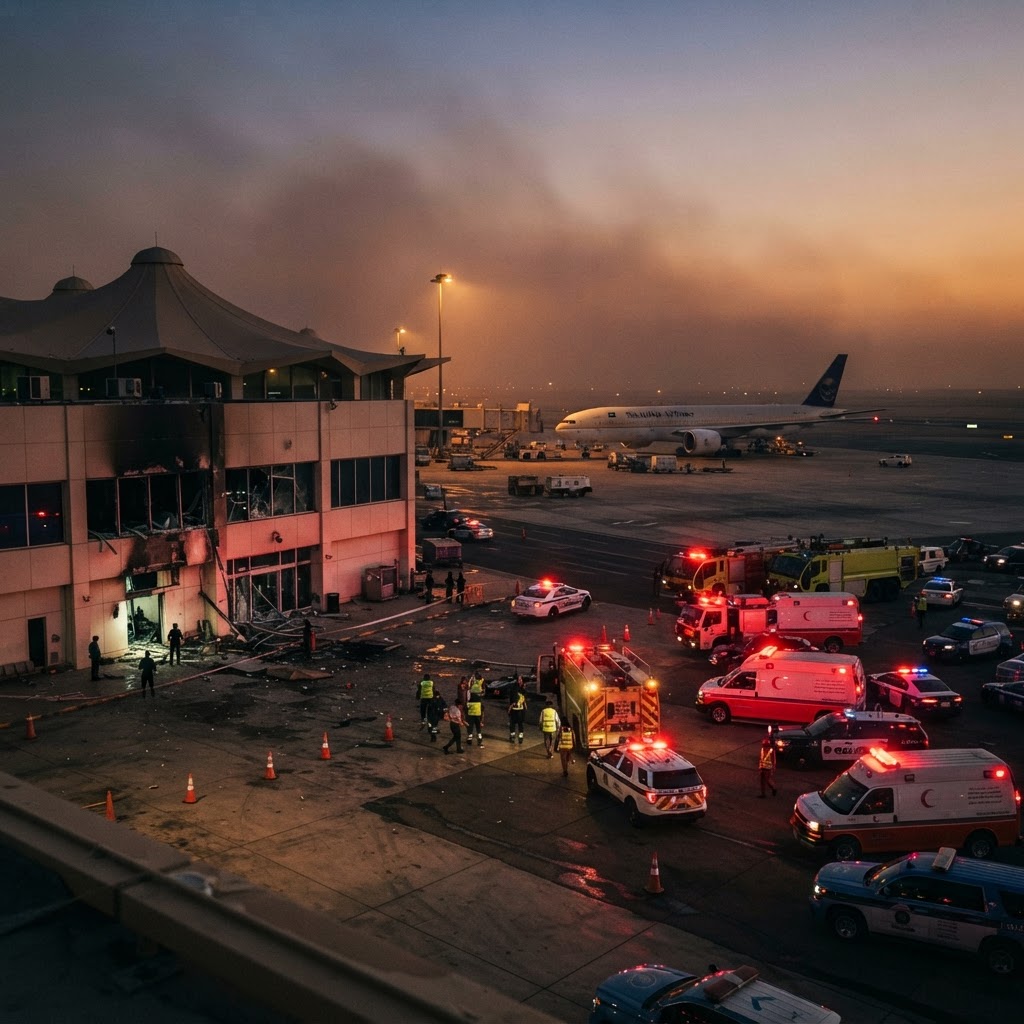
A Violent Escalation in the Eastern Province The fragile security architecture of the Middle East faces its most severe test in years following a coordinated missile and drone assault on King Fahd International Airport in Dammam. The strike, claimed by the Houthi movement, known as Ansar Allah, has resulted in at least two confirmed fatalities and left eight others with serious injuries. The attack represents a significant breach of Saudi defensive capabilities, striking deep into the Kingdom’s Eastern Province, a critical nerve centre for global energy production.
Reports from the ground indicate that the barrage targeted logistical facilities near the airport perimeter, causing widespread panic and substantial infrastructure damage. For the Houthi movement, this represents an expansion of their reach, demonstrating an increasing sophistication in their long-range drone and missile capabilities. The targeting of an international aviation hub, rather than traditional military installations, signals a calculated attempt to disrupt civilian movement and commercial confidence in the region.
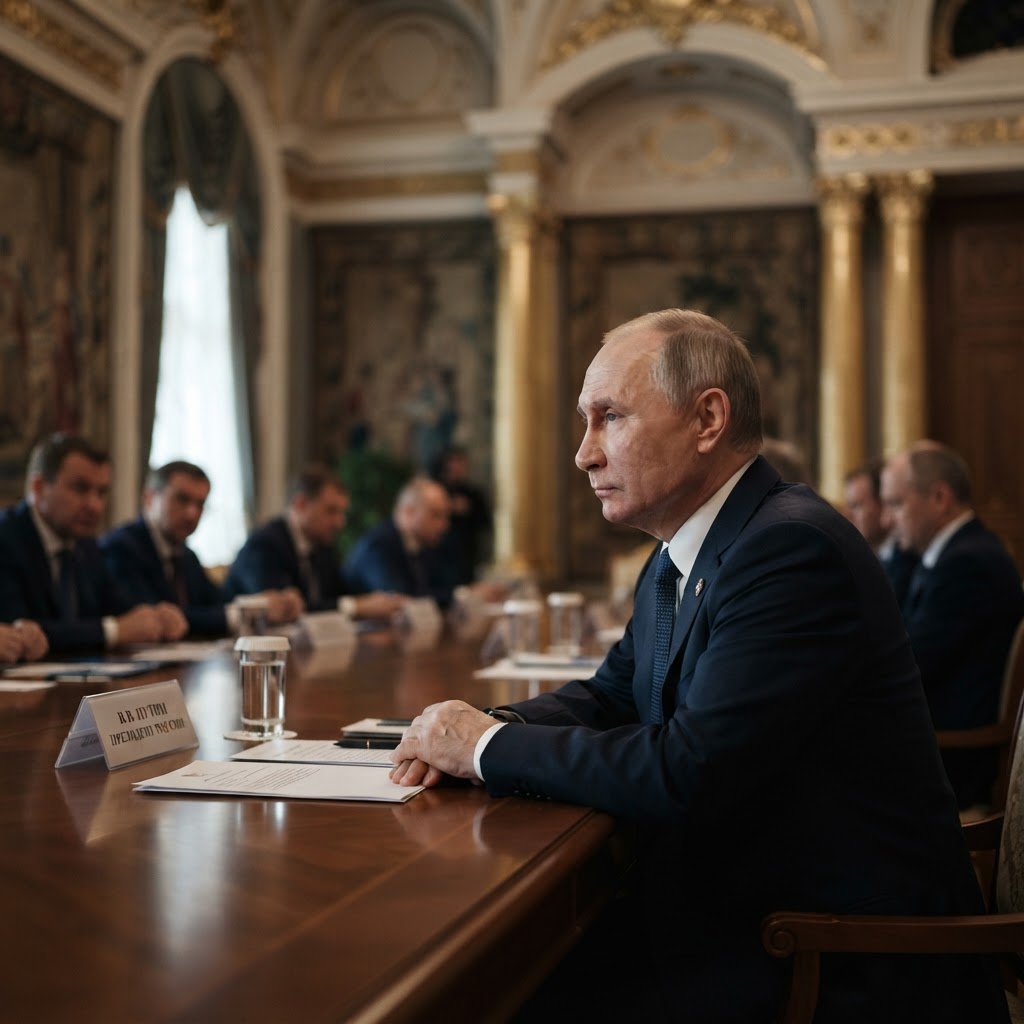
Washington Directs Emergency Evacuation In a move that has sent shockwaves through diplomatic channels in London and Riyadh, US President Donald Trump has issued a directive for the immediate withdrawal of non-essential American personnel stationed within Saudi Arabia. The decision reflects a growing anxiety within the White House regarding the efficacy of existing air defence systems to counter these persistent, low-altitude incursions. US officials have remained tight-lipped regarding the specifics of the drawdown, yet the tactical shift suggests a lack of confidence in the current stability of the theatre.
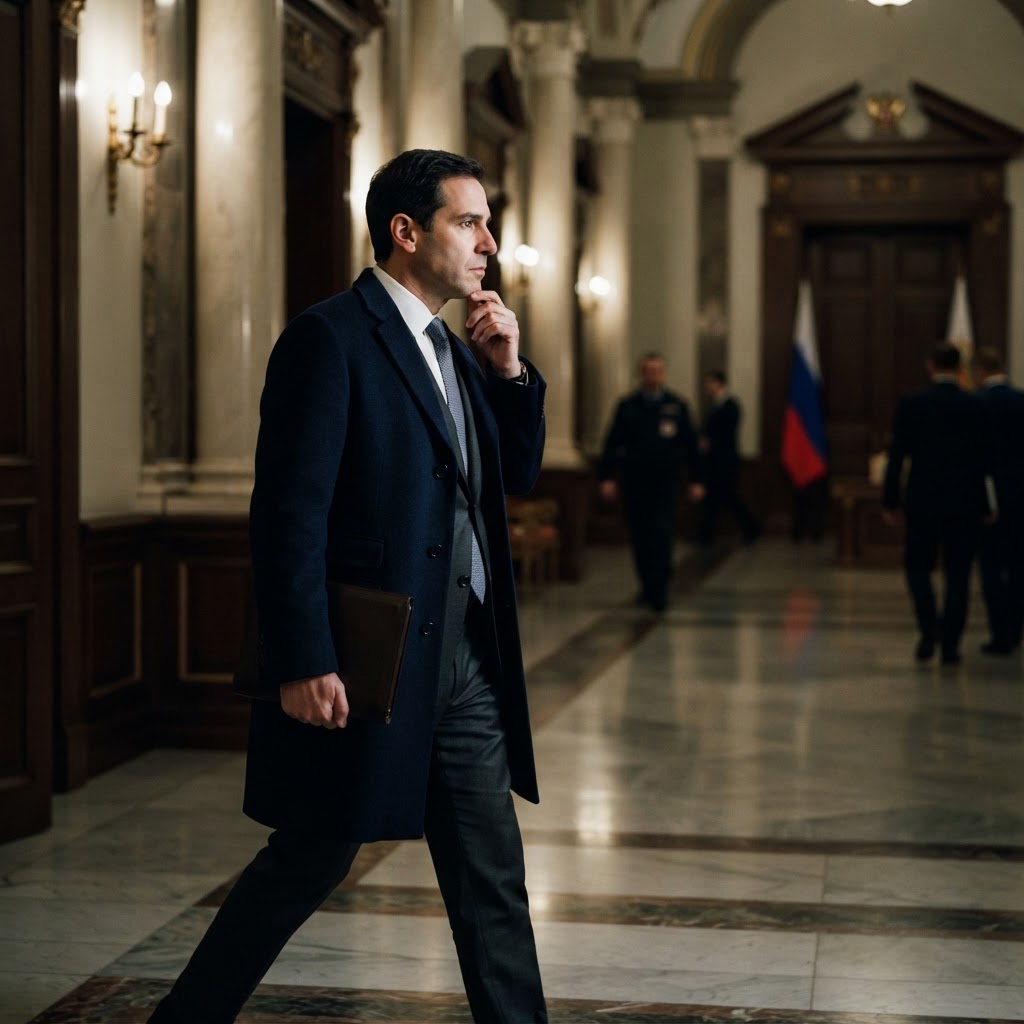
Whitehall sources indicate that the British government is closely monitoring the situation, with the Foreign, Commonwealth and Development Office currently assessing the risk to UK nationals. The prospect of an American retrenchment raises difficult questions for the United Kingdom, which has long relied upon the US-Saudi security umbrella to ensure the free flow of energy through the Gulf.
Global Energy and Regional Instability The immediate consequence of the attack was a sharp climb in crude oil prices, as investors reacted to the heightened threat posed to the Kingdom's critical energy infrastructure. Dammam’s proximity to some of the world’s most vital oil processing facilities has long been a source of anxiety for global markets. Analysts warn that should these attacks continue, the risk premium on oil could translate into significant inflationary pressure across European economies.
Dr. Elena Vance, a senior fellow at the Royal United Services Institute, notes that the Houthi capability to bypass sophisticated detection arrays suggests either a failure in regional intelligence sharing or a leap forward in the technical capabilities provided by external state actors. The situation is no longer a contained border conflict between Yemen and its northern neighbour; it is a systemic challenge to the stability of the entire Arabian Peninsula.
“The targeting of an international aviation hub, rather than traditional military installations, signals a calculated attempt to disrupt civilian movement and commercial confidence in the region.”
A Fractured Geopolitical Landscape The escalation comes at a time of profound geopolitical transition. For years, the Saudi-led coalition has sought to neutralise the threat from Ansar Allah, yet the persistence of these strikes underscores the limitations of purely military solutions in the Yemeni conflict. The Biden administration’s legacy and the subsequent policy adjustments by the current US leadership suggest that Saudi Arabia may find itself increasingly isolated in its pursuit of regional dominance.
As the regional powers digest the implications of this breach, the fundamental question remains whether de-escalation is still a viable diplomatic objective. With American personnel withdrawing and the Houthi movement emboldened by their latest success, the outlook for peace in the region remains perilous. The international community, led by the UN Security Council, is expected to convene emergency sessions, though observers remain sceptical that a resolution can be found while the threat of asymmetric warfare continues to dominate the discourse.