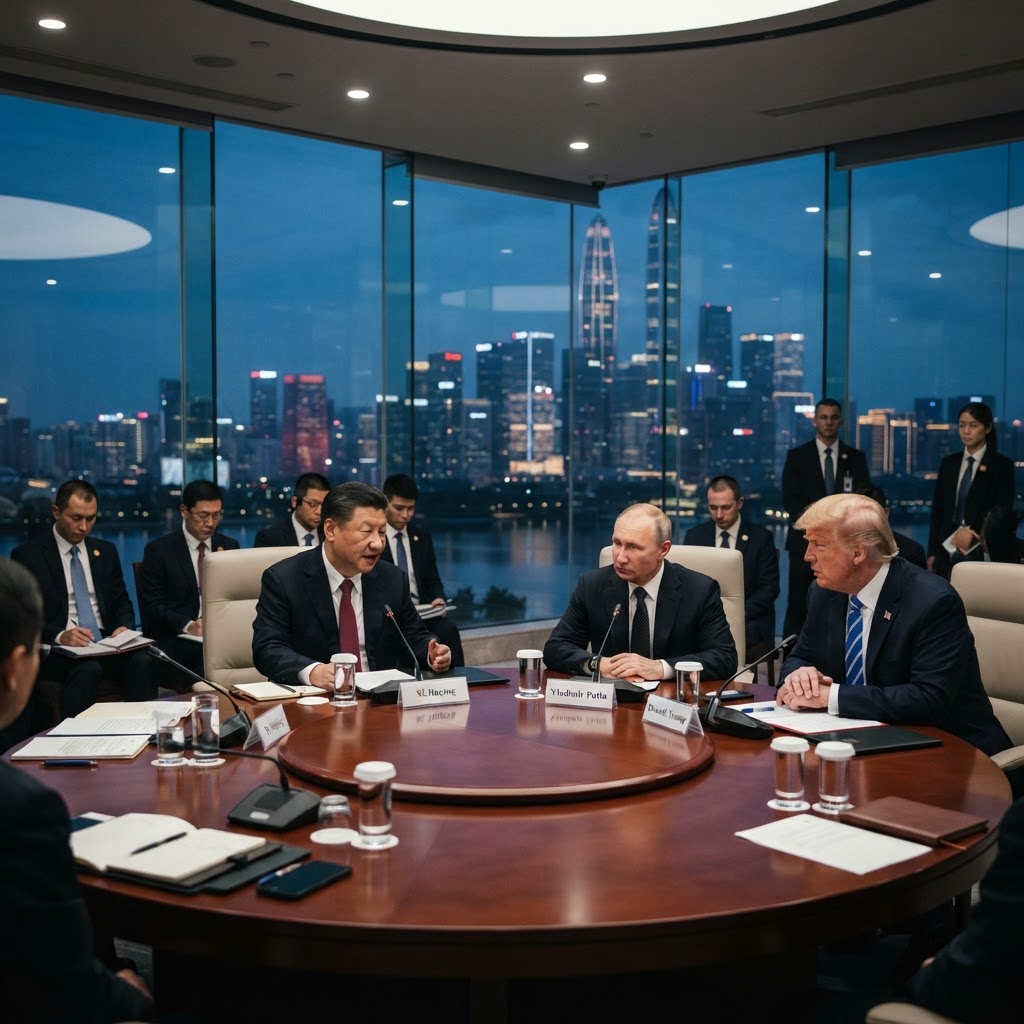
A New Triad of Power: Trump Heads to Shenzhen for Landmark Summit with Xi and Putin
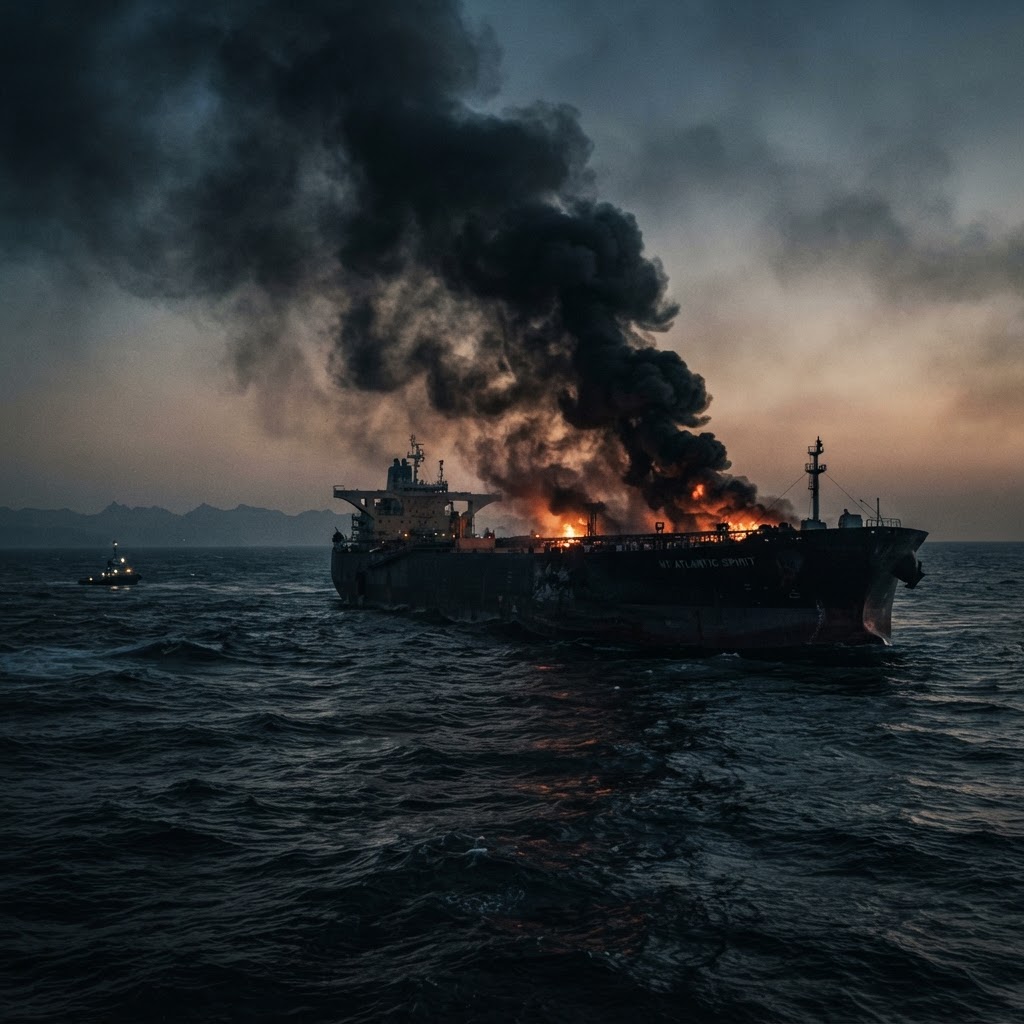
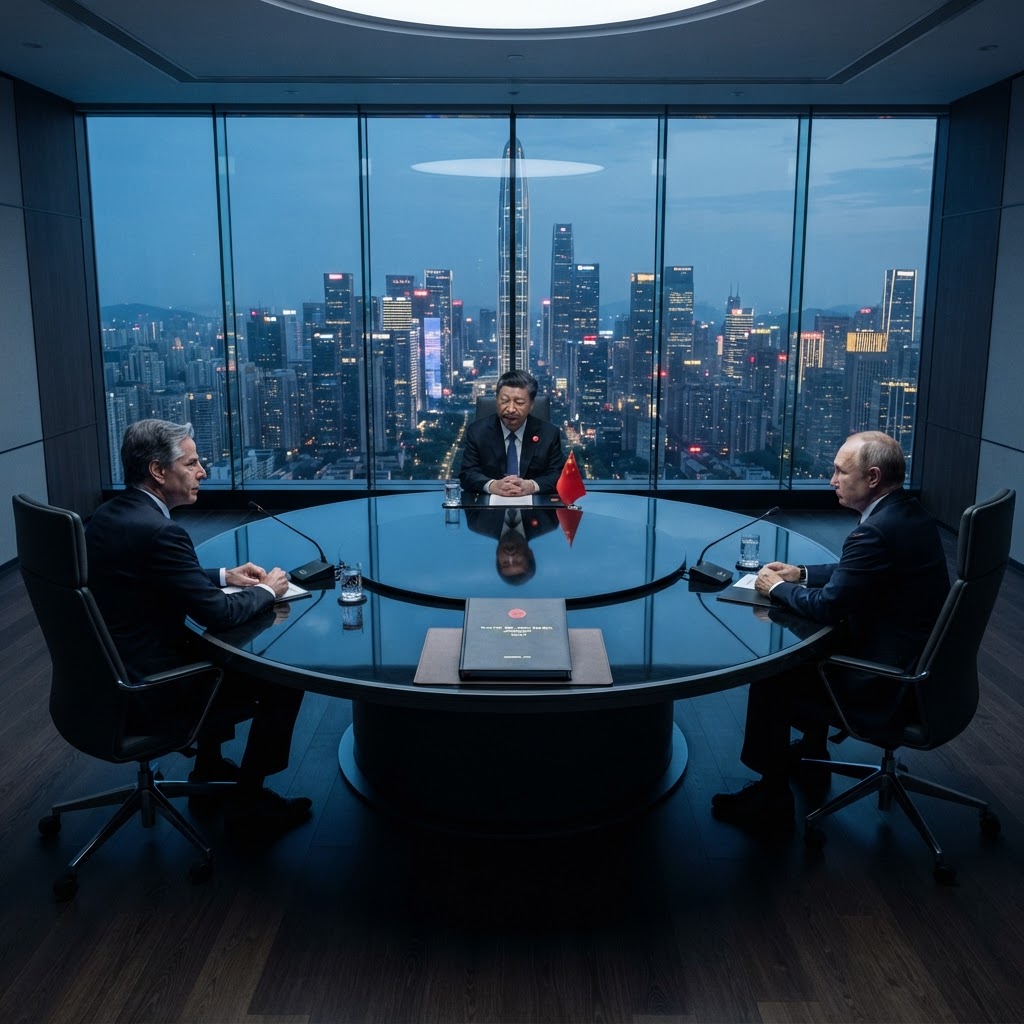
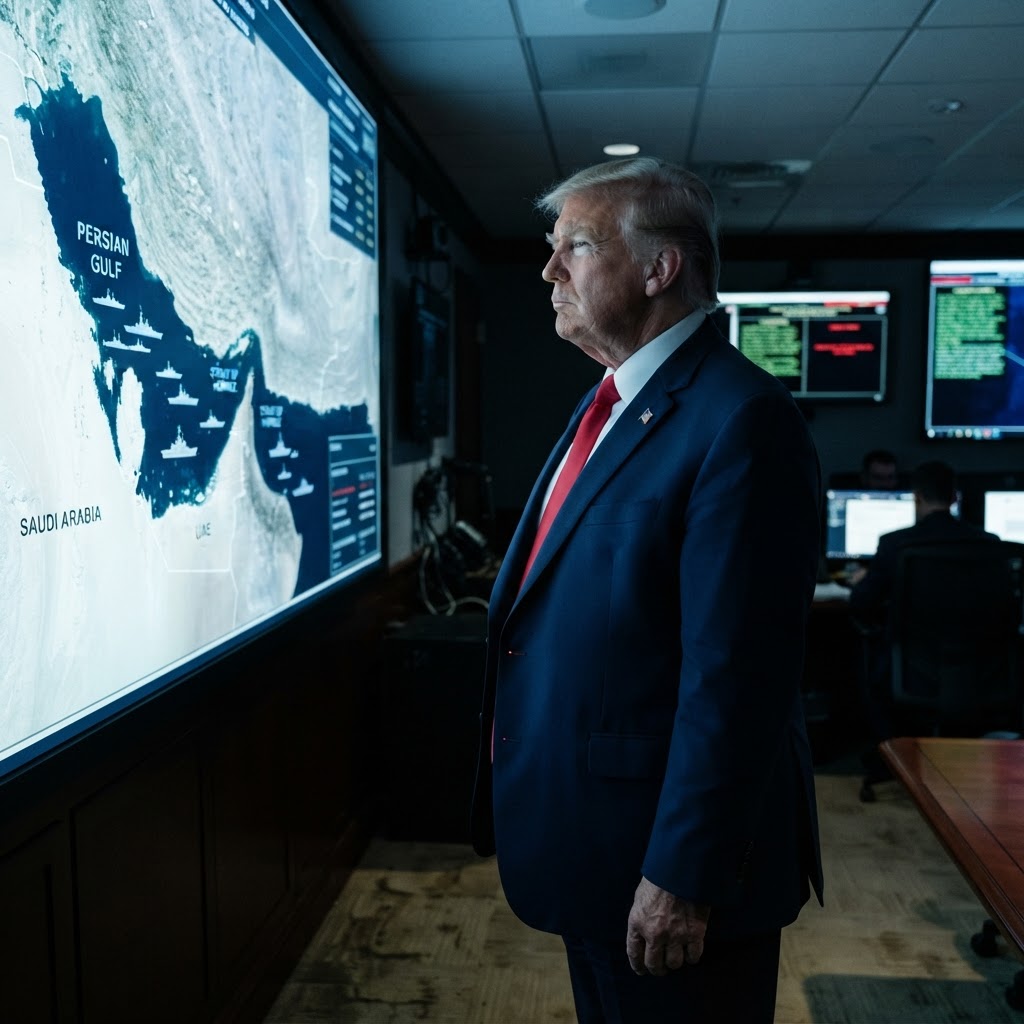
As the American President embarks on a pivotal tour of the Pacific, the geopolitical landscape stands on the precipice of a profound realignment. The upcoming trilateral talks in China mark the most audacious diplomatic gamble of the decade.
DC
David Chen
Foreign Correspondent
Published 17 November 2026·about 14 hours ago 3 min read
Text
TopicsGeopoliticsTrumpChinaRussiaDiplomacyShenzhenASEANForeign Affairs
About the Author
DC
David Chen
Foreign Correspondent
David Chen reports for National Post UK with a focus on rigorous analysis and authoritative journalism — a trusted voice across British public life.
Reader Discussion · 4
Subscribers can join the conversation.
SUBSCRIBE TO COMMENT →M
Margaret Foster17 Nov
I remember the cold war days, and this kind of diplomacy always seemed a distant dream. If it keeps the peace and helps the global economy, then fair play to all involved.
D
David Thorne17 Nov
From a purely analytical standpoint, this is a fascinating shift in traditional alliances. Bringing these three together at one table changes the entire geopolitical landscape, for better or worse.
S
Sarah Jenkins17 Nov
I find the idea of this summit deeply unsettling. Balancing the interests of three such different global powers feels like a recipe for further instability rather than a new order.
A
Arthur Penhaligon17 Nov
It is certainly a bold move, and perhaps necessary to de-escalate the current global tensions. We must wait to see if any concrete agreements emerge or if this is just another diplomatic photo opportunity.