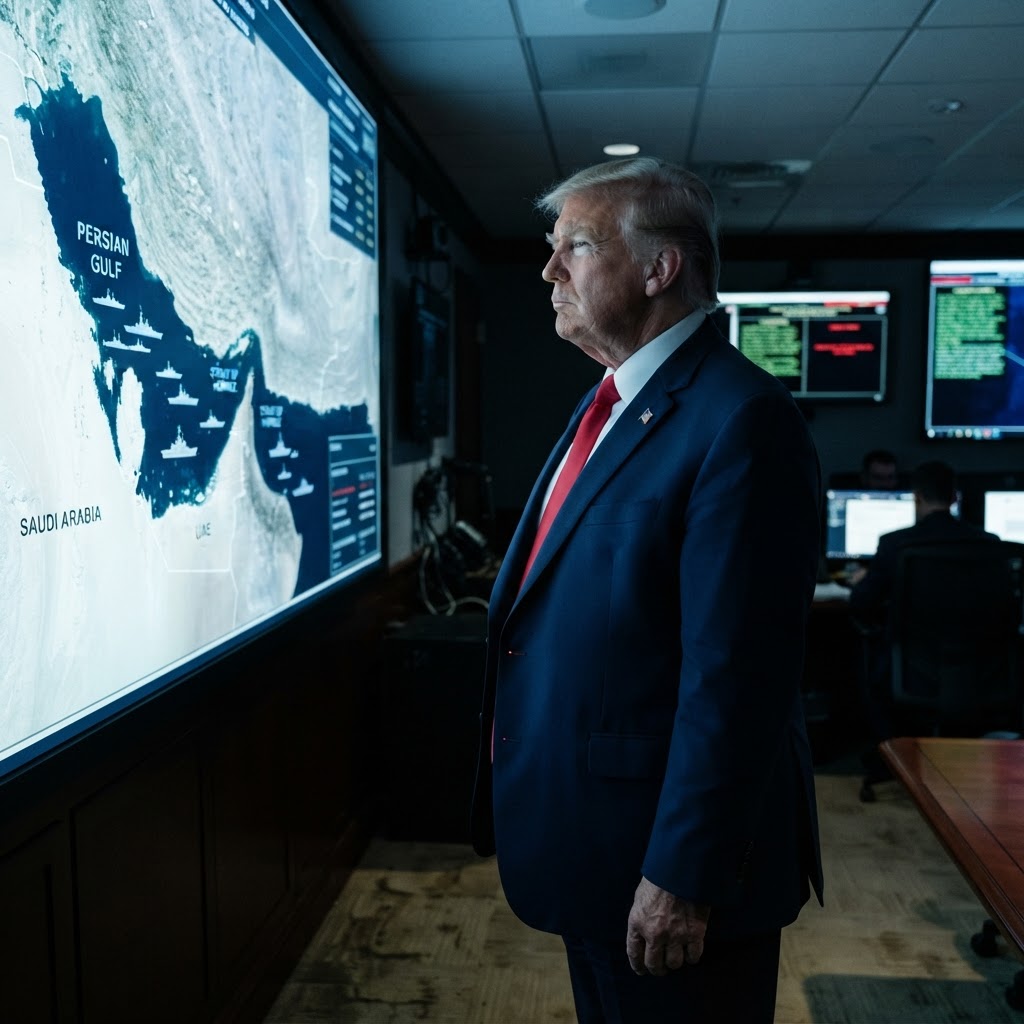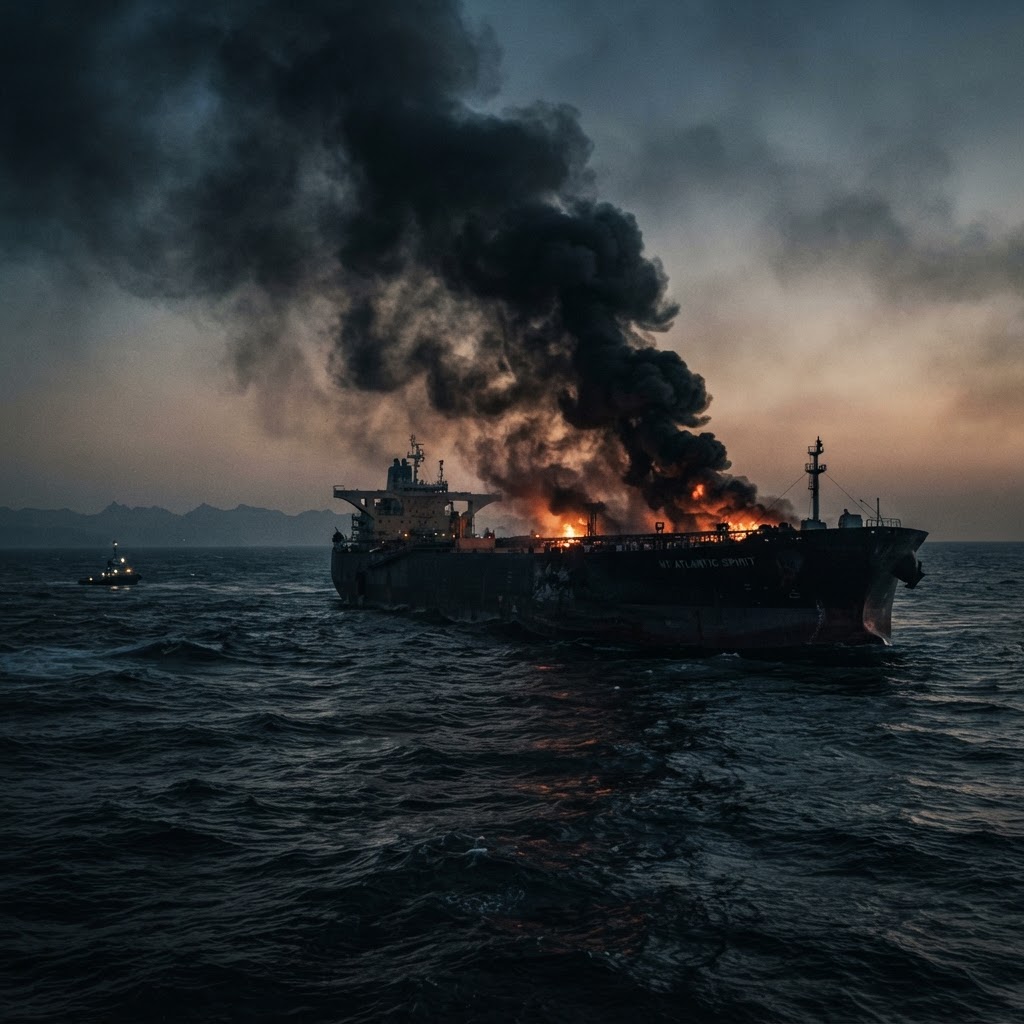
A Perilous Shift in Maritime Tactics The geopolitical equilibrium of the Middle East fractured this week as reports confirmed that five commercial oil tankers have sustained significant hull damage from sea mines in the Strait of Hormuz. The strikes, occurring within a frantic 48-hour window, represent a qualitative shift in the escalating hostilities between the United States and Iran. Unlike previous incidents involving harassment by fast-attack craft or drone surveillance, the deployment of naval mines suggests a calculated effort to jeopardise the passage of energy supplies through one of the world's most vital maritime choke points.
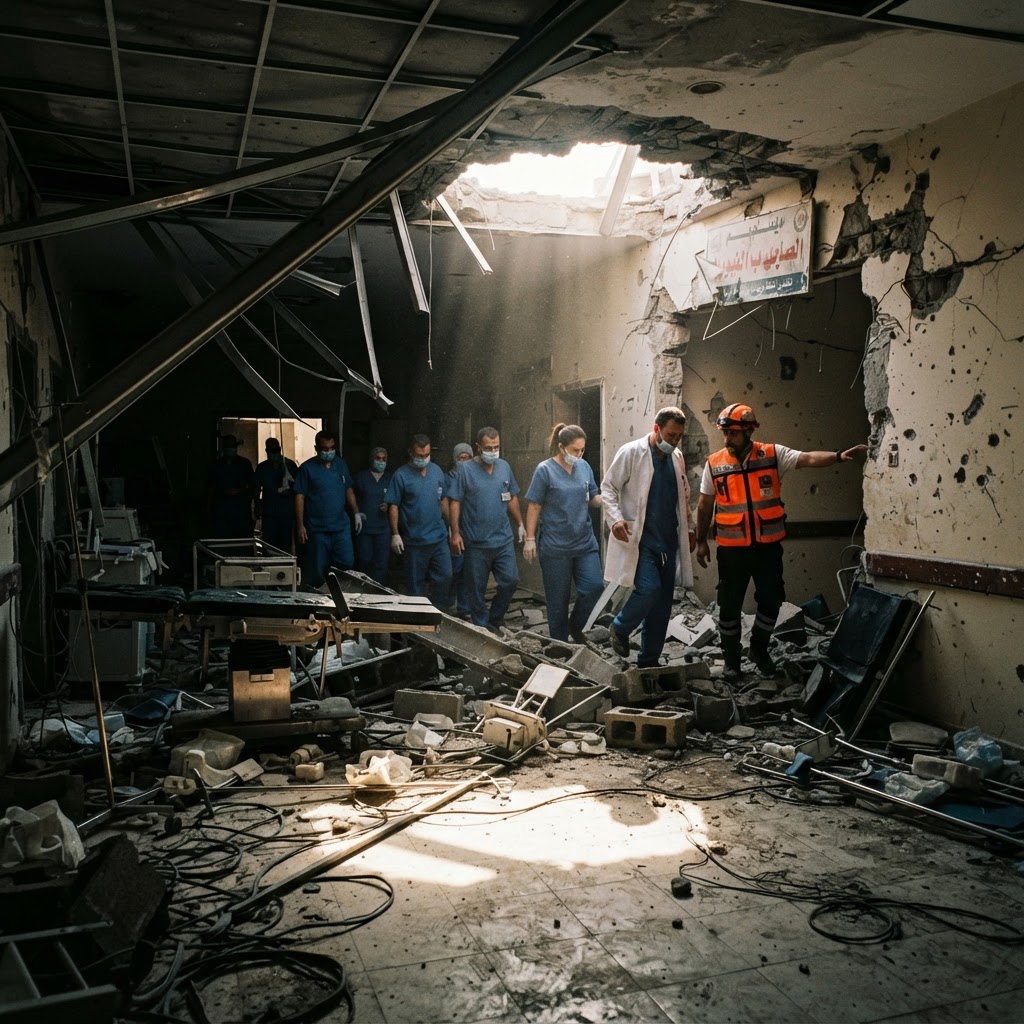
These maritime incursions arrive in the wake of a separate, equally troubling development: a drone strike against a United States military facility in Bahrain. This is the second such provocation in seventy-two hours, indicating a synchronised campaign that appears designed to test the limits of Western resolve in the Gulf. For Whitehall and the Ministry of Defence, the situation is being treated with the utmost gravity, as any prolonged disruption to the Strait could lead to immediate, sharp spikes in global crude prices.
The Shadow of Proxy Conflict The Strait of Hormuz, through which approximately one-fifth of the world’s oil consumption passes daily, has long been considered a tinderbox of regional power projection. Analysts in London suggest that the use of sea mines indicates a desire by actors in the region to project influence without necessarily triggering a full-scale conventional war. Dr Alistair Vance, a senior fellow at the Royal United Services Institute, notes that this represents a 'grey zone' tactic designed to force international intervention while keeping the primary aggressors at a calculated arm’s length. The economic repercussions, however, are far from abstract. As insurance premiums for tankers transiting the region begin to climb, the knock-on effects for the UK economy—already grappling with volatile energy costs—could be significant.
International Response and Diplomatic Stagnation In the wake of these incidents, the international community has struggled to form a cohesive response. While the United States has deployed additional naval assets to the region, the diplomatic channels that once served as a buffer between Tehran and the West remain largely frozen. The silence from the Iranian Ministry of Foreign Affairs regarding the mine incidents has only fuelled speculation that these attacks are a direct consequence of the breakdown in indirect talks concerning regional security architecture. The British government has called for an emergency meeting of the UN Security Council, urging all parties to exercise restraint to avoid a wider conflagration.
The Long-term Strategic Risk The broader implications of these strikes extend far beyond the immediate damage to tanker hulls. They signal a profound shift in the vulnerability of global energy transit routes to non-state or proxy-led disruptions. As the world transitions towards renewable energy, the continued reliance on the Strait of Hormuz for stable petroleum markets remains a strategic liability that policymakers in Westminster have frequently debated. If the security environment in the Gulf continues to deteriorate, the pressure on the UK to bolster its naval presence in the region will inevitably grow, potentially leading to a more assertive, and perhaps costly, British maritime policy.
Ultimately, the events of the past two days have demonstrated that the fragile peace in the Middle East is rapidly eroding. The convergence of drone strikes on land and mine warfare at sea suggests a sophisticated and coordinated strategy intended to reshape the regional balance of power, regardless of the humanitarian or economic cost.