The British pound has faced a period of consolidation as investors prepare for August inflation prints that threaten to exceed forecasts. With the Bank of England set to convene, all eyes are on whether the central bank will signal a more hawkish path to curb rising price pressures.
The Gathering Storm
The British pound has retreated from recent highs in early trading as currency markets adopt a defensive posture ahead of a critical forty-eight hours for the UK economy. Investors are recalibrating their positions, acutely aware that the forthcoming Consumer Price Index (CPI) data for August is likely to serve as the definitive catalyst for the Bank of England's monetary policy deliberations this Thursday. As the Monetary Policy Committee (MPC) prepares to announce its latest decision on interest rates, the prevailing sentiment is one of guarded caution, underscored by a growing recognition that the domestic inflation fight remains far from won.
The Inflationary Trajectory
Market consensus suggests that the August CPI report, due for imminent release, will show a headline inflation rate climbing to 3.1 per cent, marking a notable increase from July’s 2.9 per cent. Should these projections materialise, they would represent a significant breach of the central bank’s medium-term tolerance, intensifying the pressure on Threadneedle Street to demonstrate a decisive hand. This rise in inflationary heat is largely attributed to persistent service-sector wage growth and the cascading effects of energy price volatility, which continue to permeate the broader economy despite previous efforts to dampen demand.
The MPC Dilemma
The current Bank of England base rate sits firmly at 3.75 per cent, a level which many economists now argue is insufficient to constrain the current velocity of price increases. While a majority of market participants expect the committee to maintain the status quo this Thursday—opting for a ‘wait and see’ approach to allow previous adjustments to filter through the real economy—the forward guidance accompanying the decision will be subjected to intense scrutiny. Analysts at major City institutions are increasingly pricing in a terminal rate of 4 per cent before the conclusion of 2026, suggesting that the era of policy tightening may have further to run than previously anticipated.
Market Sentiment and Economic Implications
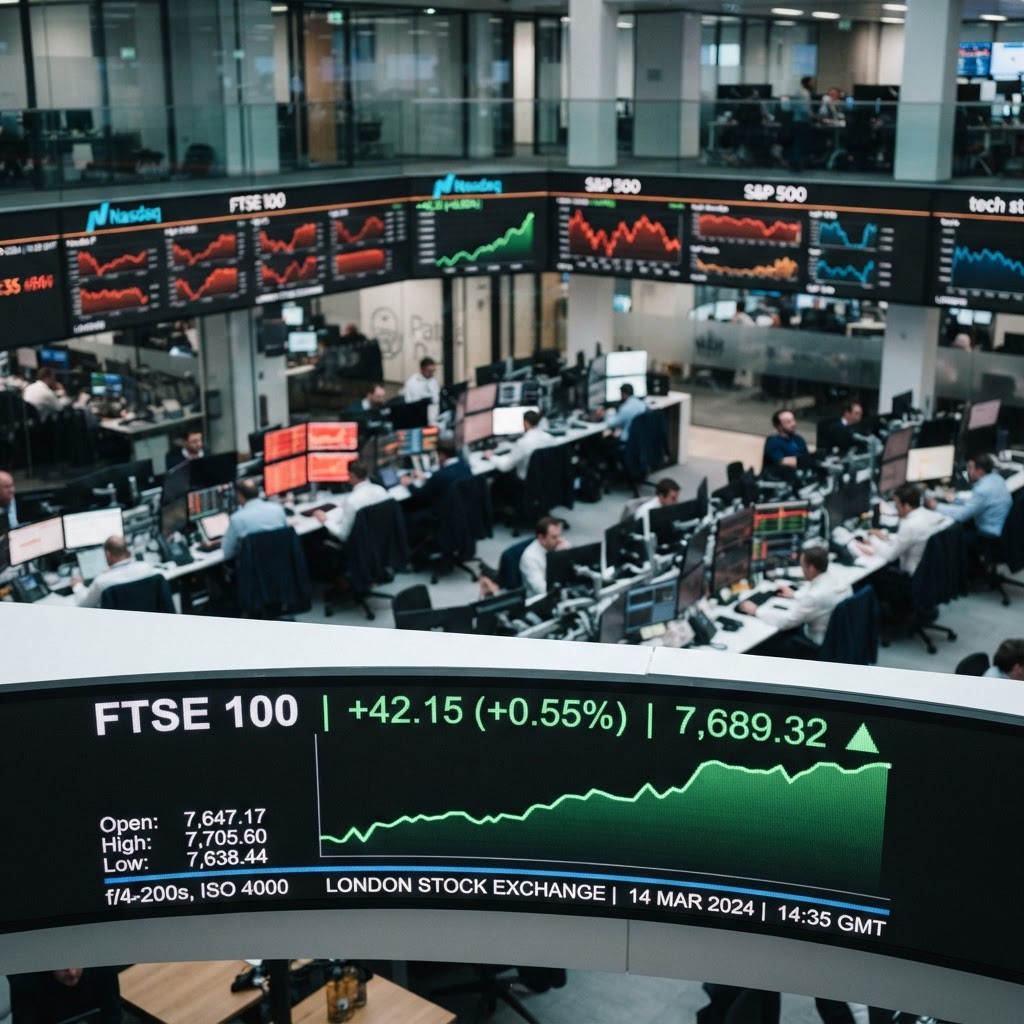
The currency markets have responded in kind, with sterling losing ground against both the dollar and the euro as traders weigh the risks of a protracted period of high interest rates. A weaker pound, while potentially beneficial for export competitiveness, poses a paradoxical risk to the inflation outlook by increasing the cost of imported goods, thereby potentially fueling the very inflation that the Bank is tasked with suppressing. This feedback loop is precisely the scenario that the Bank of England is desperate to avoid. For households and businesses alike, the implications are profound. Higher borrowing costs serve to constrain discretionary spending and capital investment, casting a shadow over the near-term economic growth forecast. As the UK navigates these choppy waters, the dichotomy between maintaining growth and securing price stability remains the defining challenge for policymakers.
Expert Perspectives
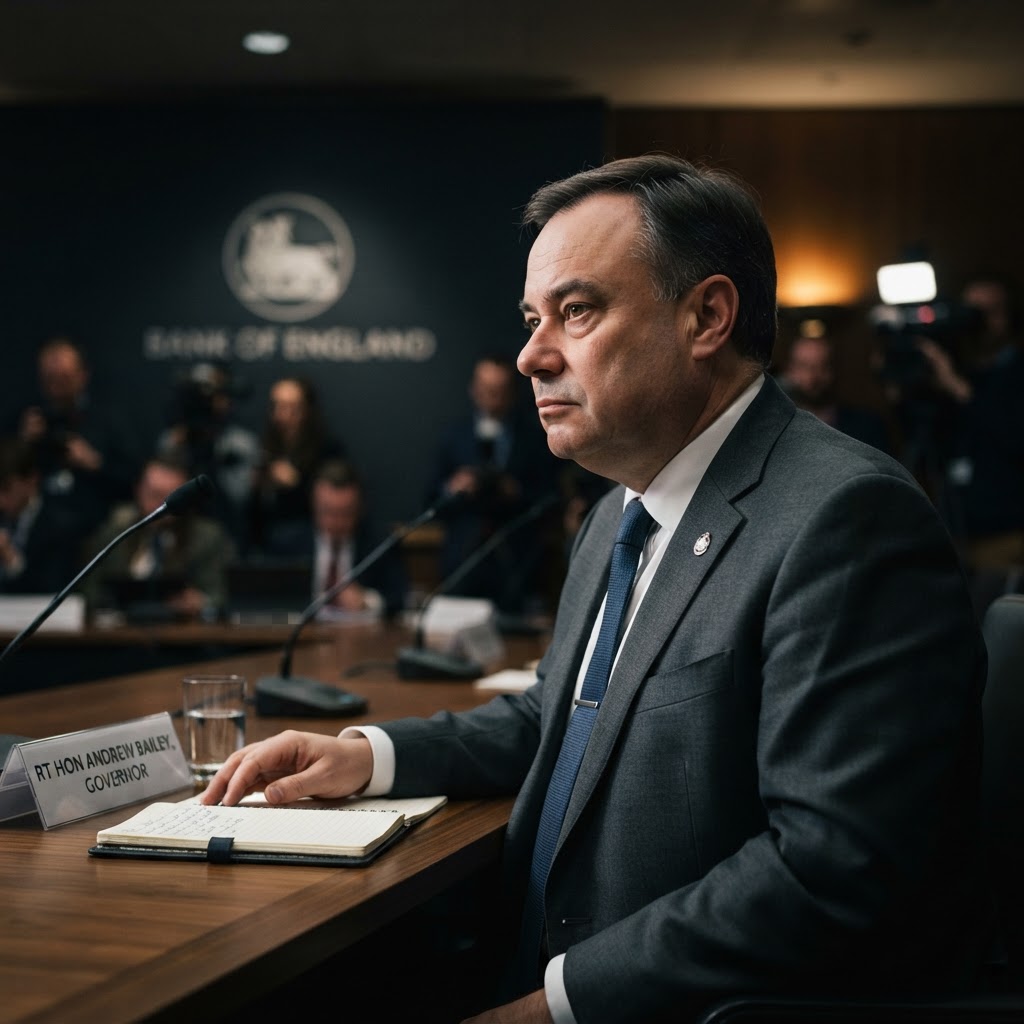
Financial strategists note that the central bank’s communication will be of paramount importance. The challenge for Governor and his colleagues on the MPC is to strike a balance: one that acknowledges the reality of sticky inflation without precipitating an unnecessary contraction in the labour market. Should the committee sound a more hawkish note, we may see a short-term rally in sterling, though this would likely be tempered by broader concerns regarding the UK's long-term productivity and structural growth hurdles. Ultimately, the markets are waiting for a clear signal that the central bank has the conviction to see its mandate through to the end, even if it entails sustained economic discomfort.