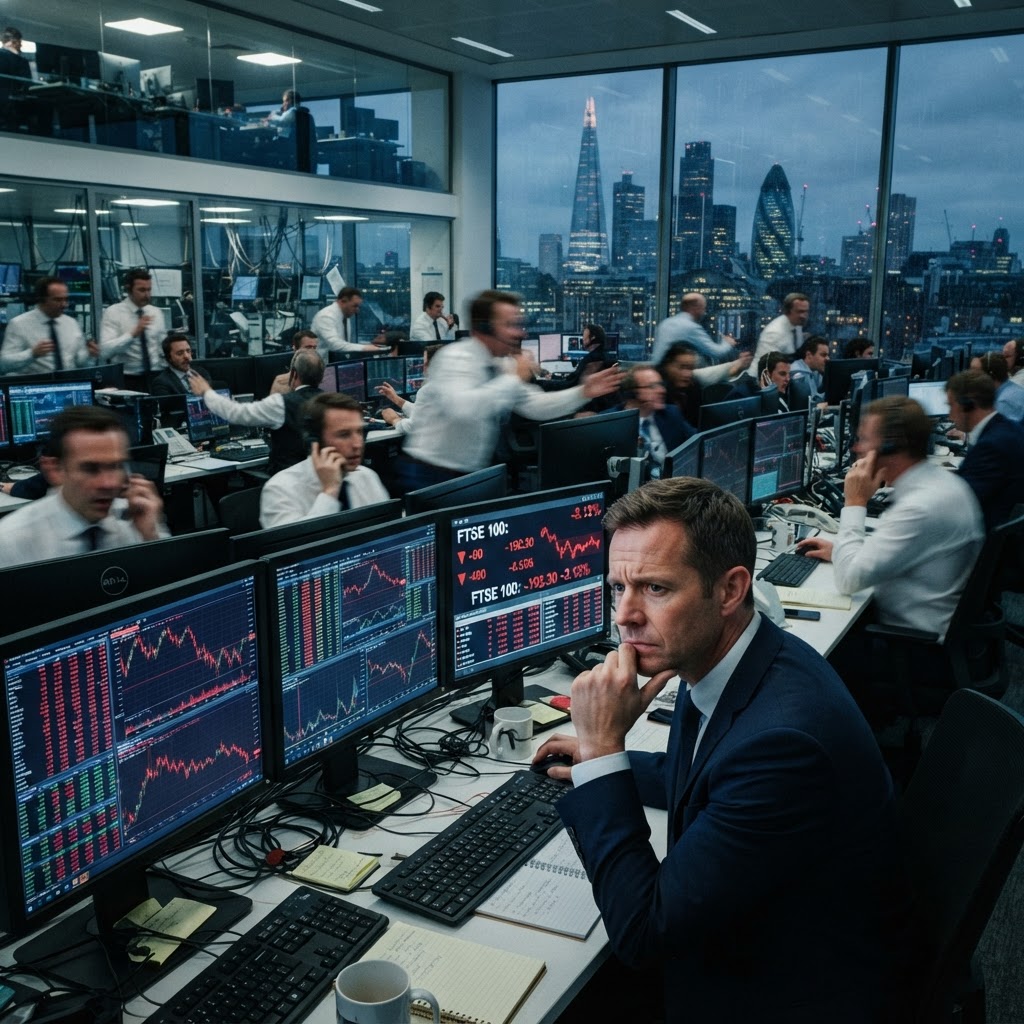
London’s financial landscape is adjusting to a wave of uncertainty this Tuesday, as the city’s flagship FTSE 100 index trades cautiously around the 10,430 mark, reflecting a 0.4% decline from the previous session. This cautious sentiment among investors is largely rooted in the geopolitical tensions that have recently permeated the market following the introduction of a tentative 60-day peace framework between the United States and Iran. With hopes for de-escalation in the Middle East rising, the prospect of reopening critical trade routes such as the Strait of Hormuz introduces both opportunity and anxiety to global markets, particularly in the energy sector.
Bank of England's Stance Amid External Pressures
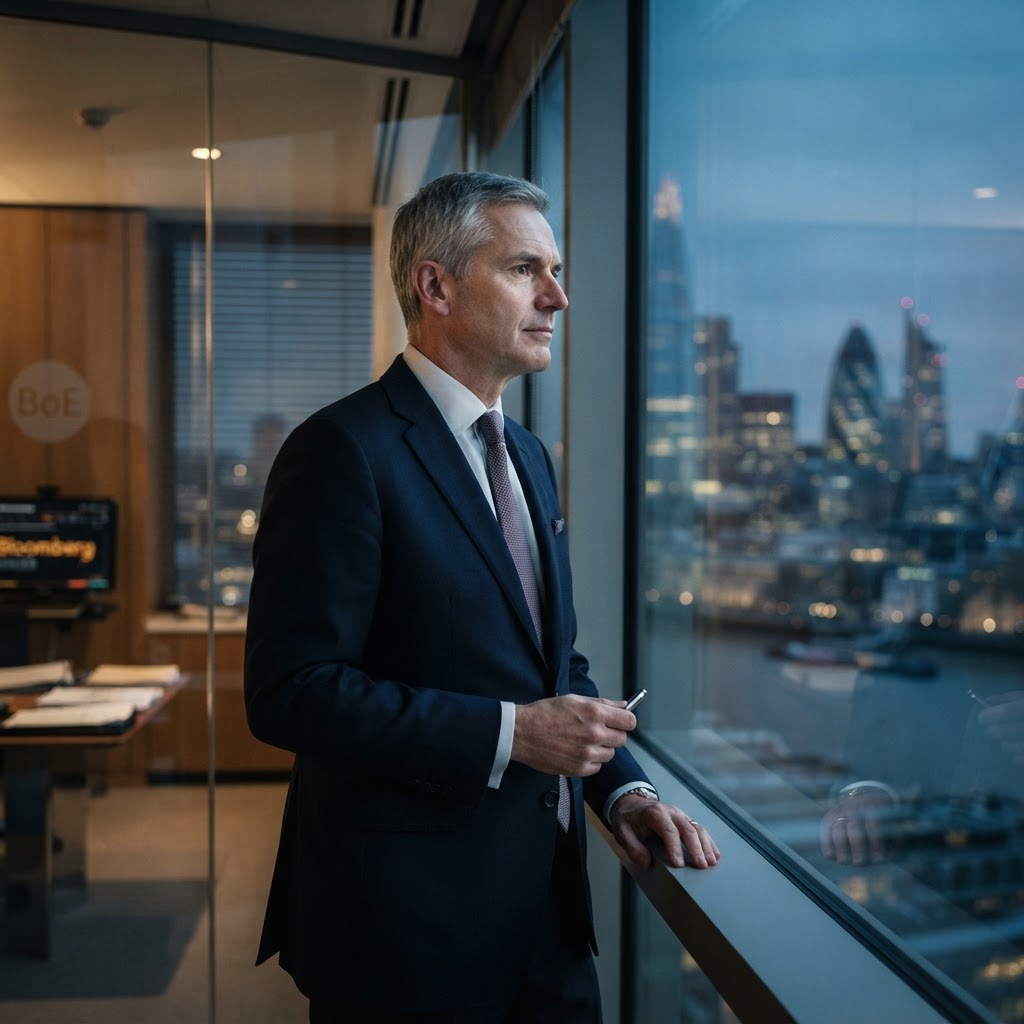
The impending meeting of the Bank of England’s (BoE) Monetary Policy Committee (MPC) on June 18 will be of particular interest to traders as they anticipate the central bank’s decision regarding the base interest rate. There is a prevailing consensus that the BoE will maintain the base rate at 3.75%, yet the recent hawkish leanings reflected in an 8-1 vote from the last meeting indicate a potential pivot in monetary policy amid fluctuating inflation rates. The approaching release of the UK's Consumer Price Index (CPI) data for May 2026, set to be unveiled tomorrow, is seen as the last major economic indicator before the MPC's decision, thus compounding the urgency surrounding the economic narrative.
Analysts are keenly observing how the recent softening of Brent crude prices to approximately $92 per barrel—an anticipated outcome of peaceful negotiations—may alleviate immediate inflationary pressures that have been a thorn in the side of policymakers. “The expectation of de-escalation in the Middle East automatically lightens the concern over energy costs that had been fueling inflation in recent months,” noted Dr. Mariana Holt, an economist at the London School of Economics. “However, the BoE must be cautious not to misinterpret stability for sustainability as the global economic conditions remain precarious.”
“As geopolitical affairs and monetary policy intertwine, the market finds itself in a delicate balancing act.”
The Energy Sector's Reaction
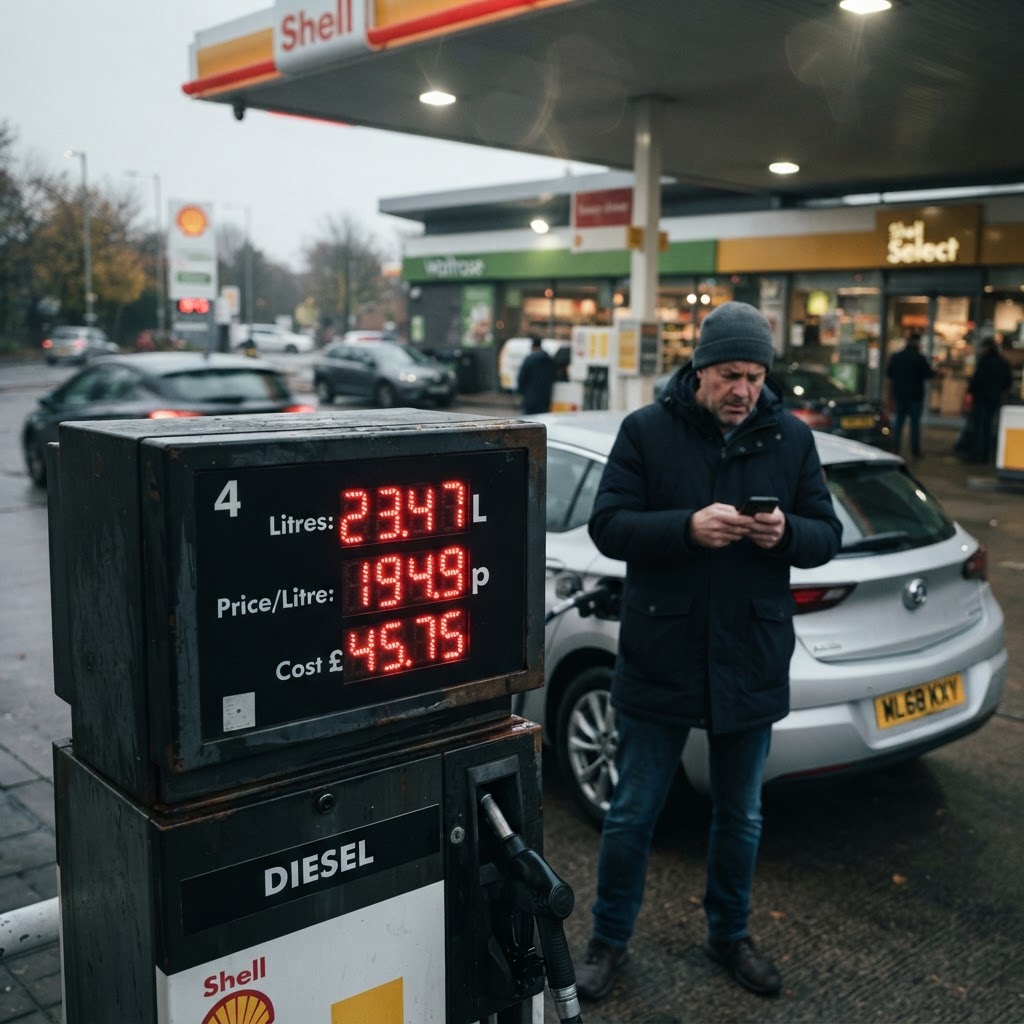
The energy sector’s response has been notable, with titans of industry such as Shell and BP experiencing declines in their stock valuations as investors recalibrate expectations linked to oil prices. Shell shares dipped by 1.5% while BP followed suit with a 1.7% decline. Admittedly, these adjustments underline a broader market philosophy: the abruptness of peace can be as disruptive as conflict itself.
The uncertainty regarding future energy prices continues to swirl in the minds of investors. Amidst these market ripples, the Financial Times reported that analysts are revising their forecasts in light of potential surplus supplies resulting from a freer flow of oil from the Middle East. This expected shift could provide some cushioning against inflation in the UK and other economies heavily reliant on energy imports.
Currency Stability Amid Geopolitical Flux
In recent weeks, the British pound has exhibited resilience, stabilising near the $1.34 mark. This stability serves as a testament to the 'higher for longer' interest rate narrative that is currently en vogue among UK traders. However, the long-term sustainability of the pound’s strength remains subject to scrutiny, especially as the Bank of England faces increasing pressure to maintain its current rate amid evolving economic indicators.
“The pound’s extraordinary tenacity reflects not only the BoE's policy stance but also its current economic fundamentals,” stated Matthew Rivkin, a currency analyst at CityIndex. “While the BeI appears to be equipped to keep interest rates elevated, a premature decision by the Committee could lead to unexpected volatility in the currency markets.”
A Fragile Outlook
As the market contemplates these developments, the overall sentiment amongst investors remains a blend of caution and opportunism. Those in the banking and investment sector are acutely aware that a pivot in the BoE's policy could recalibrate investment strategies across various sectors, dependent on how inflation is anticipated to behave in this new geopolitical context.
The upcoming CPI figures will be pivotal, providing vital insights into the health of consumer spending in the UK and the subsequent inflationary trajectory that policymakers will need to navigate. A significant increase could strengthen the argument for a more hawkish stance from the BoE, while disappointing numbers may result in whispers of a more dovish approach—an outcome many traders are unwilling to gamble on given the current market volatility.
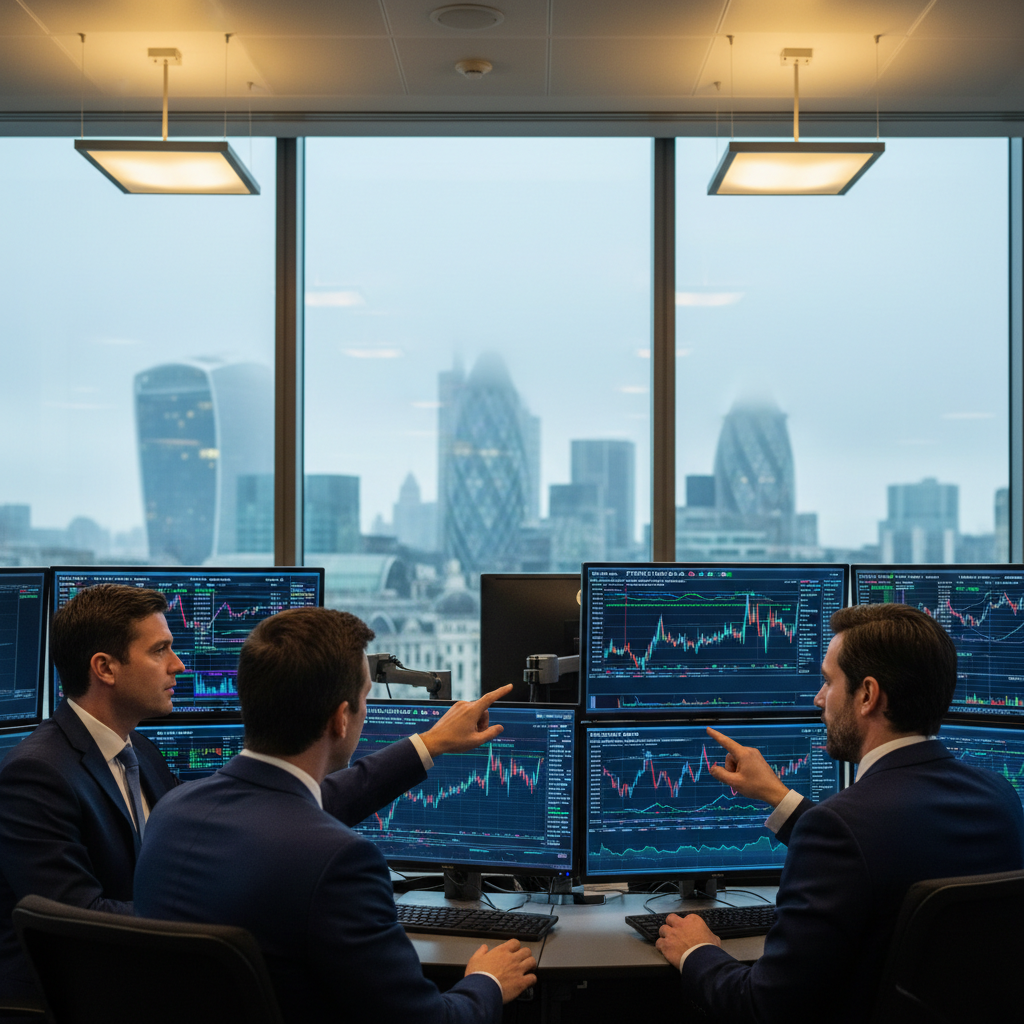
In the face of these uncertainties, one thing remains clear: the intertwining of politics and economics has never been more pronounced as the FTSE 100, along with the wider trading community, comes to terms with a landscape reshaped by a potential thaw in long-standing tensions. As Dr. Holt aptly put it, "It’s a period of careful navigation, where the interplay of geopolitical affairs and monetary policy will dictate the fortunes of many on the trading floor."