Official data released this morning indicates that UK inflation surged to 3.0% in May 2026, surpassing the Bank of England's target amid continuing economic turbulence due to the ongoing US-Iran conflict. The Consumer Prices Index (CPI) rose from 2.8% in April, a shift that underscores the profound impact of rising energy costs on households and industries alike.
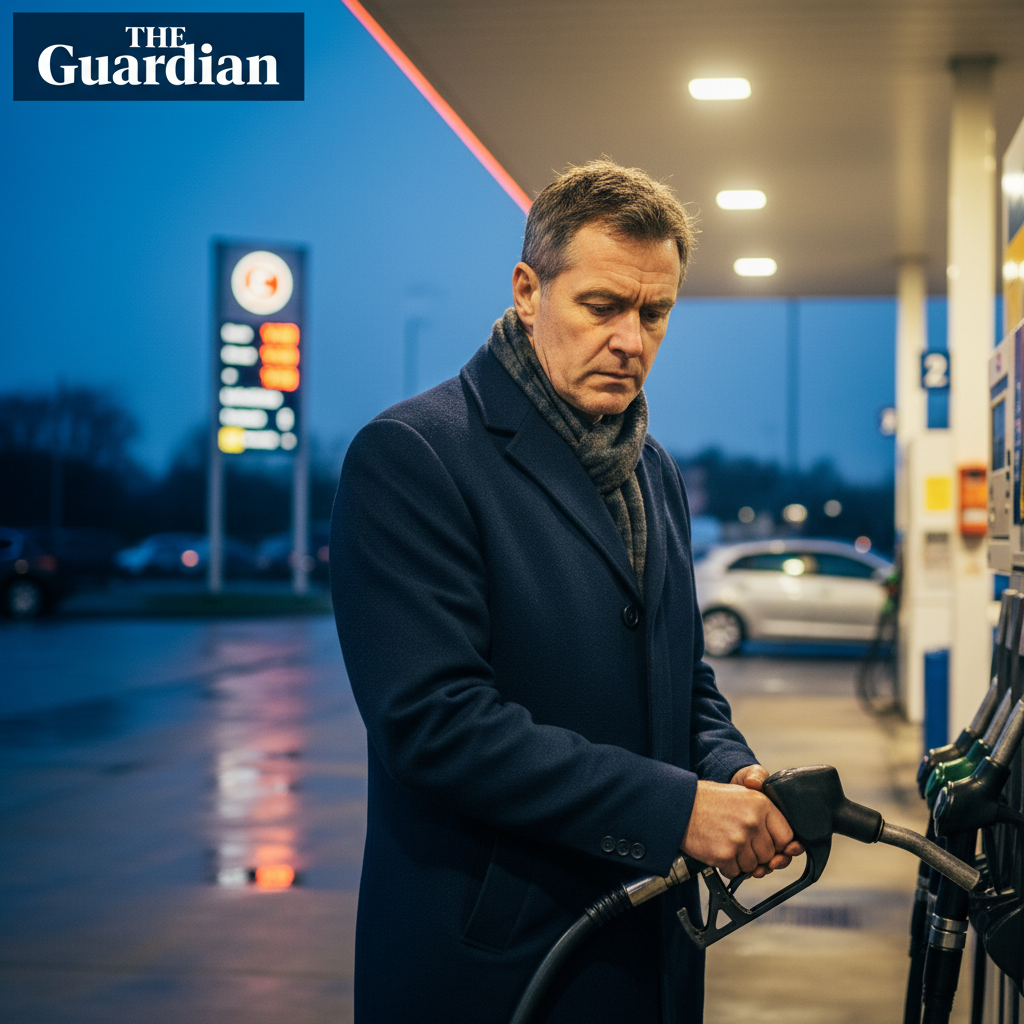
This inflationary spike is primarily attributed to escalating fuel prices, with average unleaded petrol costs reaching 158.52p per litre—the highest level recorded since the onset of recent geopolitical unrest in the Middle East. This escalation has been characterised by both supply constraints and heightened demand in a landscape marked by uncertainty.
Dr. James O’Neill, an economist at Kingston University, highlights the precarious position of the UK economy, stating, "The rapid increase in fuel costs is creating a war-tax effect, burdening households already grappling with stagnant wages and living costs. The interaction between inflation and stagnation raises the spectre of stagflation, placing immense pressure on consumers and policymakers alike." The recent figures certainly heighten these concerns, particularly following a 0.1% contraction in UK GDP in April, intensifying scrutiny on economic performance.
“"The rapid increase in fuel costs is creating a war-tax effect, burdening households already grappling with stagnant wages and living costs."”
Market Responses and Future Outlook
In the wake of the inflation announcement, the FTSE 100 exhibited early volatility but eventually stabilised, closing at 10,494.21 as investors reacted optimistically to news that a peace deal aimed at reopening the crucial Strait of Hormuz—vital for oil transportation—could potentially be signed this Friday. Such developments prompted a two per cent dip in oil prices, providing some respite amid ongoing economic pressures.
However, major British firms reliant on oil, such as BP and Shell, experienced significant fluctuations in their share prices, reflecting the market's sensitivity to geopolitical developments. Market analyst Lucy Carrington from Evercore noted, "The stock market’s response is indicative of a fragile optimism; while the prospect of peace is welcomed, it is the everyday consumer facing rising costs who will feel the brunt of these inflationary pressures long-term."
Despite the potential for stabilisation in the oil markets, fuel prices are expected to remain highly volatile in the coming months. Gordon Paterson, a fuel pricing expert, warned, "Even with a possible ceasefire, the global energy landscape remains fraught with uncertainty, and consumers should brace for continued fluctuations in fuel costs. These prices are not merely numbers, but represent real economic strain on family budgets across the UK."
Stagflation Worries and Economic Policy
The term 'stagflation'—a combination of stagnation and inflation—has been used increasingly in economic discussions, ringing alarm bells among policymakers. With consumer confidence waning and spending falling, calls for decisive action from the Bank of England and the government are mounting. Many economists advocate for targeted fiscal policies to cushion the impact on vulnerable households.
One proposed measure includes increased subsidies for low-income families to alleviate fuel costs, reflecting a growing consensus that immediate intervention is essential. As inflation cuts deeper into disposable income, the need for a balanced approach that does not stifle growth while curbing inflation will remain a challenging tightrope for policymakers to walk. Dr. Amelia Brooks, from the Institute of Economic Affairs, remarked on the situation, asserting that "creating conditions for sustainable growth—without excessive government borrowing—remains the fundamental challenge. We need to foster resilience in our economy, especially as external shocks persist."
In light of these events, many are turning their attention towards the upcoming Bank of England meeting, where further monetary policy strategies will likely be discussed. With inflation now well above the target rate, discussions around interest rate adjustments to counter rising prices are expected to take centre stage.
Conclusion
The escalating cost of living, driven primarily by fuel prices, signals a troubling trajectory for the UK economy. Households are facing increasing pressures, and without significant policy action, the path towards economic recovery may be a long and arduous one. As geopolitical tensions within the region continue, the implications for the UK economy warrant a cautious, strategic approach—something that will demand careful attention from all stakeholders moving forward.
In a landscape marked by uncertainty and volatility, the words of Dr. O'Neill resonate deeply: "The UK economy is at a crossroads; our response in these critical moments will determine whether we navigate through this storm or succumb to its immense wave."