A Double Crisis for Downing Street The delicate architecture of the Western alliance faces its most profound test in a generation following the White House’s sudden decision to impose wide-ranging trade tariffs on British goods. The policy, announced late Thursday evening, appears to have caught Whitehall off guard, particularly as reports indicate that certain European partners have secured conditional exemptions that have been explicitly denied to London. For the British government, the development marks a diplomatic failure of significant proportions, threatening to redefine the Special Relationship in terms of economic hostility rather than strategic alignment.
The timing could scarcely be more perilous. While the Cabinet scrambles to assess the long-term impact on domestic industry, the global economy is simultaneously grappling with a supply-side shock. Global oil prices breached the critical threshold of $100 a barrel this morning, a surge directly linked to the escalating rhetoric surrounding the Bab al-Mandab strait. With Iranian officials issuing credible threats to shutter the vital artery of global maritime trade, the prospect of a sustained energy crisis has migrated from a remote risk to an immediate reality for UK consumers.
The Domestic Burden Economic analysts have been quick to sound the alarm regarding the inflationary pressures inherent in this dual crisis. Having spent much of the past eighteen months navigating the complexities of post-Brexit fiscal adjustments, British households now face the prospect of a compounded cost-of-living squeeze. The tariffs will inevitably translate into increased prices for imported raw materials and finished consumer goods, while the spike in crude prices threatens to filter through to the forecourt and domestic energy bills within weeks.
Shadow ministers have demanded an urgent statement from the Treasury, with calls for the government to outline a strategy for retaliation. However, the scope for manoeuvre is narrow. Retaliatory measures, while politically satisfying to domestic critics, risk triggering a spiral of protectionism that would further diminish the UK’s global trading footprint at a moment when it is already facing significant external pressures.
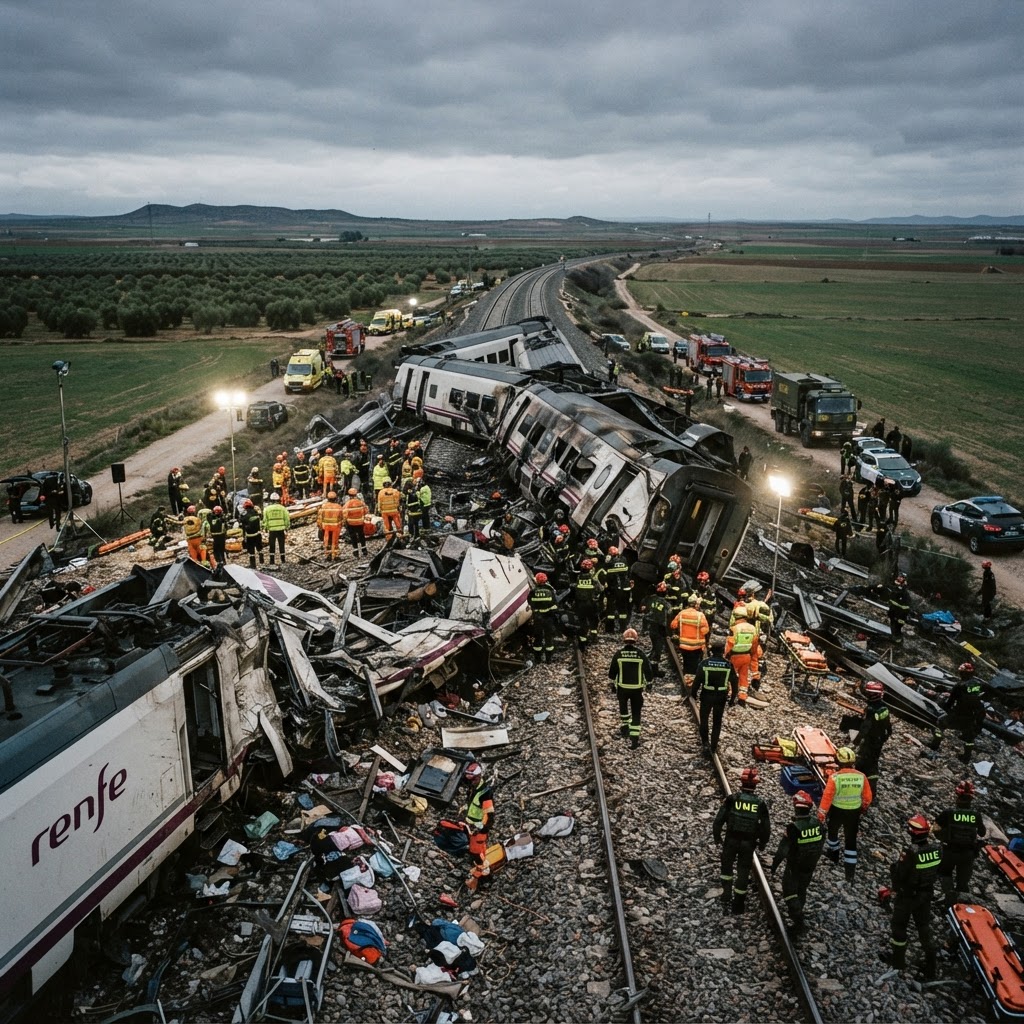
Climate Catastrophe and Resource Scarcity The economic malaise is being exacerbated by a concurrent environmental disaster on the continent. Southern Europe remains in the grip of a historic heatwave that has decimated agricultural output, with initial estimates suggesting damage to crops exceeding €2 billion. Simultaneously, a series of catastrophic wildfires has forced the evacuation of over 200,000 residents, placing a severe strain on the resources of neighbouring nations and disrupting cross-border supply chains. The intersection of these climate-driven failures with the new protectionist trade agenda has created a perfect storm for European markets, with the UK feeling the tremors of this instability acutely.
A Sovereign Response In response to the mounting volatility, the British government has adopted a posture of defiant preparedness. A spokesperson from the Ministry of Defence confirmed that the state stands ready to defend its national interests, not only through economic diplomacy but also via a strengthened military readiness profile. There is a palpable sense in Westminster that the era of stability has ended, replaced by a climate where national security and economic sovereignty are inextricably linked.
As the Foreign Office works through the weekend to establish a dialogue with the administration in Washington, the broader question remains: can the UK maintain its strategic independence while caught between the competing pressures of an unpredictable American partner, a volatile Middle East, and a Europe undergoing its own systemic collapse? For now, the answer rests on the ability of ministers to balance the imperative of international cooperation with the growing requirement for a robust, autonomous national strategy.
“The intersection of climate-driven agricultural failure and protectionist trade agendas has created a perfect storm for global markets, leaving the British economy particularly exposed.”