
Search
Search The National Post UK
25 results for "Cost of Living Mortgage Rates"

Fiscal Tightrope: Treasury Braces as Interest Rate Pressures Mount
As inflation projections eclipse the four percent threshold, the Bank of England’s looming interest rate decisions threaten to stifle growth ahead of the Chancellor’s autumn fiscal statement. With public borrowing spiralling, the government finds its room for manoeuvre increasingly constrained.
Bailey Holds Steady as Inflationary Storm Clouds Gather Over Threadneedle Street
The Monetary Policy Committee has opted to maintain interest rates at 3.75 percent despite a resurgence in inflation. With global energy markets destabilised by Middle Eastern instability, the central bank faces a narrowing window for policy intervention.

The Fractured Mind: How a Decade of Unrest Has Left Britain Facing a Mental Health Crisis
A landmark study from University College London reveals a direct correlation between political turbulence, economic instability, and a measurable decline in national wellbeing. Researchers warn that repeated societal shocks have eroded the psychological resilience of the British public.

LendWell Secures Landmark SPF Private Clients Deal to Overhaul Mortgage Architecture
The partnership marks a significant shift in the British financial landscape as the fintech firm seeks to eliminate systemic friction in home lending. By deploying automated administrative workflows, the deal promises to reclaim thousands of hours for advisers currently bogged down by bureaucratic processing.

Greene signals prolonged monetary tightening as Middle East instability rattles markets
External Bank of England member warns that persistent geopolitical volatility may necessitate further rate increases. The outlook for British households and businesses remains clouded by risks to energy supply and global trade routes.
Threadneedle Street Shifts Gear as Growth Projections Stagnate
The Monetary Policy Committee has delivered a decisive interest rate reduction while warning of a darkening fiscal horizon. With growth expectations halved and inflationary pressures mounting, the Bank faces an increasingly difficult balancing act.

Threadneedle Street Holds Steady as Inflationary Storm Clouds Gather
The Monetary Policy Committee has opted to leave the base rate at 3.75% for the sixth consecutive month. Governor Andrew Bailey warns that the path to price stability remains treacherous as energy costs continue to exert upward pressure on the British economy.
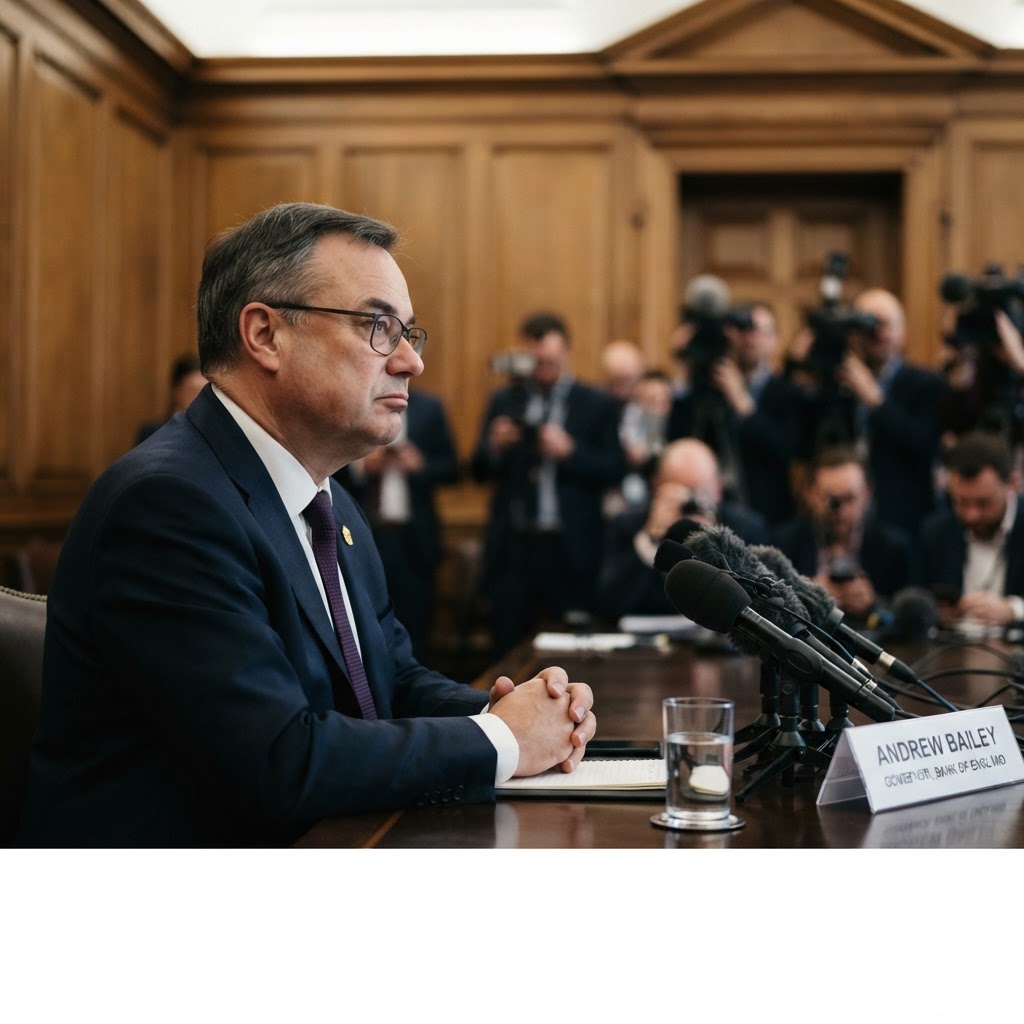
Bank of England Holds Steady at 3.75% as Geopolitical Tensions Cloud Economic Outlook
The Monetary Policy Committee has opted for caution, maintaining the Bank Rate at 3.75 per cent while signalling a bold new strategy to unwind balance sheet holdings. Policymakers have warned that escalating international conflict remains the primary threat to domestic price stability.

Cost-of-Living Squeeze Tightens as UK Inflation Climbs to 3.1 Per Cent
The latest economic data reveals a hardening inflationary trend across the British Isles. Driven by volatile energy markets and the geopolitical fallout from the Iranian conflict, households and businesses alike face a period of sustained fiscal instability.
Threadneedle Street Faces a Monetary Tightrope as External Shocks Threaten Price Stability
As the Monetary Policy Committee prepares for its September meeting, shifting geopolitical sands and persistent domestic inflation data are testing the resolve of the Bank of England. Marcus Stone examines the intensifying debate over whether the current pause in rate adjustments can be sustained into the winter months.

Threadneedle Street Holds Steady as Geopolitical Shadows Lengthen
The Monetary Policy Committee has maintained interest rates at 3.75 per cent, yet a clear shift in rhetoric suggests a tightening cycle could be imminent. Analysts warn that the deepening crisis in the Middle East poses a significant threat to the Bank’s inflation mandate.

Britain’s Property Market Stalls as Borrowing Costs Send Mortgage Approvals to Two-Year Low
The UK property sector faces a formidable headwind as mortgage approvals hit their lowest point since the dawn of 2024. This contraction, coupled with a growing crisis among small businesses, signals an increasingly precarious climate for the national economy.

Threadneedle Street Opts for Caution as Geopolitical Winds Buffet UK Economy
The Bank of England has extended its policy of monetary restraint, keeping interest rates at 3.75% for the fifth consecutive meeting. Governor Andrew Bailey warns that despite a cooling in headline inflation, the shadow of energy market volatility looms large over the autumn outlook.

Blue-Chip Blues: Market Volatility Mounts as UK Inflation Breaches 2.9 Per Cent
The FTSE 100 has laboured under a dual burden of rising consumer prices and a brutal profit warning from JD Sports. With oil prices hovering at multi-year highs, the spectre of further Bank of England intervention looms large over London trading.

Britain Faces Inflationary Squeeze as Conflict in Middle East Triggers Energy Price Spike
The Consumer Prices Index has climbed to 2.9% in a stark reminder of the UK's exposure to geopolitical volatility. As the Bank of England signals a possible return to rate hikes, ministers weigh emergency measures to insulate the food supply chain.
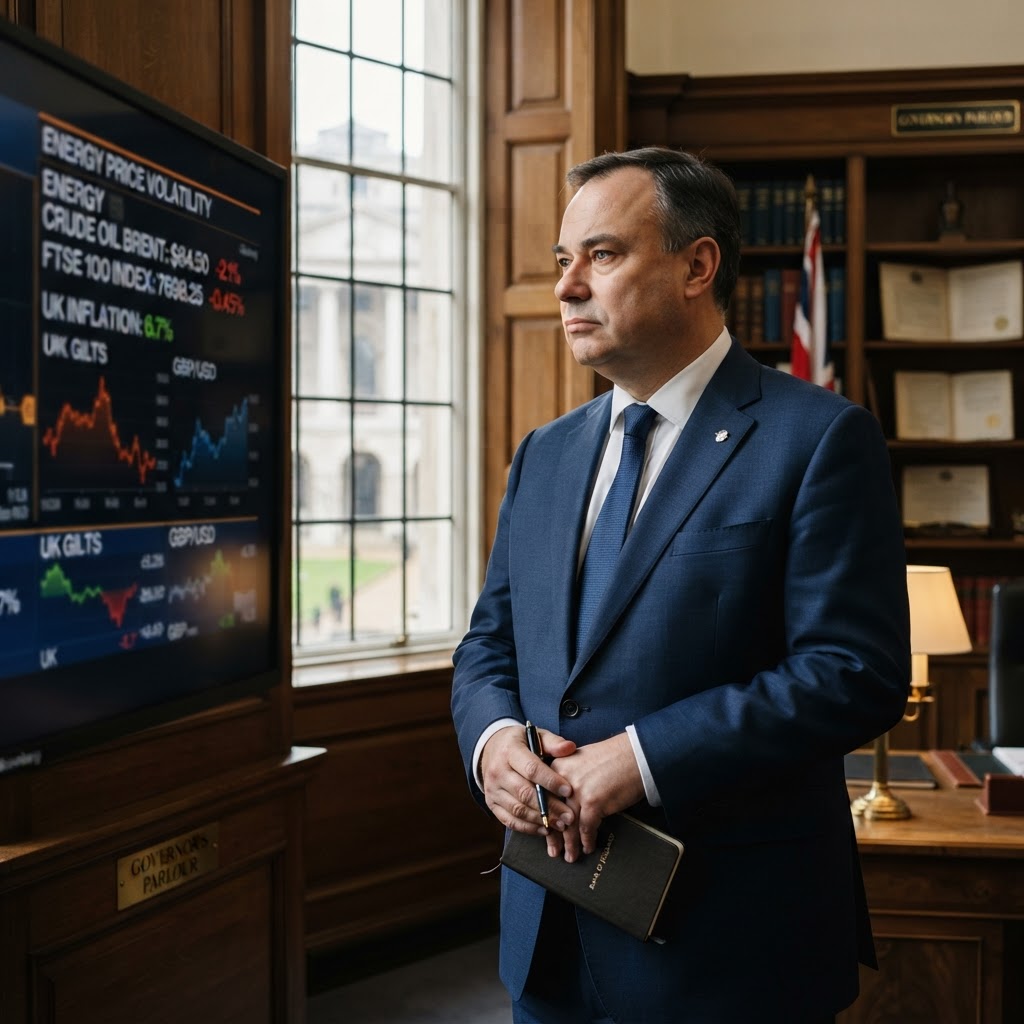
Threadneedle Street Opts for Caution as Geopolitical Risks Cloud Economic Outlook
The Monetary Policy Committee has opted to maintain interest rates at 3.75 per cent, citing persistent energy price volatility in the Middle East. Despite a jubilant rally on the London Stock Exchange, the Bank of England maintains a vigilant stance against future inflationary pressures.
Threadneedle Street Holds Steady as Geopolitical Shadows Cloud Economic Outlook
The Monetary Policy Committee has opted to keep the base rate at 3.75 per cent despite mounting energy price volatility. Governor Andrew Bailey cautioned that rising international instability risks undoing recent progress on domestic inflation.

Threadneedle Street Braces for Inflationary Headwinds as Rates Hold Steady
As CPI figures retreat to a thirteen-month low, the Bank of England is expected to maintain its hawkish stance this Thursday. Policymakers remain cautious, however, as energy price caps threaten to reignite cost-of-living pressures later this year.

High Street Retreat: April Sales Slump Casts Long Shadow Over Election Campaign
Retail volumes have plummeted to levels unseen since the pandemic as a relentless deluge of rain and persistent inflationary pressure choke consumer confidence. With the electorate heading to the polls this July, the fragility of the economic recovery has become the defining battleground for the major parties.
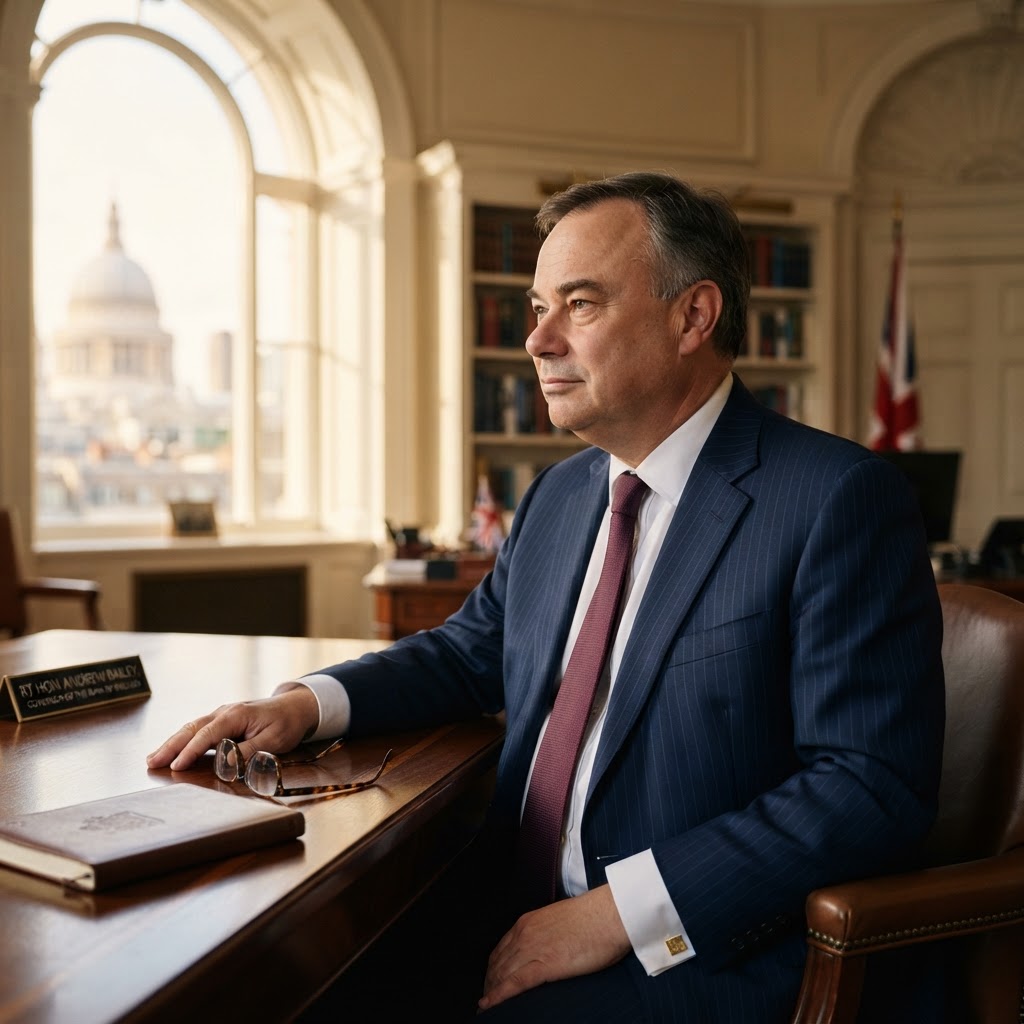
Bank of England Poised for Rate Cut as Inflation Holds Steady at Target Level
After three months of stable inflation at 2%, the Monetary Policy Committee indicates a strategic shift in policy could be imminent. This decision opens the door for potential boosts to consumer spending and the housing market, essential for economic recovery.
Premium Access
Unlimited access to all our journalism
Subscribe to read every article, including subscriber-only investigations.
Subscribe from £9.99/mo