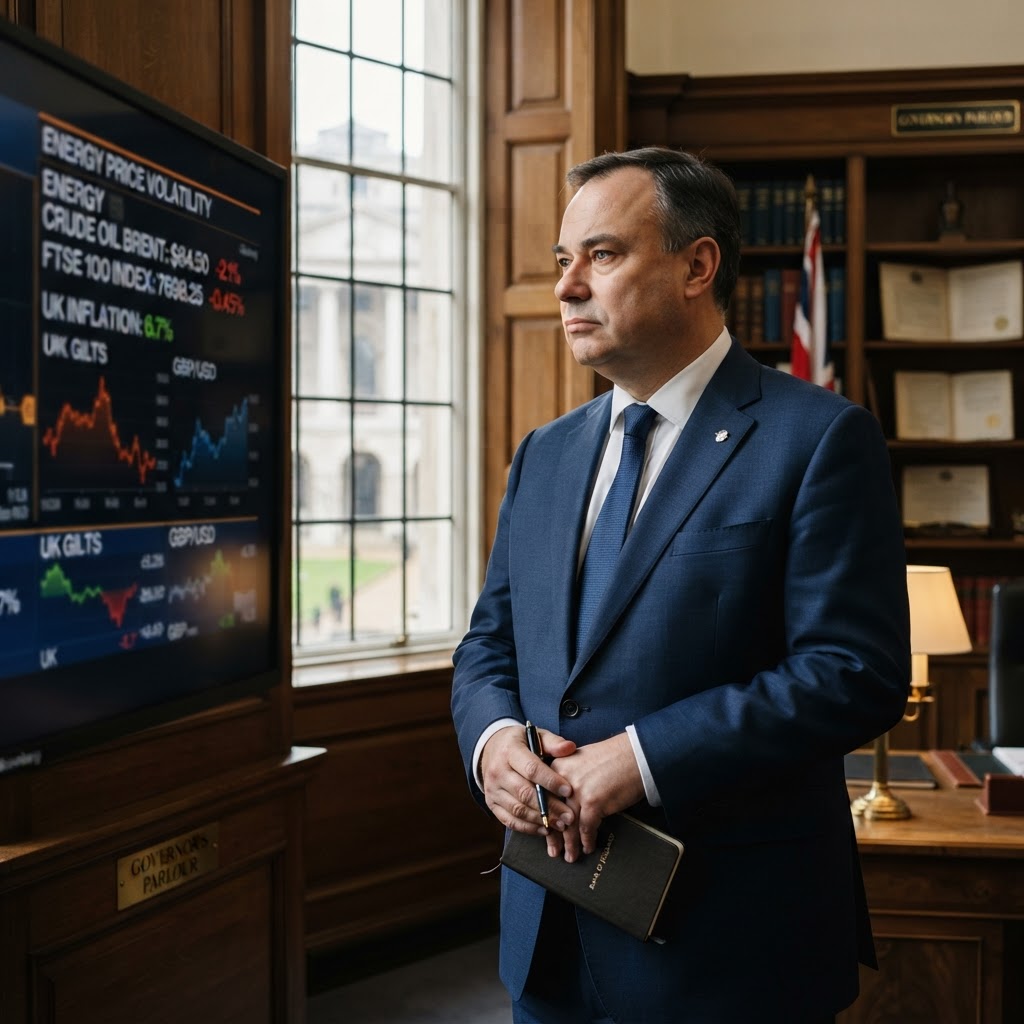
The Monetary Policy Committee has opted to maintain interest rates at 3.75 per cent, citing persistent energy price volatility in the Middle East. Despite a jubilant rally on the London Stock Exchange, the Bank of England maintains a vigilant stance against future inflationary pressures.
The Policy Stasis
In a decision that reflects the precarious nature of the current economic climate, the Bank of England’s Monetary Policy Committee (MPC) opted on July 30 to hold the base interest rate at 3.75 per cent. The move, while widely anticipated by market participants, signals a deliberate recalibration of the Bank’s trajectory. Despite clear evidence that the domestic inflationary surge is finally beginning to abate, Governor Andrew Bailey has refused to declare a definitive victory, opting instead for a posture of strategic patience.
The Shadow of Geopolitical Instability
Addressing the press following the announcement, Governor Bailey was explicit in his reasoning: the primary threat to the Bank’s two per cent inflation mandate no longer stems solely from domestic wage pressures, but from the volatile geopolitical landscape in the Middle East. The escalating conflict in the region has created an acute sensitivity in global energy markets. For the MPC, the risk of a sharp, transitory spike in energy costs remains too high to justify an immediate easing of monetary policy. This ‘active hold’ strategy is designed to provide the Committee with the necessary latitude to assess the longevity of these external shocks before committing to a definitive rate-cutting cycle.
Markets and the Record High
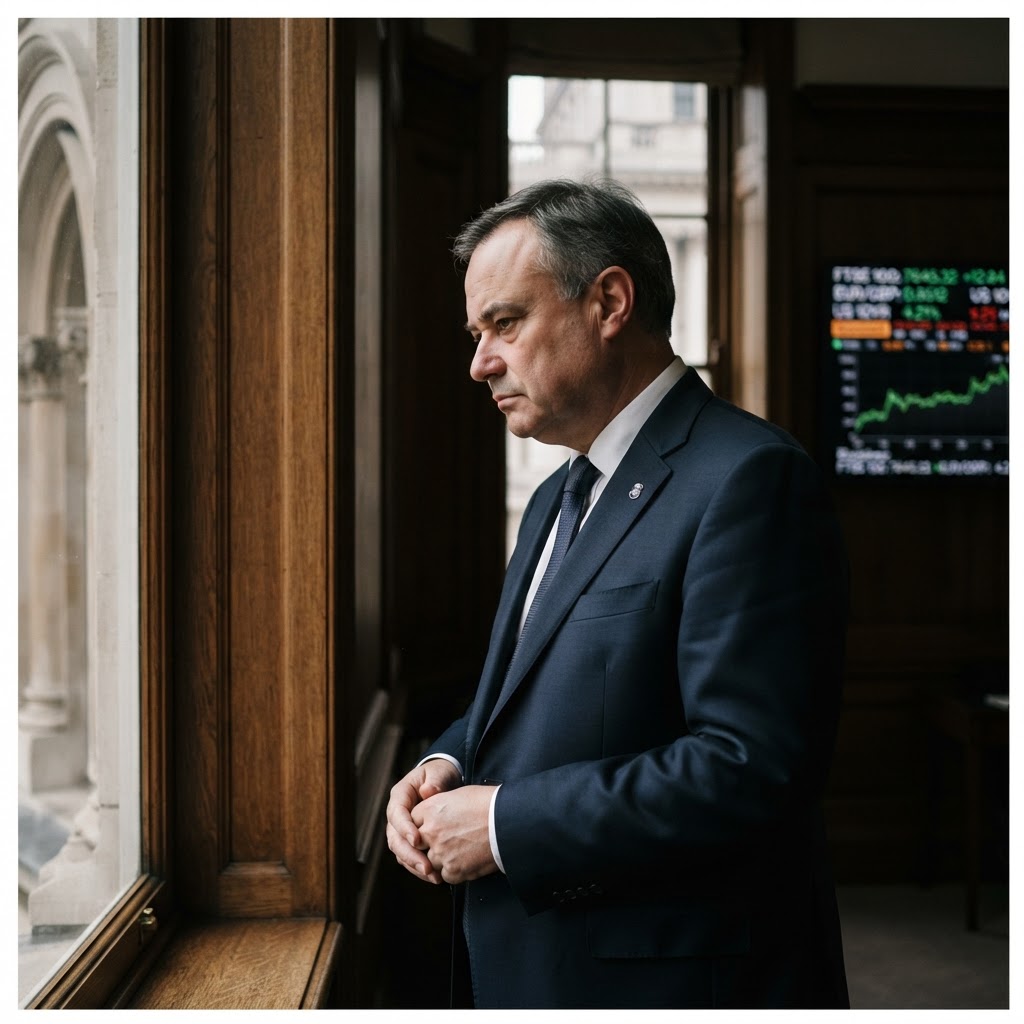
The decision reverberated through the City of London with immediate intensity. Shortly after the announcement, the FTSE 100 surged to an unprecedented intra-day high of 10,979.60, as investors initially interpreted the Bank's dovish signals as a harbinger of cheaper borrowing costs on the horizon. However, as the session progressed, the initial euphoria gave way to a sober assessment of the macroeconomic headwinds. The index eventually shed its earlier gains, closing down 11.14 points at 10,897.27. This volatility underscores the market’s internal struggle: balancing the optimism of a slowing inflation rate against the stark reality of sustained, elevated interest rates.
The Yield Curve Response
The reaction in the gilt market provided further evidence of a shift in investor sentiment. The yield on 10-year gilts, a key benchmark for government borrowing and mortgage rates, softened to 4.99 per cent. Analysts at leading investment houses interpreted the meeting minutes as subtly more dovish than the previous rhetoric emanating from Threadneedle Street. Market expectations for a September rate hike, which stood at over 50 per cent prior to the meeting, have now retreated to 40 per cent. This suggests that while the Bank remains cautious, the consensus is building towards the conclusion that the current rate plateau represents the peak of this tightening cycle.
The Long Road Ahead
As Britain navigates this complex intersection of record-breaking equity market performance and cautious central bank governance, the underlying concern remains the transmission mechanism of these rates into the broader economy. With households and businesses still reeling from the lagged effects of previous hikes, the pressure on the MPC to stimulate the economy is mounting. Yet, Bailey remains steadfast. His focus on the potential for a secondary inflationary impulse linked to energy costs suggests that the Bank is unwilling to repeat the errors of the past. As we move towards the autumn, the interplay between diplomatic developments in the Middle East and the domestic cost-of-living metrics will determine whether the Bank remains on the sidelines or finally initiates the long-awaited pivot towards monetary loosening.