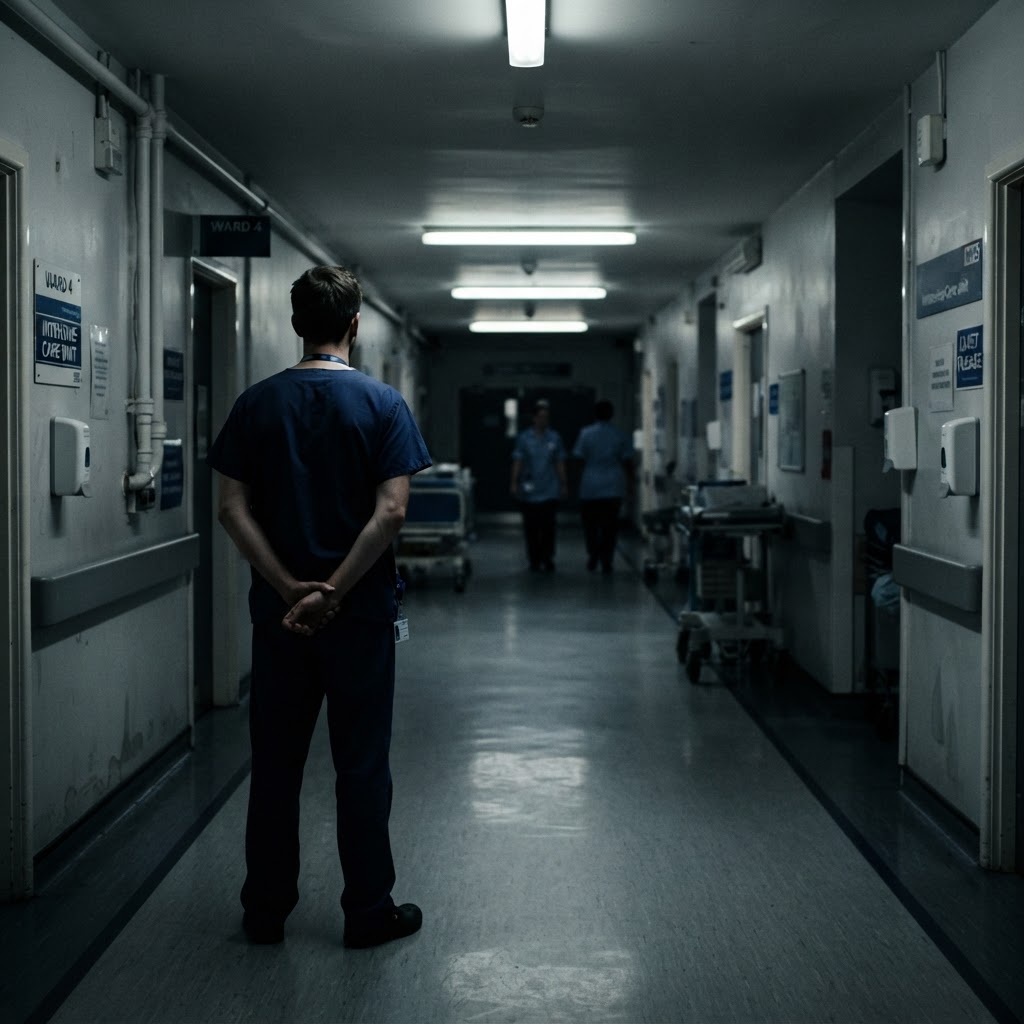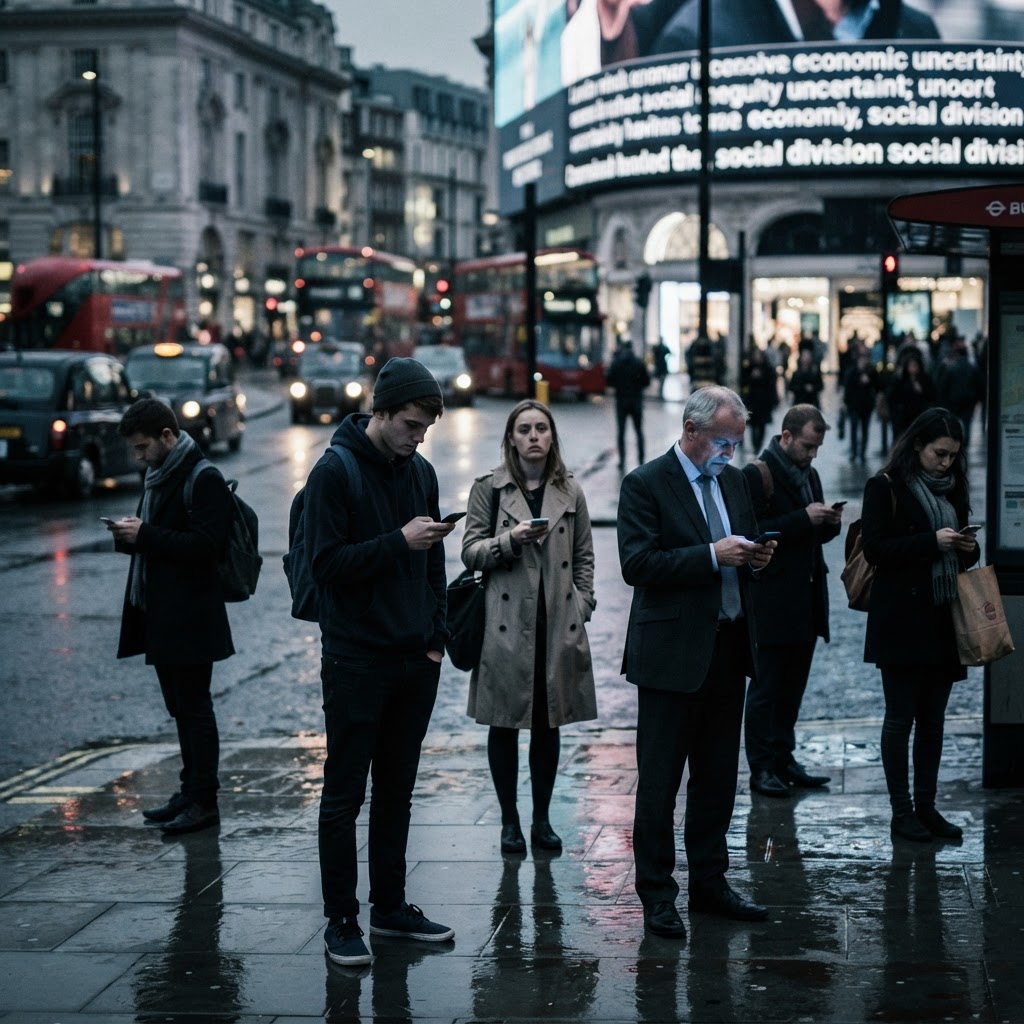
A Nation in Flux For the better part of a decade, the United Kingdom has existed in a near-constant state of flux. From the deep societal fissures opened by the 2016 Brexit referendum to the isolating constraints of the Covid-19 pandemic, the British public has been subjected to a relentless succession of historical ruptures. Now, a comprehensive study conducted by University College London (UCL) provides empirical backing for what many citizens have long felt: the nation’s mental health is in a state of sustained decline directly linked to these external, uncontrollable events.
Published in BMJ Mental Health, the research represents one of the most exhaustive investigations into the nation’s psychological landscape to date. By synthesising data from 87,857 participants in the 'Understanding Society: The UK Household Longitudinal Study', the team has mapped a trajectory of distress that mirrors the headlines of the last ten years.
The Anatomy of Distress The study, funded by the Wellcome trust, identifies four critical flashpoints that triggered acute spikes in psychological distress: the 2016 EU referendum, the onset of national lockdowns, the invasion of Ukraine in 2022, and the subsequent economic volatility precipitated by that year's 'mini-budget'. While it is perhaps intuitive that such events would cause anxiety, the scale of the decline is significant. The data suggests that these events were not merely isolated moments of worry but catalysts for a structural deterioration in mental health across the country.
Dr Sarah Jenkins, a public health sociologist who reviewed the findings, notes that the cumulative effect is what distinguishes this period from previous eras. 'We are witnessing a phenomenon where the baseline of psychological resilience has been lowered,' she explains. 'It is no longer about individual trauma; it is about a collective, societal exhaustion. When the pillars of economic and political certainty are repeatedly shaken, the individual's ability to maintain mental equilibrium is fundamentally compromised.'
Widening Inequalities Perhaps most alarming is the finding that these waves of distress have been anything but democratic. The research highlights that the mental health burden was disproportionately shouldered by those already occupying the lower rungs of the socio-economic ladder. Existing inequalities, whether rooted in housing insecurity, limited access to mental health services, or employment precarity, were exacerbated by the very events that triggered the broader societal decline.
This suggests that while the political upheaval of the last decade may have affected all corners of the United Kingdom, it acted as a multiplier of misfortune for those already vulnerable. The pandemic, for instance, saw the mental health gap between high-earners and those in poverty widen significantly, a trend that the study suggests has yet to fully reverse despite the return to relative normalcy.
“We are witnessing a phenomenon where the baseline of psychological resilience has been lowered; it is no longer about individual trauma; it is about a collective, societal exhaustion.”
The Policy Conundrum The inclusion of the 2022 'mini-budget' in the list of psychological stressors is particularly noteworthy. It underscores that domestic policy decisions carry a profound weight that is often overlooked in traditional economic analysis. The anxiety caused by fluctuating mortgage rates and the cost-of-living crisis served as a reminder that the decisions made in Westminster are felt just as keenly in the kitchen as they are in the boardroom.
The study serves as a poignant reminder that mental health is a public health issue that cannot be divorced from political and economic reality. As the government continues to grapple with the reform of the National Health Service and the broader management of the economy, this data provides a vital, if uncomfortable, reminder: policies possess a psychological legacy. Without a concerted effort to address the structural sources of this collective distress, the nation faces a prolonged period of psychological fragility that may take a generation to heal.