The Proteomic Revolution in Clinical Diagnostics As the burden of neurodegenerative disease places an unprecedented strain on the National Health Service, a new Anglo-American collaboration has launched a sophisticated initiative to decode the earliest biological warning signs of cognitive decline. By tapping into the vast repository of the UK Biobank, researchers from Alamar Biosciences and Nightingale Health have commenced a vanguard study analysing 80,000 human samples, aiming to identify the elusive protein signatures that precede the onset of Alzheimer's and Parkinson's disease.
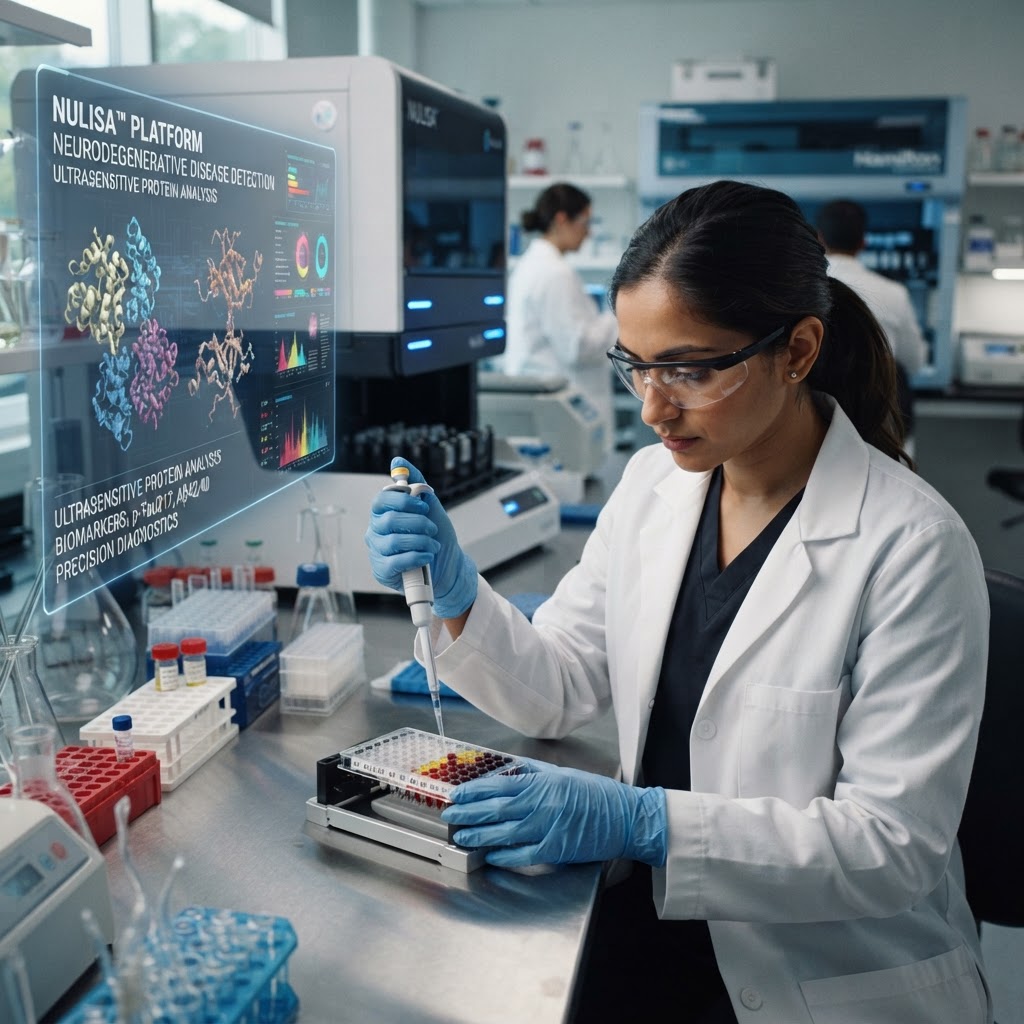
For decades, medical science has struggled with the 'needle in a haystack' problem regarding neurological biomarkers. The proteins that signal the onset of brain health decline are often present in the blood at concentrations too low for conventional diagnostics to detect until significant tissue damage has already occurred. This project represents a shift toward ultra-sensitive precision proteomics, a field that measures the entire protein landscape of a patient's blood to create a detailed molecular profile.
Addressing the Growing Neurological Crisis The urgency of this research cannot be overstated. Parkinson's disease is currently classified as the world's fastest-growing neurological disorder. Demographic modelling suggests that, should current trends continue, the global prevalence of the condition will exceed 25 million by 2050. This surge represents a looming public health crisis that existing pharmaceutical interventions are currently ill-equipped to manage, largely because treatments are introduced long after the symptomatic phase of the disease has begun.
Professor Alistair Thorne, a consultant neurologist based in London who is not directly involved in the study, noted that the industry has been waiting for this level of technological sensitivity. 'The frustration in clinical neurology has always been the delay,' Thorne explained. 'We are often trying to extinguish a fire that has been burning for a decade. If we can identify the specific protein changes—the molecular precursor to cell death—we change the entire therapeutic landscape. We shift the goalposts from managing symptoms to halting progression.'
Technical Innovation Meets Institutional Scale The strength of this particular study lies in the marriage of Alamar Biosciences' proprietary detection platform and the sheer scale of the UK Biobank’s longitudinal data. Nightingale Health, an expert in health data analytics, will process the massive datasets generated by these samples. By looking at thousands of proteins simultaneously, the team hopes to build a multi-dimensional map of neurodegeneration that is far more accurate than single-marker blood tests.
Historically, brain health diagnostics have relied on expensive and invasive procedures such as cerebrospinal fluid analysis via lumbar puncture or specialised PET imaging, both of which are impractical for population-wide screening. A blood-based test, enabled by the high-sensitivity technology utilised in this study, would theoretically allow for routine screening at a GP practice level. Such a shift would democratise access to early diagnosis, particularly for patients who may not have immediate access to secondary care neurology units.
“We are often trying to extinguish a fire that has been burning for a decade; if we can identify the specific protein changes, we shift the goalposts from managing symptoms to halting progression.”
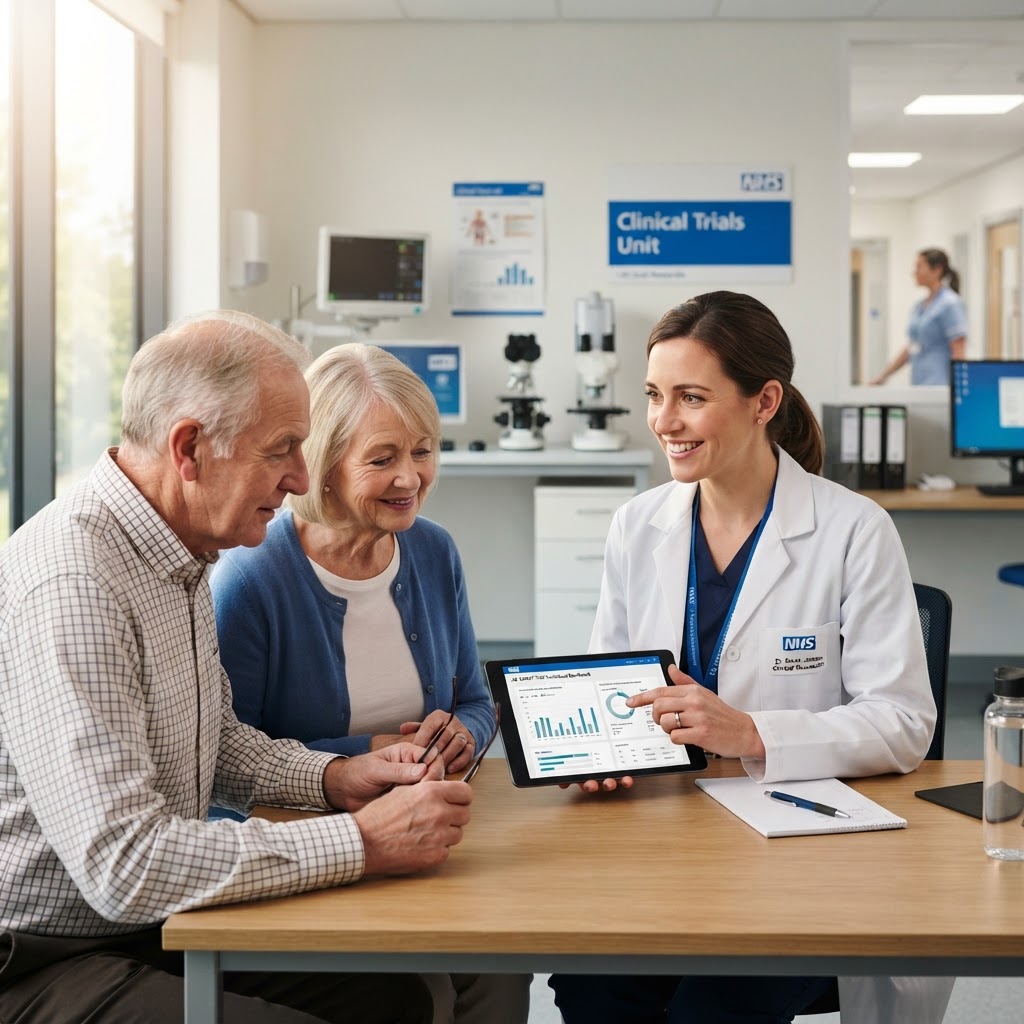
The Road to Proactive Intervention Critics of mass screening in neurology often point to the ethical dilemma of knowing a diagnosis for which there is no current cure. However, the researchers argue that the primary barrier to developing effective drugs is the inability to enrol patients in clinical trials early enough in their disease progression. By identifying at-risk individuals years before symptoms appear, this study may also provide the necessary infrastructure to test the next generation of neuroprotective therapies.
As the study progresses into 2027, the focus will shift from identification to validation. If successful, the partnership aims to translate these proteomic findings into a scalable clinical assay. For the millions of families currently witnessing the slow erosion of cognitive health in their loved ones, this application of deep data science offers the first significant glimmer of hope that the future of neurology may finally be defined by early detection rather than palliative care.