
The Shadow of Global Conflict The economic optimism that defined the early summer months in the United Kingdom has been abruptly curtailed. Data released yesterday by the Office for National Statistics confirmed that the Consumer Prices Index (CPI) rose to 2.9% for the period ending 19 August 2026. This uptick, while not reaching the double-digit trauma of previous years, represents a significant reversal for the Treasury and suggests that the era of cooling inflation has met a formidable geopolitical barrier.
The catalyst for this renewed inflationary pressure lies thousands of miles away. The ongoing US-Israeli military campaign against Iran has sent shockwaves through global energy markets, particularly as concerns mount over the security of crude oil shipments transiting through the Strait of Hormuz. For the British consumer, the impact is becoming increasingly visceral: gas and electricity tariffs are on the march again, and the cost of transport fuel has surged to levels not seen in two years.
The Policy Dilemma Inside the marbled corridors of the Bank of England, the tone has shifted from cautious neutrality to a renewed sense of urgency. Megan Greene, a key member of the Monetary Policy Committee, noted yesterday that the persistence of energy-led inflation suggests that the central bank cannot afford to sit on its hands. 'Given the current trajectory of supply-side shocks and their secondary effects on service prices, it is increasingly likely that further adjustments to the base rate will be needed to bring inflation back to target,' Greene remarked.
This prospect of 'higher for longer' borrowing costs presents a complex political challenge for the government. The International Monetary Fund (IMF) has not helped matters, issuing a sombre outlook in its latest bulletin. The fund has revised its growth forecast for the UK downwards, predicting that Britain will face a harsher economic contraction than any other G7 economy as a direct consequence of the war’s inflationary drag.
A Paradox in the Housing Market Yet, the economic data presents a curious divergence. Despite the ominous warnings regarding growth and the looming threat of higher interest rates, the domestic property market remains unexpectedly resilient. Official figures indicate that mortgage approvals reached a 15-month high in August, suggesting that consumer demand for housing remains anchored by a persistent lack of supply and a belief that the current economic turbulence will eventually subside. Whether this represents a genuine recovery or a final surge of activity before a tighter credit environment takes hold remains a subject of intense debate among City analysts.
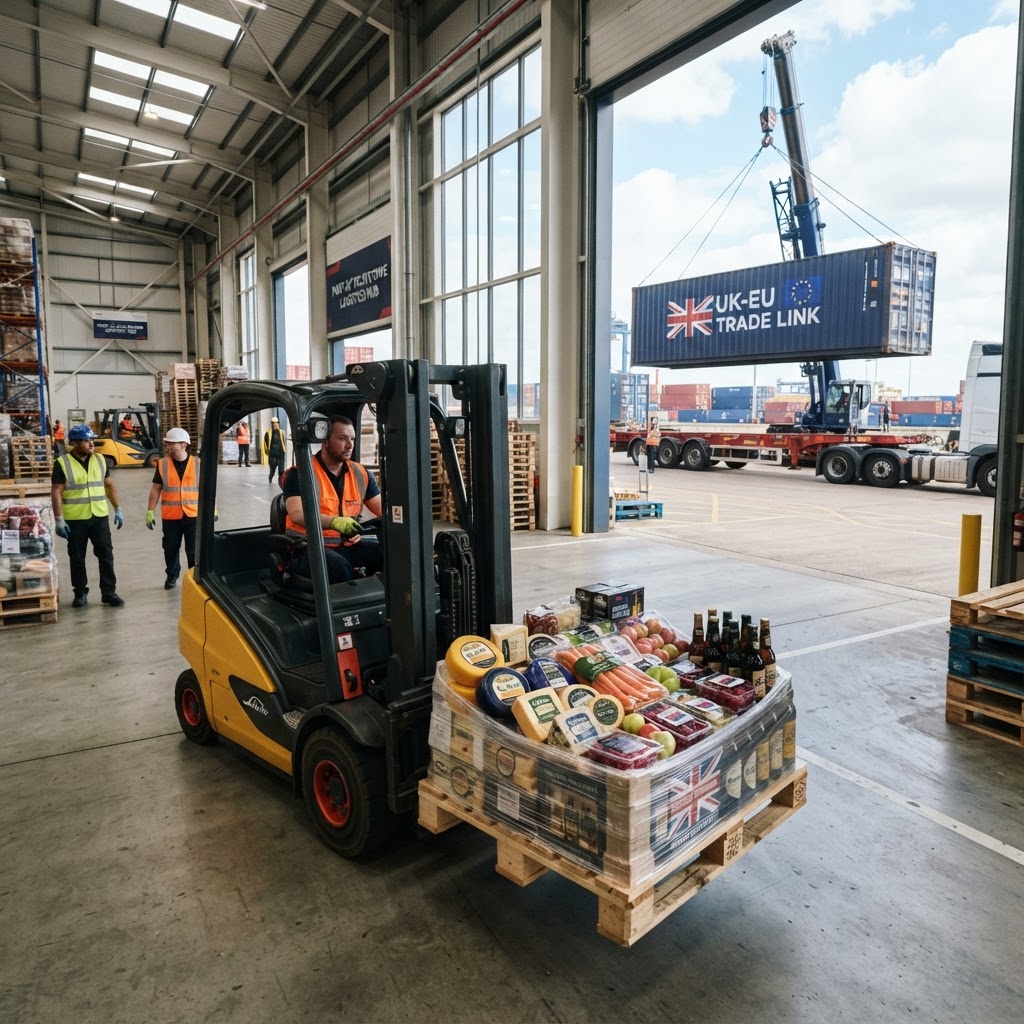
The Food Inflation Front Perhaps most pressing for the government is the rapid escalation in food prices, which has been exacerbated by the surge in energy-intensive agricultural costs. Ministers are currently locked in urgent negotiations regarding the potential suspension of carbon taxes on fertilisers. The move, intended to prevent a sharp spike in supermarket prices before the winter months, reflects a recognition that supply-side interventions are now just as critical as monetary policy in the fight against inflation.
While the government is wary of backtracking on net-zero commitments, the political reality of a cost-of-living crunch is forcing a more pragmatic, if uncomfortable, approach. As the conflict in the Middle East shows no immediate sign of resolution, the UK finds itself in a precarious position—balancing the need to rein in consumer demand through higher rates while simultaneously attempting to soften the blow for a public already strained by stagnant wage growth and rising energy bills.
“The era of cooling inflation has met a formidable geopolitical barrier, forcing a shift in both fiscal pragmatism and monetary stance.”