National Post UK
Threadneedle Street Opts for Caution as Geopolitical Winds Buffet UK Economy

The Bank of England has extended its policy of monetary restraint, keeping interest rates at 3.75% for the fifth consecu

The National Post

HomeFinance
Finance

Threadneedle Street Opts for Caution as Geopolitical Winds Buffet UK Economy

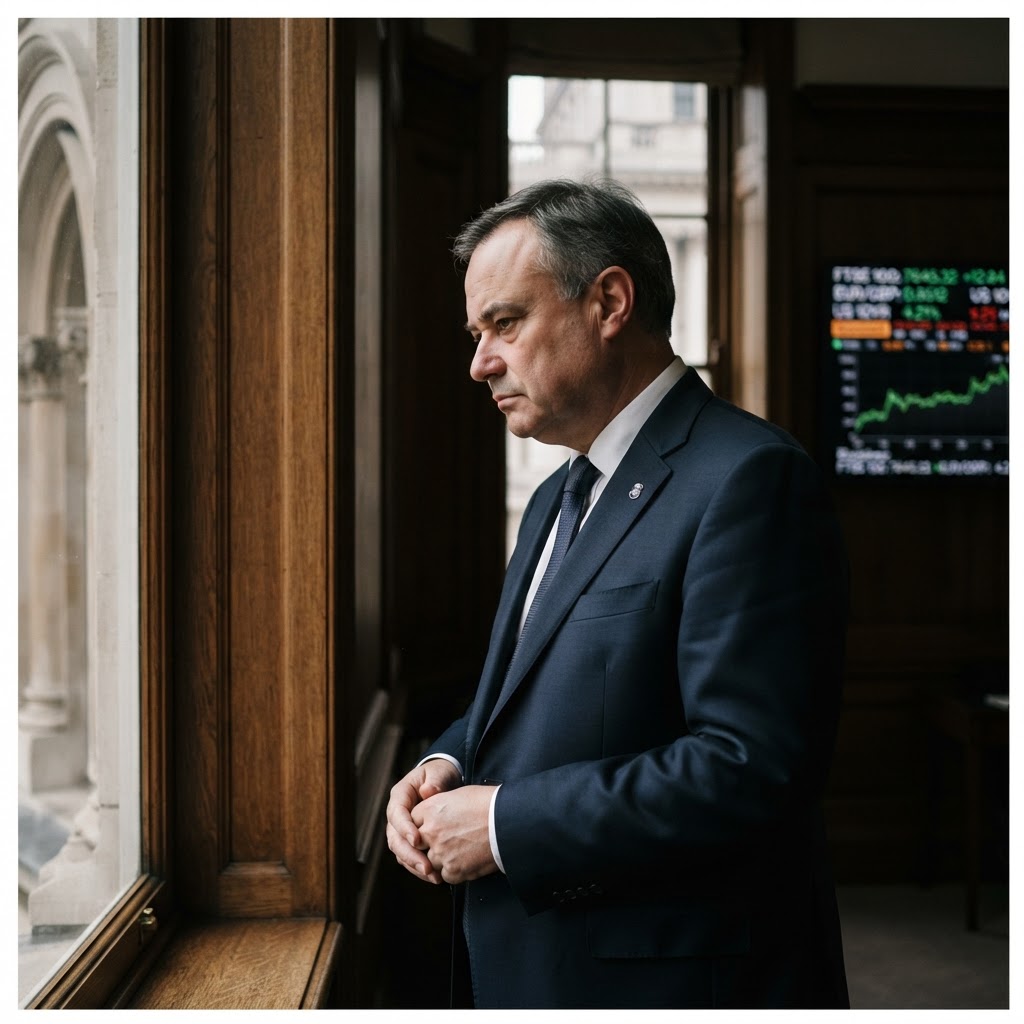
The Bank of England has extended its policy of monetary restraint, keeping interest rates at 3.75% for the fifth consecutive meeting. Governor Andrew Bailey warns that despite a cooling in headline inflation, the shadow of energy market volatility looms large over the autumn outlook.

CW

Charlotte Webb

Finance Correspondent

Published 31 August 2026·2 months ago 2 min read
Text
Share

A Strategy of Measured Vigilance The Monetary Policy Committee (MPC) at the Bank of England delivered a verdict of continuity on August 19, 2026, opting to hold the UK base rate at 3.75%. This decision, the fifth of its kind in succession, underscores a prevailing mood of defensive caution within the corridors of Threadneedle Street. While the headline rate of inflation has retreated to a more manageable 2.6%, the central bank is evidently wary of declaring an early victory against the cost-of-living pressures that have defined the past three years.

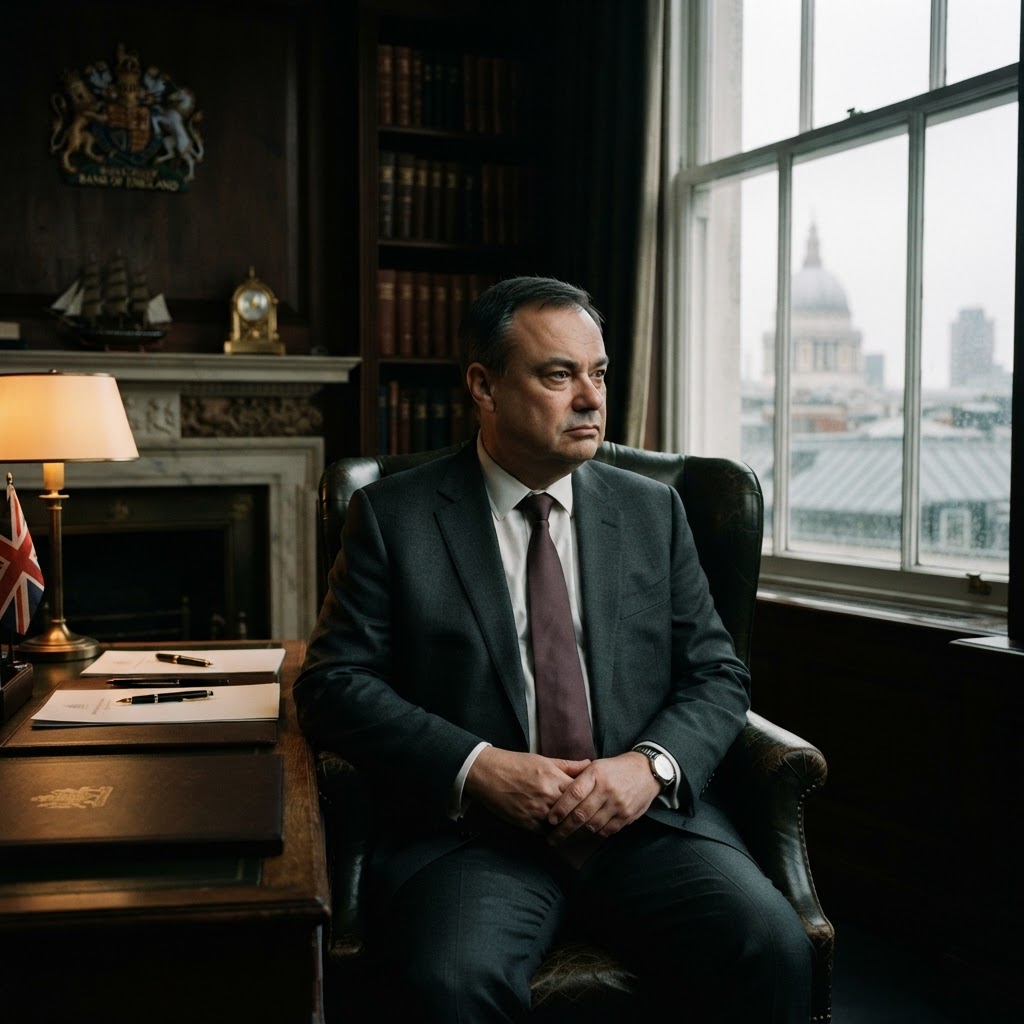
The Energy Conundrum Governor Andrew Bailey described the current stance as an 'active hold,' a term that signals the MPC's readiness to pivot should the domestic or international situation deteriorate. The primary concern remains the vulnerability of the UK economy to external energy shocks. With oil prices pushing toward the $90-per-barrel threshold as a direct consequence of escalating tensions in the Middle East, the committee is bracing for a potential reversal in the recent downward trend of inflation. Projections suggest that consumer price growth could climb to 3.2% by the close of the calendar year, a prospect that leaves little room for monetary loosening.

Market Sentiment Adjusts The immediate reaction in the City was one of recalibration. Prior to the announcement, futures markets had priced in a significant probability of a rate hike in September. However, the MPC’s language—characterised by a studious focus on geopolitical downside risks—has led traders to pare back those expectations, with the probability of a hike now sitting at roughly 40%. Analysts suggest that the Bank is prioritising stability over aggressive intervention, hoping that the current rate plateau will be sufficient to dampen underlying price pressures without stifling the modest economic recovery currently underway.

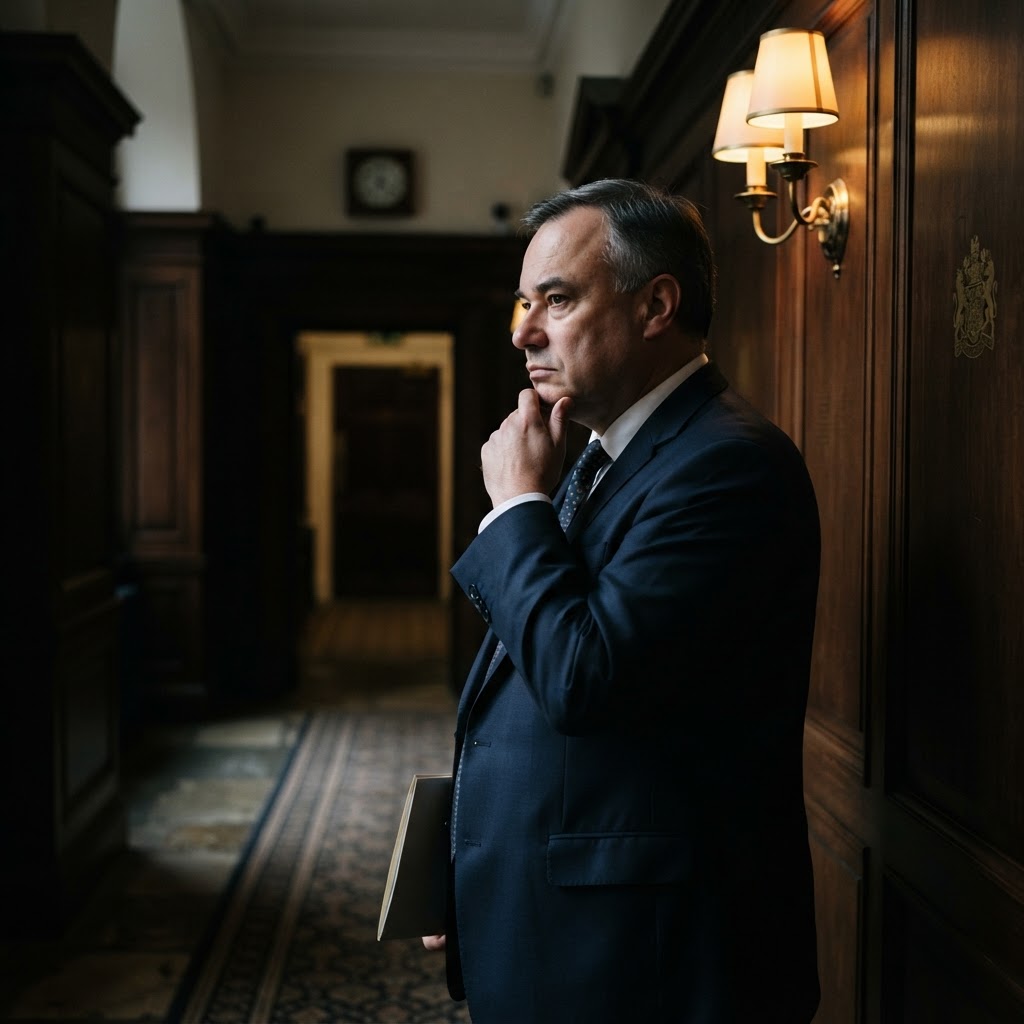
The Broader Economic Landscape For British households and businesses, the decision offers a reprieve from further borrowing cost increases but prolongs the discomfort of high interest rates. While the housing market has shown resilience, mortgage providers remain sensitive to the Bank’s hawkish undertones. Industry leaders have expressed relief at the stability, yet many remain concerned that the 'higher for longer' regime may eventually erode capital investment if energy costs continue to bite into corporate margins. As the UK heads into the final quarter of 2026, the MPC remains caught between the desire to support economic activity and the fundamental mandate to anchor price stability in a world defined by persistent, and often unpredictable, global instability.

TopicsBank of EnglandInterest RatesUK EconomyInflationAndrew BaileyMonetary PolicyEnergy Prices
Share

About the Author

CW

Charlotte Webb

Finance Correspondent

Charlotte Webb reports for National Post UK with a focus on rigorous analysis and authoritative journalism — a trusted voice across British public life.

Reader Discussion · 4

Subscribers can join the conversation.

SUBSCRIBE TO COMMENT →
M
Margaret Foster31 Aug

I have been putting away savings for my retirement for decades, so I suppose I should be glad that rates aren't being slashed yet. Still, it is frustrating to see the economy stagnate month after month.

D
David Thorne31 Aug

The MPC is in a near-impossible position. With supply chains being disrupted again by the latest geopolitical tensions, tightening further could trigger a recession, but leaving rates as they are does little to curb underlying inflation.

S
Sarah Jenkins31 Aug

It feels like they are just kicking the can down the road again. While the bank prioritises stability, those of us struggling with high mortgage repayments see little relief on the horizon.

A
Arthur Penhaligon31 Aug

Holding the rate steady is the sensible move given how unpredictable the global situation is right now. We cannot afford any knee-jerk reactions that might exacerbate the cost of living pressure on households.

More from Finance

Most Read in Finance

Morning Briefing

The day's top stories, before 7am

Join 40,000 readers who start their morning with National Post UK.