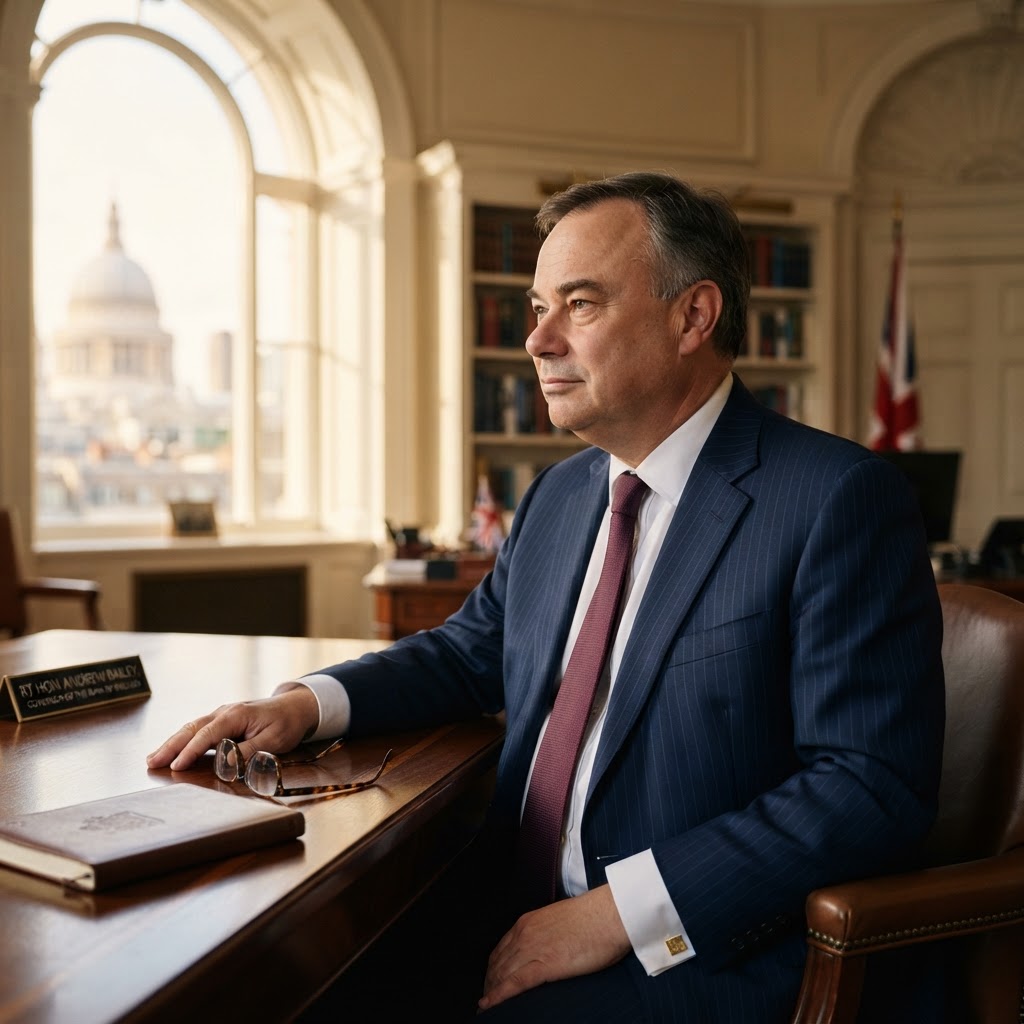
The Bank of England has maintained its base interest rate at 5.0% following the recent meeting of its Monetary Policy Committee (MPC), but indications suggest a change in direction could be on the horizon. With consumer price index (CPI) inflation stabilising at the 2% target for three consecutive months, experts are analysing the implications for the UK economy, particularly regarding consumer spending and the housing market.
Inflation Stays Steady
The MPC voted 7-2 to keep the interest rate unchanged, a decision reflecting the current balance of economic pressures. Governor Andrew Bailey underscored the significance of the recent inflation figures, asserting that "the pieces of the puzzle are falling into place" for a potential policy shift. With inflation holding steadily at the target, the Bank’s current stance appears increasingly nuanced, aiming at neither stifling economic growth nor allowing inflation to rebound.
Market Probabilities Shift
Financial markets have reacted briskly to these developments, with projections for an interest rate cut in August now soaring to around 80%. This confidence is bolstered by the upward revision of the UK's GDP growth for the second quarter to 0.4%, signalling resilience in economic activity despite prior concerns regarding stagflation threats.
“As we enter this new phase, the pieces of the puzzle are falling into place for a shift in policy.”
Analysts regard the MPC’s decision as not just a reflection of current economic conditions, but also a strategic positioning that takes into account the broader macroeconomic landscape. The sustained inflation rate, combined with marginal economic growth and the anticipated rate cut, paints a picture that could motivate consumers to engage with spending more enthusiastically, which is critical to sustaining the UK’s recovery trajectory.
Consumer Market Impacts
A more accommodative monetary policy might also stimulate the housing market, which has shown signs of vulnerability in recent months. With mortgage rates currently high, a reduction in the base rate could ease borrowing costs, potentially revitalising a market that has faced headwinds amid rising living costs and economic uncertainty. Concerning the housing sector, property experts suggest that easing interest rates could rekindle buyer interest and elevate household confidence.
Julian King, the Chief Economist at Capital Economics, commented on the implications of a possible rate cut: "Lower interest rates would ideally provide a much-needed shot in the arm for consumption and investment, which have been sluggish. A shift in policy might well restore consumer confidence, influencing the broader economy positively."
Broader Economic Context
Historically, inflation stabilization comes after periods of stringent monetary policy aimed at curbing excessive price rises. The British economy has navigated through tumultuous waters following the pandemic and subsequent geopolitical tensions, including those stemming from Brexit and the ongoing global economic uncertainties. In this context, the recent inflation stability is a conducive sign that long-term inflation expectations are being anchored effectively.
The road ahead, however, is fraught with challenges. Global supply chain disruptions, energy price volatility, and geopolitical tensions remain at the forefront of economic discourse. Additionally, the recent revisions in GDP growth, while encouraging, come with caveats as they may not fully capture future impacts of potential rate modifications or inflationary pressures that could stem from external shocks.
Future Considerations for the Bank
Looking ahead, the MPC faces a delicate balancing act. An easing of monetary policy might spur growth but could also bring back inflationary pressures if done prematurely. Economists urge caution, emphasising the need for continuous monitoring of data on wage growth, employment levels, and global economic pressures to ascertain the longevity of the current positive trend.
As Bailey reflected on the situation, he reiterated the Bank’s commitment to a data-driven approach: "We will continue to be vigilant in assessing the impacts of our decisions on inflation and growth, maintaining flexibility to respond to upcoming economic signals.”
In conclusion, while the decision to hold rates steady may reassure some sectors of the economy, the anticipated potential for a rate cut reflects a growing optimism amongst policymakers about the UK’s economic trajectory. As the market adjusts its expectations, the implications for consumers and the housing market will be closely watched in the coming months, potentially heralding a new chapter in the UK’s monetary policy landscape.