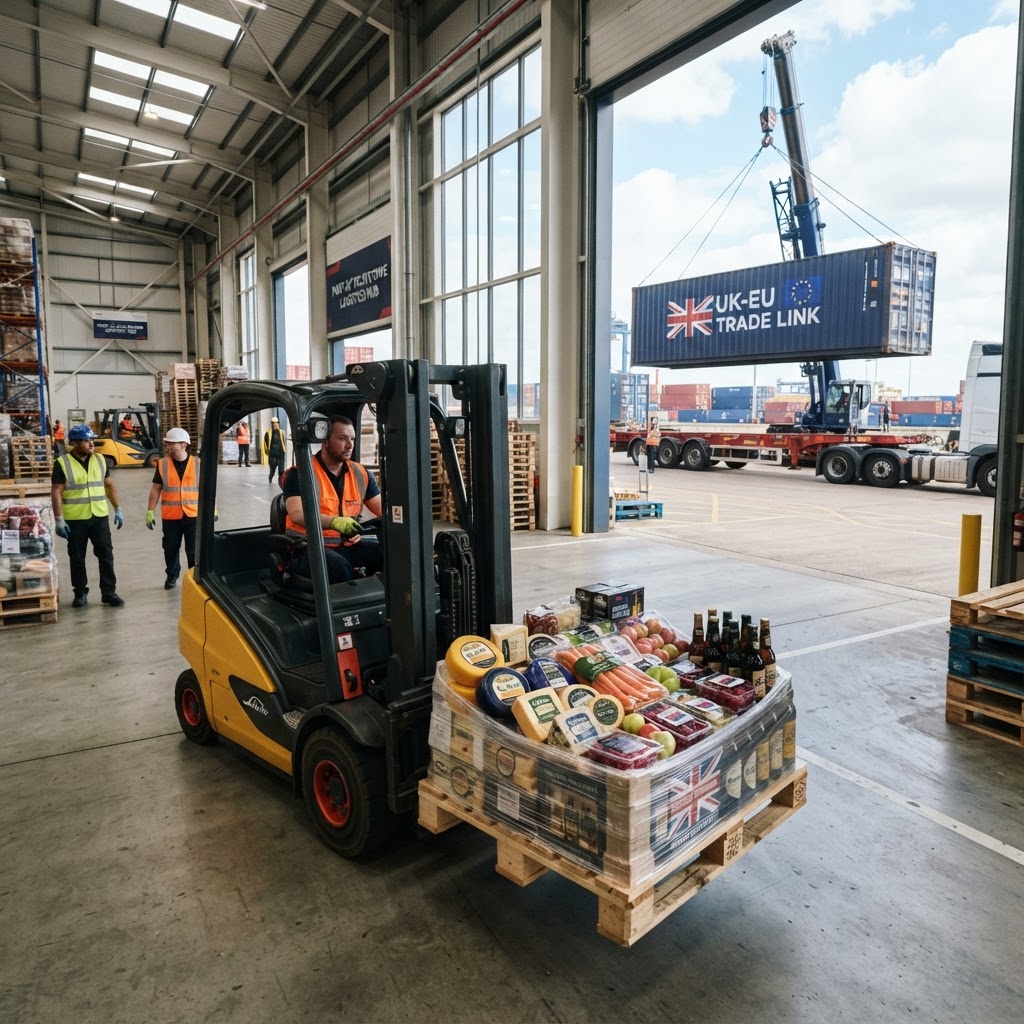
A pragmatic shift in trade policy In a significant development for the British economy, Whitehall officials and their counterparts in Brussels have concluded a draft agreement aimed at dismantling the complex web of red tape that has hampered food exporters since the United Kingdom’s departure from the European Union. The deal, which targets the removal of rigorous border checks and mandatory Export Health Certificates, represents the most tangible progress yet in Prime Minister Andy Burnham’s stated objective of securing a comprehensive 'Brexit reset'.
For years, British producers have grappled with the bureaucratic burden of trading with the single market. The introduction of these post-Brexit requirements transformed the logistics of food exports, forcing many small-to-medium enterprises to shoulder costs that eroded their margins and, in some cases, rendered European trade unviable. Should this draft be ratified, the easing of these administrative bottlenecks will offer a long-awaited respite for sectors ranging from British seafood to artisanal dairy.
Economic projections and growth targets The financial implications of the agreement are substantial. Government modelling estimates that the reduction of trade friction will unlock £5.1 billion in annual economic benefits. Prime Minister Burnham has been notably optimistic regarding the macroeconomic impact, signalling to stakeholders that the alignment measures could contribute as much as 0.4 per cent to the nation’s annual GDP. At a time when the British economy is navigating a period of sluggish growth and persistent inflationary pressures, such a boost would be a welcome tonic for the Exchequer.
The British Chambers of Commerce has been among the most vocal proponents of the deal. Representatives have long maintained that the existing export framework serves as a significant drag on productivity. For many firms, the current requirements add thousands of pounds in costs per individual shipment, a price that is ultimately passed down to consumers or absorbed by businesses already operating on thin margins. By standardising compliance, the government aims to restore the fluidity that characterised the pre-2021 trading relationship.
Navigating the political landscape Despite the commercial optimism, the deal is not without its detractors. Within the political sphere, some pro-Brexit factions have expressed apprehension regarding the nature of the alignment. There are concerns that any move to harmonise standards with the European Union might signal a creeping return to regulatory dependency, potentially limiting the UK’s capacity for future legislative divergence. However, the government has been careful to frame the agreement as a necessary pragmatic evolution rather than a reversal of sovereignty.
This initiative is part of a broader, more ambitious strategy. Whitehall insiders suggest that the food export deal acts as a 'pathfinder' for wider negotiations, including potential collaborative agreements on emissions trading systems and reciprocal youth mobility schemes. These subsequent talks are expected to test the political capital of both the Burnham administration and the European Commission as they seek to recalibrate the UK-EU partnership for a post-pandemic era.
“This deal acts as a pathfinder for wider negotiations, representing a pragmatic shift to restore the fluidity that once characterised the British export economy.”