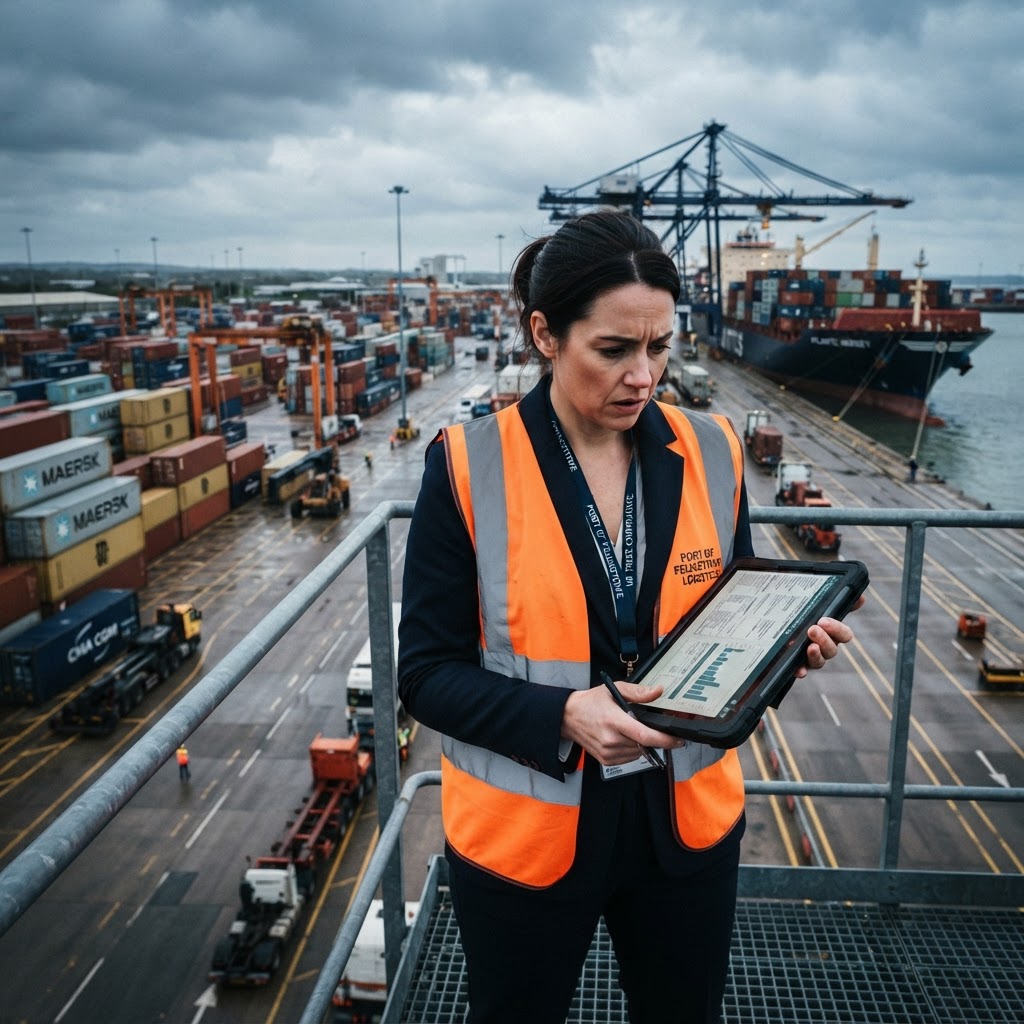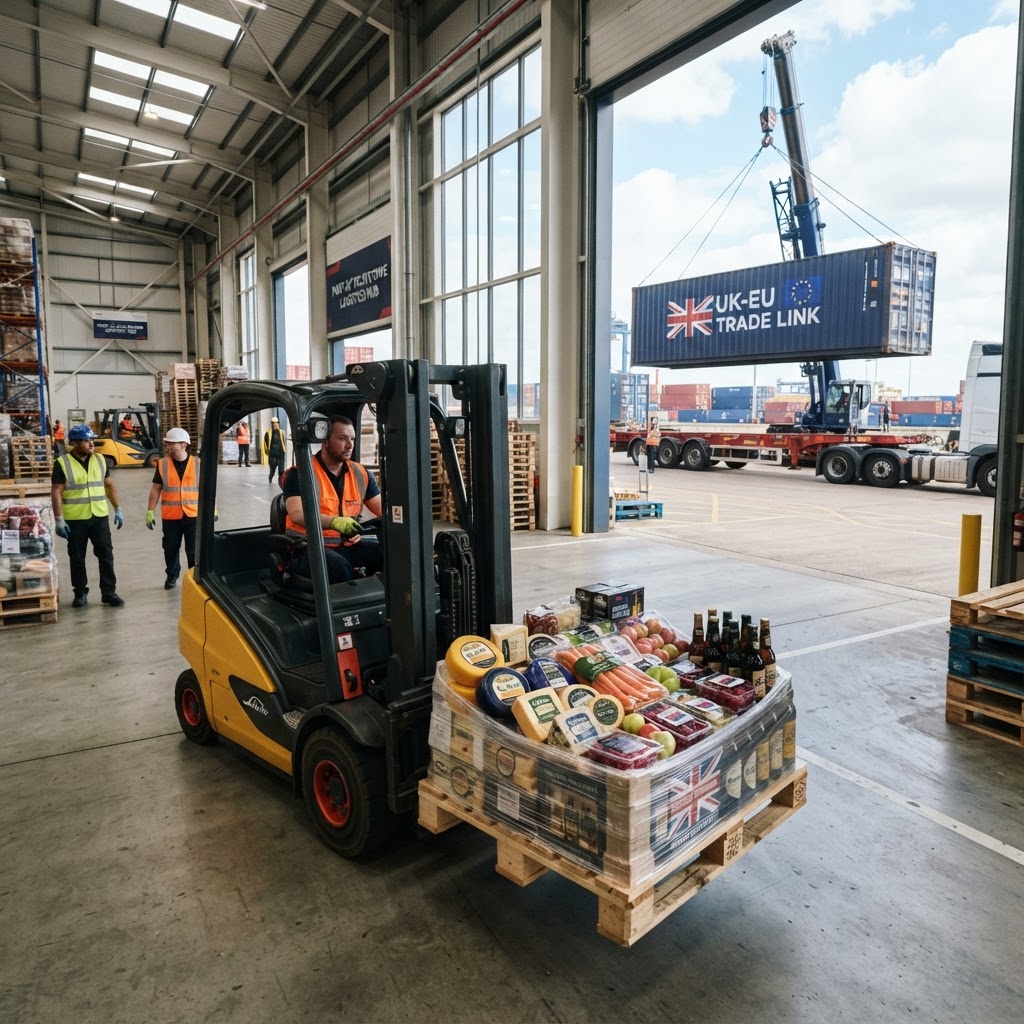
A New Chapter in Cross-Channel Trade In a significant development for the British economy, Whitehall officials and their counterparts in Brussels have confirmed the completion of a draft agreement designed to alleviate the stifling administrative burdens currently hindering food exports across the English Channel. This diplomatic breakthrough, which has been under intense negotiation for several months, marks the most substantial progress achieved since the commencement of the current 'Brexit reset' talks aimed at refining the UK-EU trading relationship.
For the British agri-food sector, the impact of these changes cannot be overstated. Since the conclusion of the transition period, exporters have grappled with a complex array of sanitary and phytosanitary (SPS) checks, which have added considerable costs and logistical delays to the movement of perishable goods. The proposed framework aims to streamline these processes, effectively creating a more seamless corridor for British producers to access European markets.
Economic Projections and Political Momentum Economic modelling provided to the Treasury suggests that the full implementation of this deal could stimulate a 0.4 per cent increase in UK GDP. While this figure may appear modest to the casual observer, for an economy navigating a period of fiscal consolidation, the injection of growth is considered a vital milestone. Business leaders have welcomed the news with cautious optimism, noting that the reduction in 'red tape' is a necessary prerequisite for restoring competitiveness to the UK’s export-led industries.
The agreement is now being prepared for formal adoption at the upcoming UK-EU summit, scheduled for later this month. Diplomats on both sides have described the negotiations as pragmatic and constructive, reflecting a shift in tone from the fractious exchanges of previous years. The summit will serve as the venue for the high-level endorsement of the text, setting the stage for a phased implementation starting early next year.
The Road to Regulatory Alignment The deal represents a deliberate move towards greater regulatory equivalence, a strategy that has long been championed by industry lobbyists and certain factions within the business community. By aligning more closely on safety standards and certification processes, the UK and the EU are effectively choosing to prioritise economic fluidity over strict regulatory divergence. This shift signals a departure from the earlier focus on absolute autonomy, towards a model that prioritises market access and economic stability.
Dr Helen Rivers, a senior economist at the Institute for Trade Strategy, noted that the deal suggests a maturation of the relationship between the two parties. She stated that both the UK and the EU have recognised that the current friction was not merely an administrative nuisance but a genuine deterrent to long-term investment. By easing these requirements, London is signaling its intent to remain deeply integrated within the European market, even whilst maintaining its position as an independent trading nation.
“This agreement marks the most substantial progress achieved since the commencement of the current Brexit reset talks, signalling a pragmatic shift in the diplomatic landscape.”
Challenges and Future Outlook Despite the optimism, some political observers have cautioned that the agreement could face scrutiny in Westminster. Conservative backbenchers and hardline Eurosceptics are expected to monitor the text closely for any signs of 'dynamic alignment', a term that implies the UK would be forced to adopt future EU rules automatically. The government has attempted to mitigate these concerns by ensuring that the agreement respects the UK's legislative sovereignty, providing a mechanism for dispute resolution that sits outside the jurisdiction of the European Court of Justice.
For the average British consumer, the immediate impact may be less perceptible, yet the long-term benefits of more stable supply chains and reduced inflationary pressure on food imports are clear. As the summit approaches, the eyes of the business world will remain firmly fixed on Brussels, waiting to see if this draft can successfully navigate the final hurdles of the political process.