A Dampened Economic Outlook The latest figures from the Office for National Statistics (ONS) paint a sobering portrait of the British economy as it enters a pivotal summer. Retail sales volumes contracted by 2.3 per cent in April, a figure that significantly eclipsed analyst expectations of a modest 0.4 per cent decline. Following a period of stubborn stagnation throughout March, this sharp reversal serves as a jarring reminder that the UK's economic revival remains tethered to volatile external factors and the deepening cost-of-living crisis.
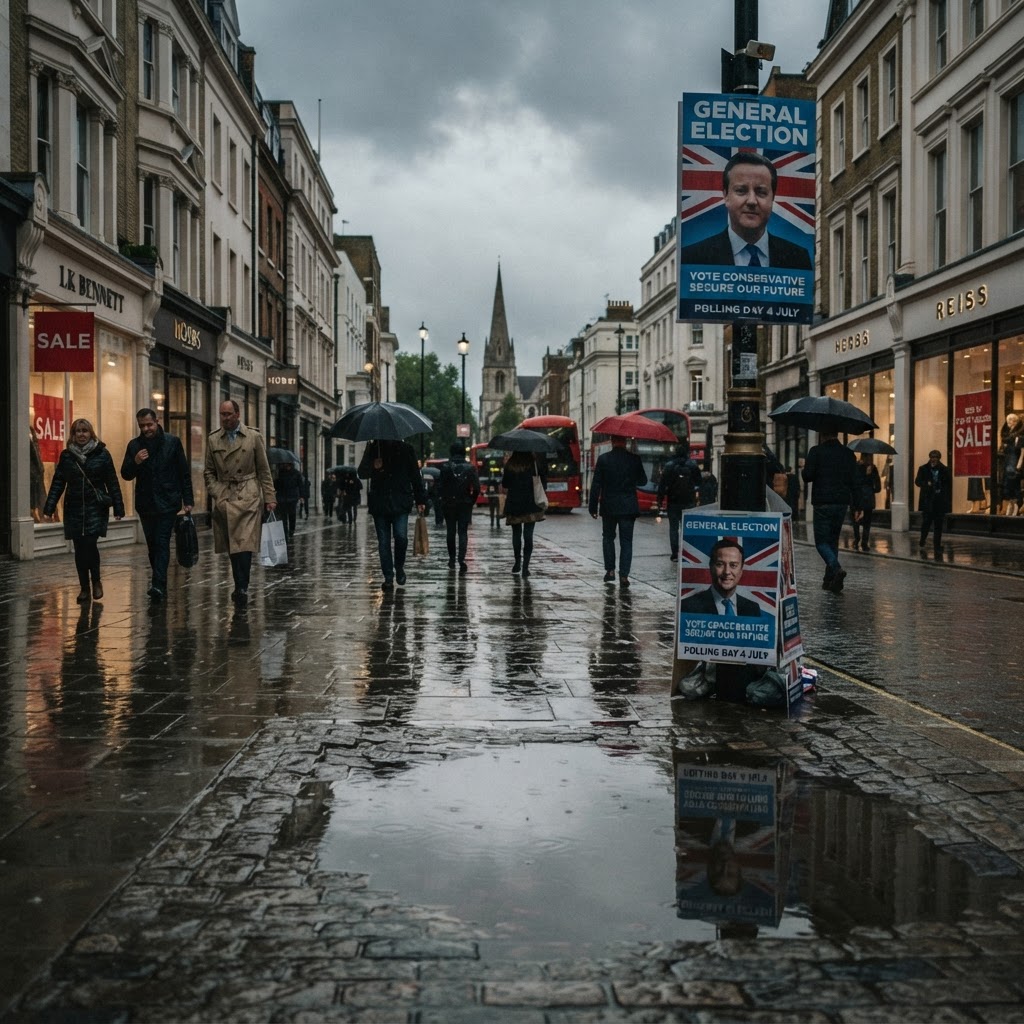
The Weight of the Weather and Costs While the ONS points toward the wettest April in over a decade as a primary culprit for the decline in high street footfall, economists are quick to caution against viewing the weather in isolation. The data reveals that non-food retailers, particularly in the clothing and footwear sectors, have suffered their most significant downturn since the height of the 2021 lockdowns. Beyond the rain-lashed storefronts, the broader consumer landscape suggests a fundamental tightening of household budgets. Online sales, often viewed as a reliable indicator of discretionary spending power, also retreated by 1.2 per cent, signalling that the retrenchment is not merely a consequence of poor weather, but a symptom of sustained fiscal caution among families managing high mortgage rates and persistent inflationary aftershocks.
Electioneering Under Pressure The timing of this release, arriving exactly 48 hours after Prime Minister Rishi Sunak’s surprise announcement of a July 4th general election, ensures that the state of the high street will sit at the very centre of the national conversation. For the incumbent government, the data poses a formidable challenge. Mr Sunak’s campaign, which relies heavily on the narrative of a recovering economy and the restoration of fiscal stability, must now reconcile that message with evidence of a consumer base that remains largely fearful of over-committing their finances.
Conversely, the opposition parties are expected to utilise these figures to reinforce their critique of the current administration’s management of the macro-economic environment. As the campaign trail warms up, the disconnect between official growth figures and the lived experience of shoppers in towns and cities across the country will likely provide the fuel for intense debate in the coming weeks. Whether this contraction is a transitory shock driven by rainfall or the beginning of a sustained downturn remains the subject of fierce debate among financial institutions in the City.