
A Period of Measured Caution In a move that aligns with the consensus of City analysts, the Bank of England’s Monetary Policy Committee (MPC) has confirmed that the base interest rate will remain at 3.75%. The decision, announced on Thursday morning, marks the sixth consecutive gathering of the Bank’s rate-setting body in which the dial has remained unmoved. While the pause offers a temporary reprieve for mortgage holders, the underlying economic narrative remains one of persistent anxiety.
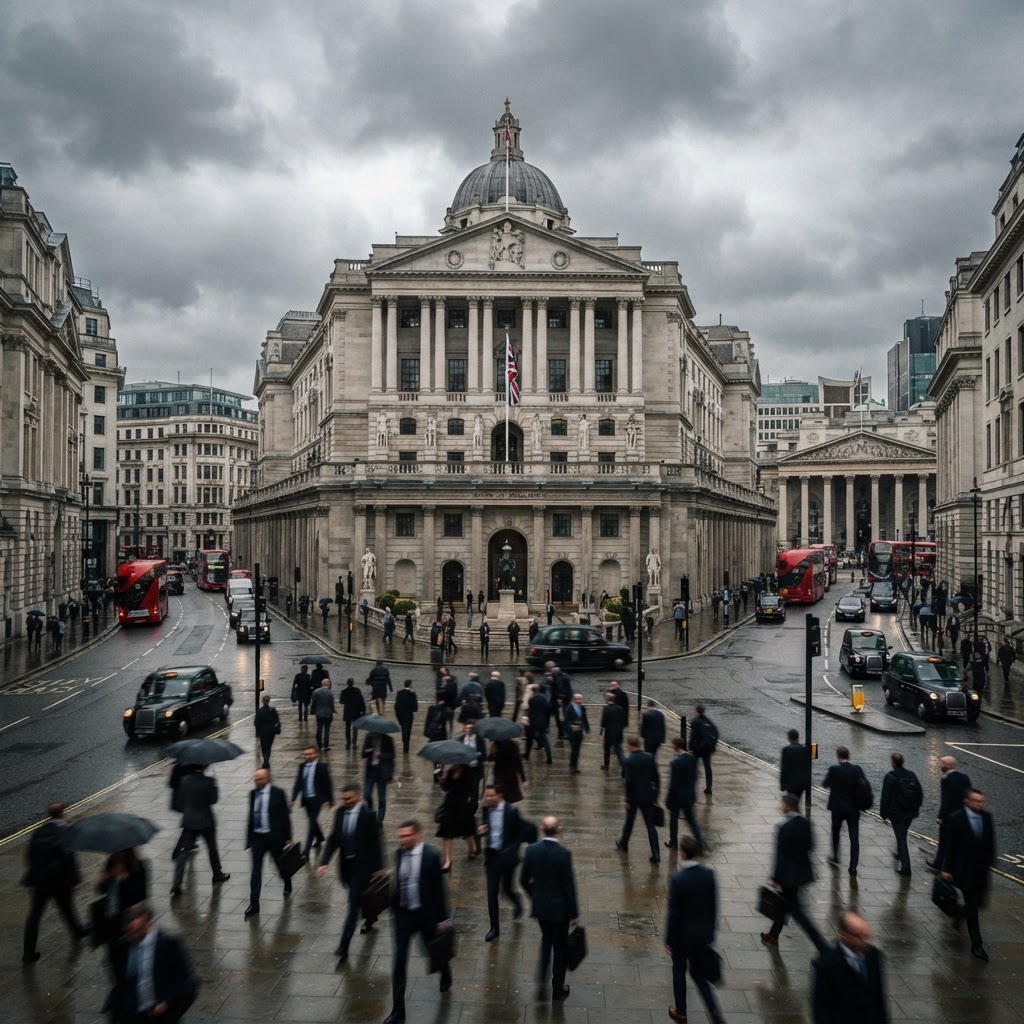
Governor Andrew Bailey, addressing the media from the Bank’s headquarters in Threadneedle Street, emphasised that the decision to hold was not an indication of a shift towards monetary easing. Instead, the committee remains locked in a battle against sticky inflation, which continues to hover stubbornly above the central bank’s target of two per cent. The ongoing conflict in the Middle East has acted as a catalyst for renewed volatility in global energy markets, directly feeding into the inflationary pressures that continue to erode the purchasing power of British households.
The Geopolitical Squeeze The primary concern for policymakers is the transmission mechanism of global energy prices into the domestic economy. With geopolitical instability showing little sign of abatement, the crude oil and gas markets remain highly sensitive to regional supply shocks. This, in turn, keeps a floor under domestic utility bills and fuels industrial overheads, creating a second-round effect that is notoriously difficult for the Bank to dampen through interest rate policy alone.
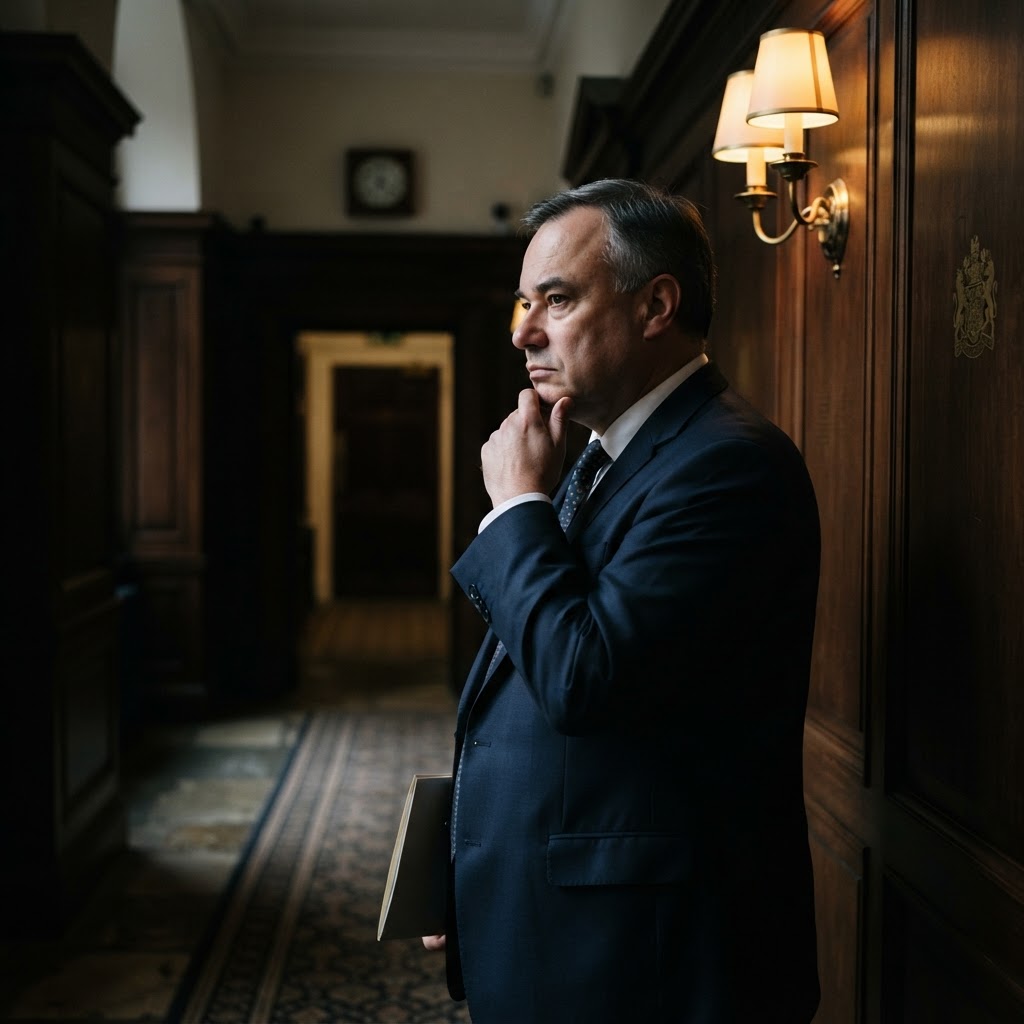
Dr. Elena Rossi, chief economist at a leading investment house in London, noted that the MPC is currently walking a tightrope. ‘They are caught between the rock of stubborn inflation and the hard place of stagnation,’ she observed. ‘Raising rates further risks choking off a nascent recovery, yet remaining passive for too long risks allowing inflationary expectations to become embedded in the wage-setting process.’
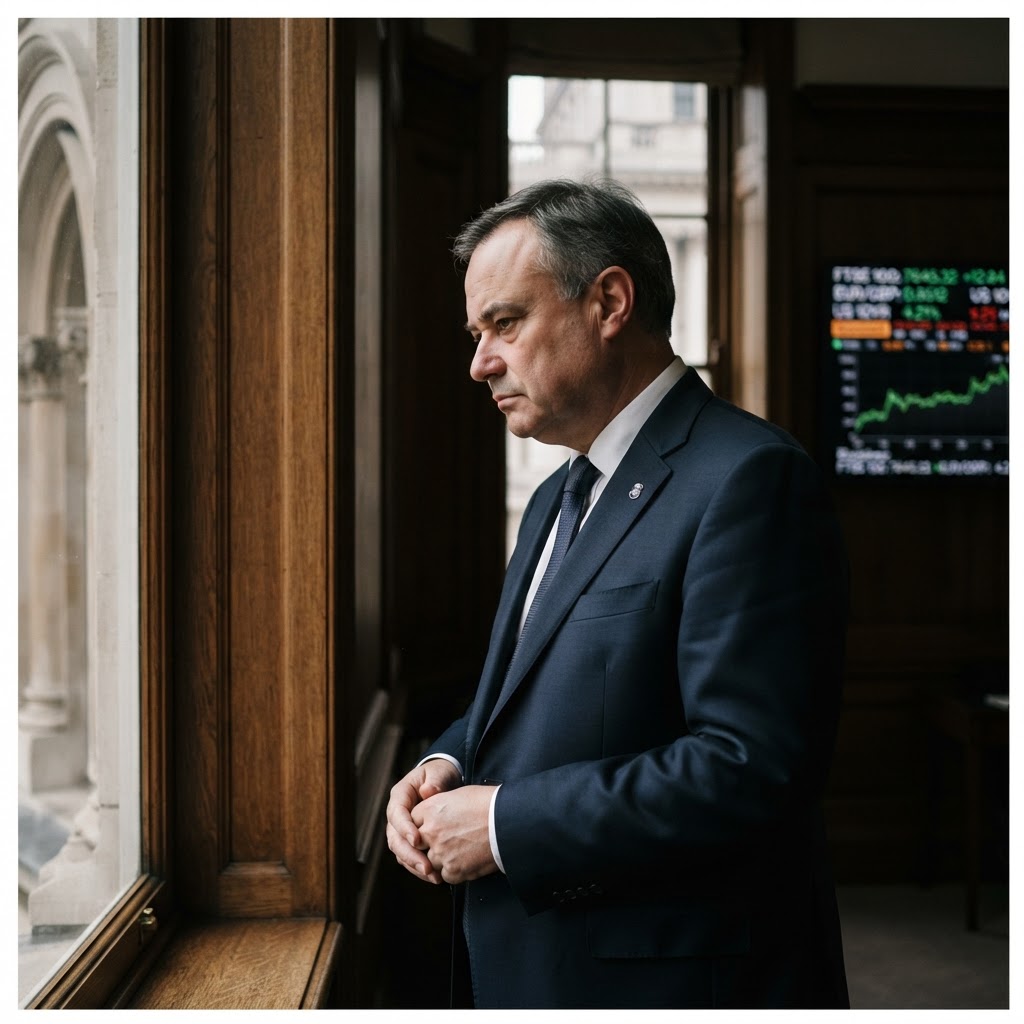
Economic Stagnation Concerns While inflation remains the headline threat, the broader UK economic outlook remains characterised by sluggish output. Business investment has failed to rebound with the vigour once hoped for, and the manufacturing sector continues to report muted demand. The Bank of England is keenly aware that its previous cycle of aggressive rate hikes has already begun to bite, tightening credit conditions and cooling the housing market. However, with unemployment figures remaining historically low and a tight labour market still driving wage growth, the inflationary fire has not yet been extinguished.
Looking ahead, the Governor has kept the door firmly open for further interventions. Should the data in the coming quarter suggest that inflation is failing to retreat on the projected path, the Bank has signalled that it will not hesitate to move once more. This forward guidance is designed to anchor market expectations, ensuring that businesses and trade unions understand that the fight against price instability is far from over.
“The Bank of England is caught between the rock of stubborn inflation and the hard place of stagnation, navigating a period of uncertainty where no easy resolution exists.”
The Road Ahead The sentiment in Westminster reflects the gravity of the situation. While the Treasury has cautiously welcomed the pause, noting the importance of avoiding unnecessary shocks to consumer confidence, the Chancellor has also acknowledged the need for fiscal prudence in an era of higher-for-longer borrowing costs. As the autumn budget approaches, the government faces its own challenges in balancing the books without exacerbating the very inflationary pressures that the Bank is currently working so hard to neutralise.
Ultimately, today’s decision is a reflection of a central bank that prefers to err on the side of vigilance. Whether this current plateau represents the peak of the cycle or merely a pause before a final climb remains the defining question for the British economy. For now, the nation waits to see whether the external shocks of the Middle East will subside, or if the Bank will be forced to reach for its primary tool of monetary tightening once again to restore equilibrium to the cost of living.