
Search
Search The National Post UK
53 results for "Economic Growth Forecasts"

Equities Tread Water as London Markets Process Post-Budget Fiscal Reality
The FTSE 100 has maintained a narrow trading range as investors reconcile Chancellor John Healey’s targeted tax regime with the broader implications of global central bank policy. Analysts suggest that the initial volatility following the Autumn Budget has given way to a period of cautious consolidation.

Ministers Unveil Deregulation Drive Aimed at Unlocking £800 Million for British Industry
The Treasury has targeted a significant reduction in administrative overheads as the government prepares for a pivotal fiscal statement. Business leaders have cautiously welcomed the move to streamline customs paperwork and complex tariff compliance.

British Private Sector Surges as Labour Market Recovery Defies Forecasts
An eight-month peak in economic activity has been buoyed by an AI-led capital expenditure cycle. As the spectre of unemployment recedes, the Bank of England faces a tightening inflation trap.

Fiscal Tightrope: Treasury Braces as Interest Rate Pressures Mount
As inflation projections eclipse the four percent threshold, the Bank of England’s looming interest rate decisions threaten to stifle growth ahead of the Chancellor’s autumn fiscal statement. With public borrowing spiralling, the government finds its room for manoeuvre increasingly constrained.

Bailey Holds Steady as Inflationary Storm Clouds Gather Over Threadneedle Street
The Monetary Policy Committee has opted to maintain interest rates at 3.75 percent despite a resurgence in inflation. With global energy markets destabilised by Middle Eastern instability, the central bank faces a narrowing window for policy intervention.

Britain Defies Economic Gloom as Growth Outpaces Forecasts
Fresh data reveals the UK economy is outpacing its G7 counterparts, offering a rare moment of stability. Officials suggest that a steadfast commitment to fiscal discipline, balanced against targeted relief for households, is beginning to yield tangible results.

Economic Pressure Mounts as Energy Volatility and Debt Costs Squeeze British Industry
As crude oil climbs to $104 per barrel, businesses across the UK are grappling with an increasingly hostile financial climate. While pockets of resilience emerge in construction and employment, the looming shadow of insolvency remains the primary concern for City analysts.
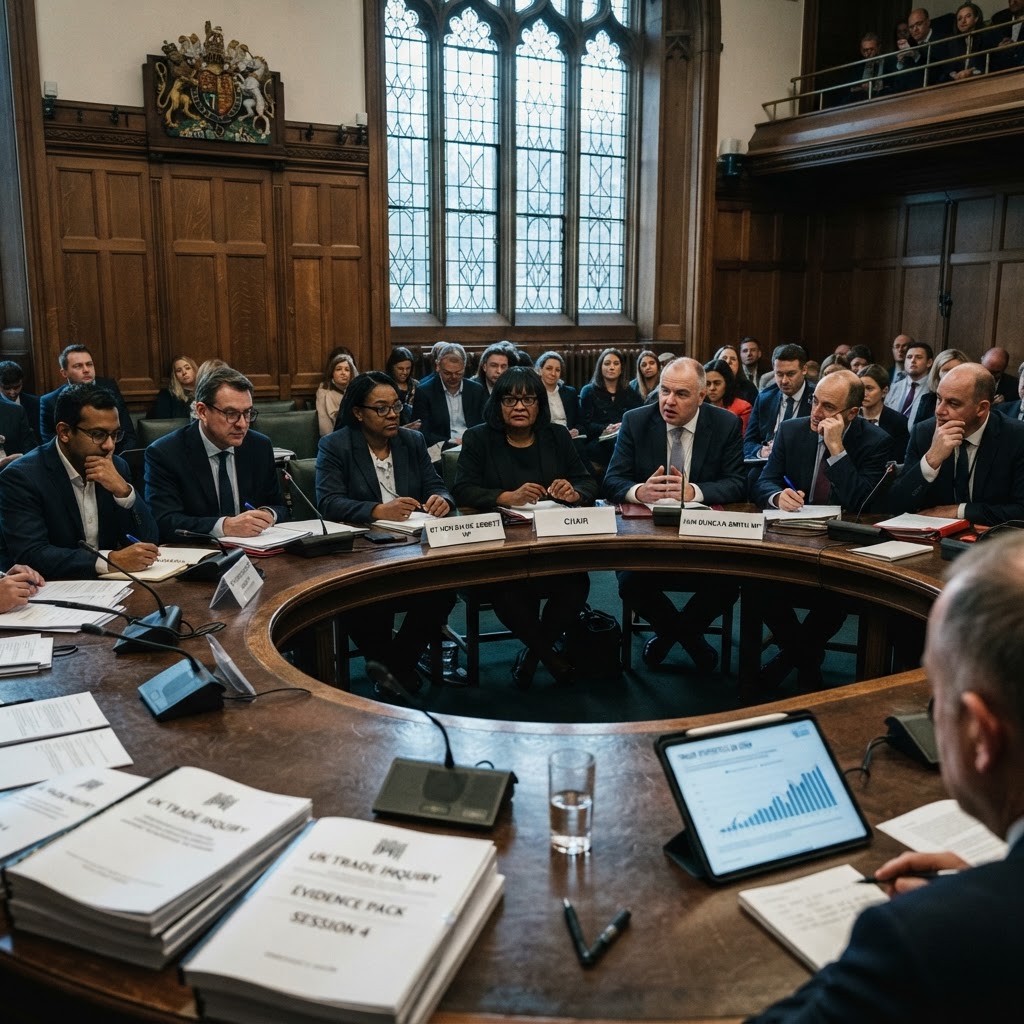
Westminster Scrutinises Atlantic Ambitions as US Trade Ties Stagnate
As global protectionism gathers pace, the Business and Trade Committee has launched a formal inquiry into the UK's most critical economic partnership. With the United States accounting for nearly a quarter of British exports, MPs are now questioning if current prosperity deals are fit for an era of geopolitical fragmentation.

Sterling Under Siege: Sovereign Debt Worries Trigger Record Short Positions
Market confidence in the UK fiscal trajectory has faltered as borrowing requirements outpace official forecasts. With bond yields touching levels not seen in two decades, the City braces for a prolonged period of monetary tightening.

Threadneedle Street Signals Policy Pivot as Inflation Fears Intensify
Two senior members of the Monetary Policy Committee have indicated that a vote for higher borrowing costs is imminent. The shift comes despite a recent surge in equities that has seen the FTSE 100 reach fresh local highs.

Threadneedle Street Shifts Gear as Growth Projections Stagnate
The Monetary Policy Committee has delivered a decisive interest rate reduction while warning of a darkening fiscal horizon. With growth expectations halved and inflationary pressures mounting, the Bank faces an increasingly difficult balancing act.

The Silent Squeeze: Britain’s Corporate Sector Reels Under Unrelenting Fiscal Headwinds
As growth falters and insolvency rates climb, British enterprises are caught in a pincer movement of elevated interest rates and persistent operational costs. With no immediate respite in sight, analysts warn of a structural transition that threatens to reshape the domestic economy.

Bank of England Holds Steady at 3.75% as Geopolitical Tensions Cloud Economic Outlook
The Monetary Policy Committee has opted for caution, maintaining the Bank Rate at 3.75 per cent while signalling a bold new strategy to unwind balance sheet holdings. Policymakers have warned that escalating international conflict remains the primary threat to domestic price stability.

Fiscal Headwinds Gather as Borrowing Overhang Clouds October Budget
As government debt figures breach official projections, British firms face a tightening economic climate. With consumer confidence waning and tax speculation intensifying, the path to autumn stability remains fraught with difficulty.
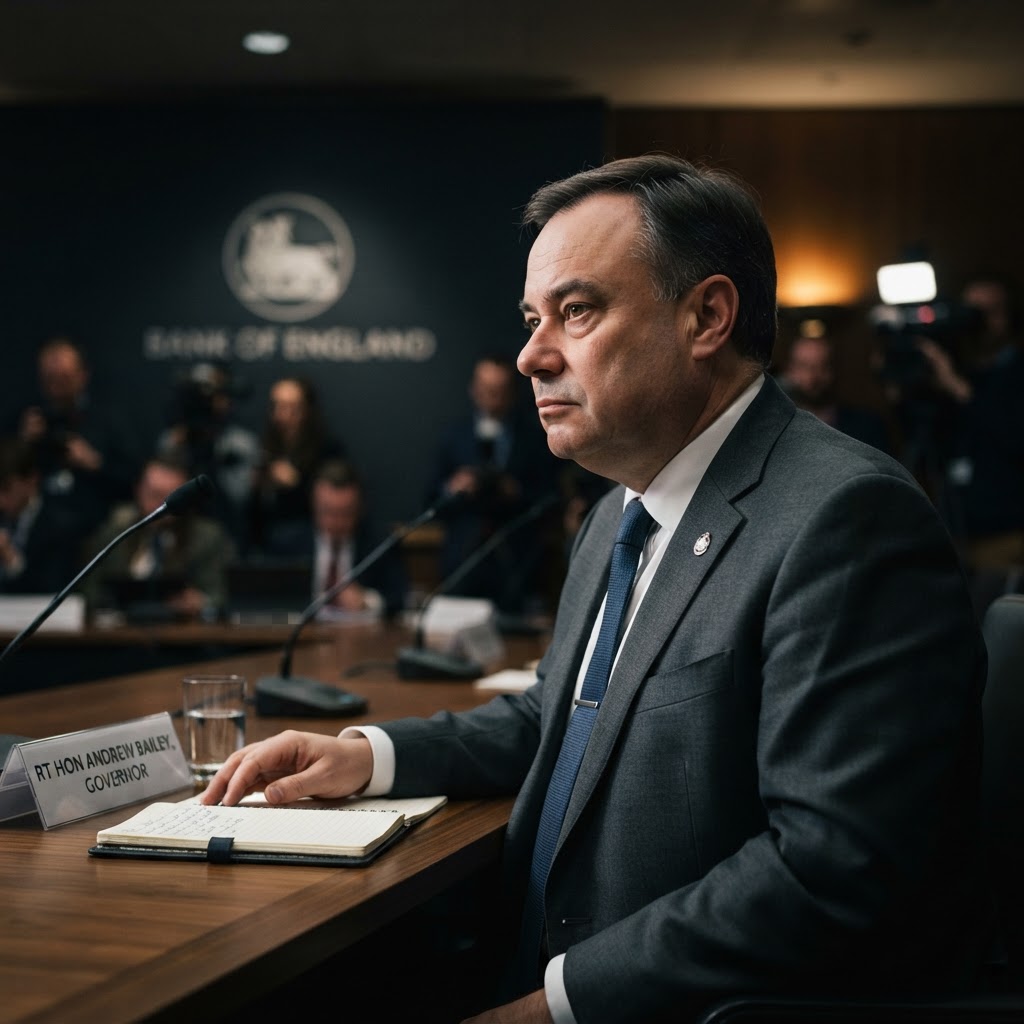
Sterling Stumbles as Markets Pivot Toward Inflationary Headwinds
The British pound has faced a period of consolidation as investors prepare for August inflation prints that threaten to exceed forecasts. With the Bank of England set to convene, all eyes are on whether the central bank will signal a more hawkish path to curb rising price pressures.

Tech Resurgence Fuels Unexpected July Economic Expansion
The British economy defied consensus expectations with a 0.4 per cent expansion at the start of the third quarter. Analysts suggest the growth represents a significant pivot driven by heavy investment in artificial intelligence infrastructure.
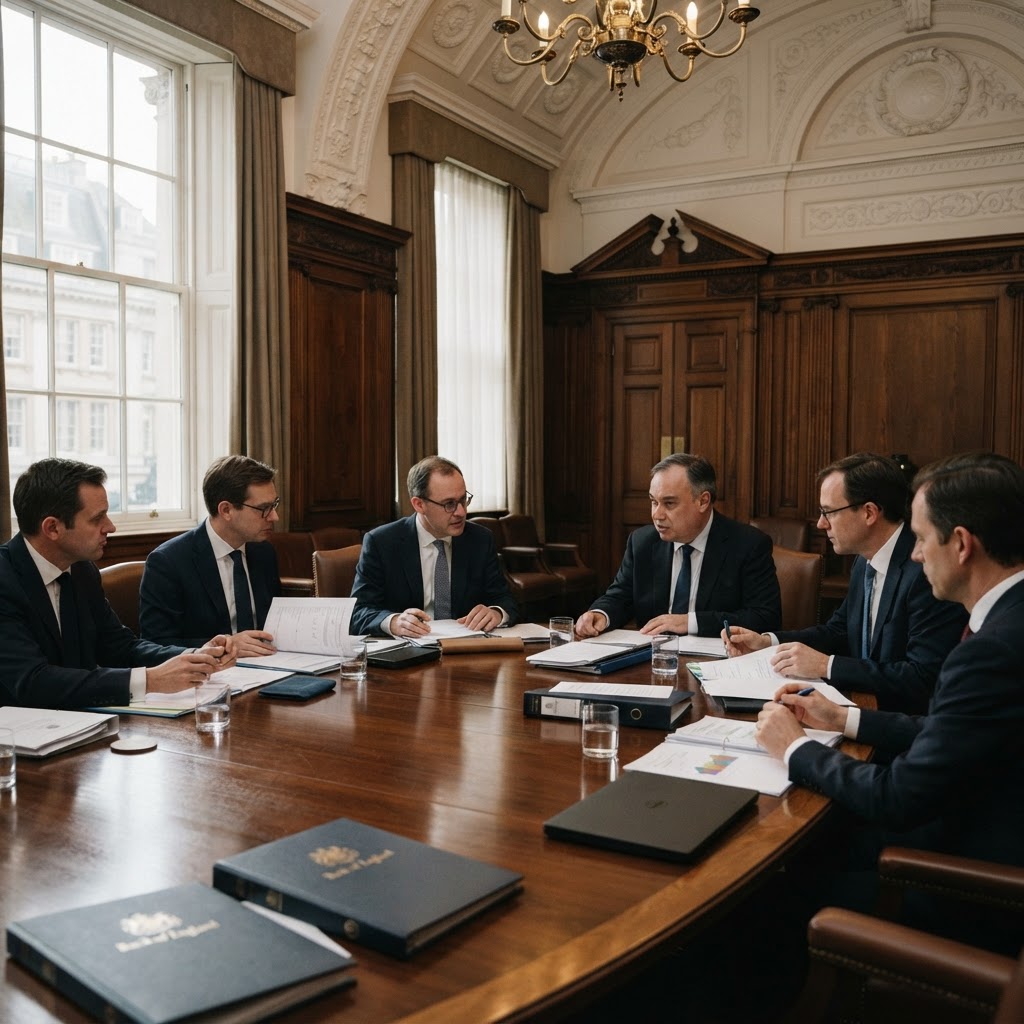
Threadneedle Street Faces a Monetary Tightrope as External Shocks Threaten Price Stability
As the Monetary Policy Committee prepares for its September meeting, shifting geopolitical sands and persistent domestic inflation data are testing the resolve of the Bank of England. Marcus Stone examines the intensifying debate over whether the current pause in rate adjustments can be sustained into the winter months.

Tech Sector Surge Propels UK Growth to Unexpected July Peak
The British economy defied sluggish forecasts with a 0.4 per cent expansion, as the artificial intelligence boom begins to pay dividends for the national balance sheet. Analysts now look to see if this momentum can withstand the persistent friction of elevated interest rates.

London Equities Recover as Services Strength Offsets Defensive Drag
The FTSE 100 has clawed back lost ground as optimism over Britain's economic trajectory returns to the Square Mile. Markets found steady footing on Friday, buoyed by robust service sector growth and a welcome cooling of volatility in the gilt markets.

Britain Faces Stark Economic Headwinds as IMF Flags Iran Conflict as Primary Growth Risk
The International Monetary Fund has issued a sobering assessment of the United Kingdom’s fiscal prospects, identifying the escalating conflict in Iran as a uniquely destabilising force for the nation. As growth forecasts are systematically revised downward, ministers now face the daunting task of shielding a fragile recovery from unprecedented geopolitical volatility.
Premium Access
Unlimited access to all our journalism
Subscribe to read every article, including subscriber-only investigations.
Subscribe from £9.99/mo