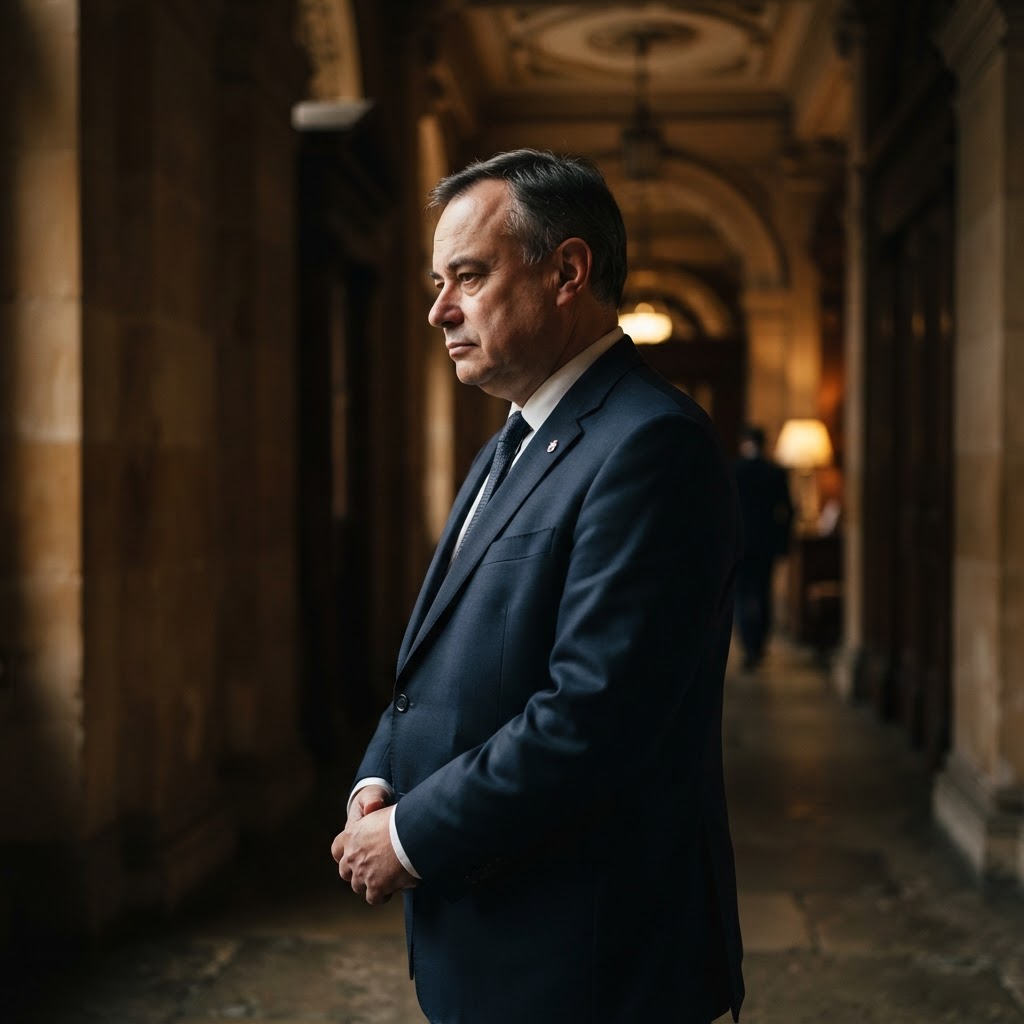

Threadneedle Street Signals Policy Pivot as Inflation Fears Intensify
Two senior members of the Monetary Policy Committee have indicated that a vote for higher borrowing costs is imminent. The shift comes despite a recent surge in equities that has seen the FTSE 100 reach fresh local highs.
CW
Charlotte Webb
Finance Correspondent
Published 27 September 2026·about 1 month ago 3 min read
Text
TopicsBank of EnglandMonetary PolicyInterest RatesUK EconomyFTSE 100Finance
About the Author
CW
Charlotte Webb
Finance Correspondent
Charlotte Webb reports for National Post UK with a focus on rigorous analysis and authoritative journalism — a trusted voice across British public life.
Reader Discussion · 4
Subscribers can join the conversation.
SUBSCRIBE TO COMMENT →E
Eleanor Rigby27 Sept
My mortgage deal comes up for renewal in the spring and I am absolutely dreading what the new rates will look like. It feels like we are being punished for a situation entirely out of our control.
D
David Thorne27 Sept
The MPC are simply reacting to headline numbers rather than addressing the structural issues in the supply chain. Raising the base rate is a blunt instrument that does very little to help with imported food and energy inflation.
S
Sarah Jenkins27 Sept
I worry that hiking rates now will only stifle what little growth we have left in the economy. We are already seeing high street businesses struggling to keep the lights on without making borrowing even more expensive.
A
Arthur Penhaligon27 Sept
It is about time the Bank of England woke up to reality. Those of us on fixed incomes have been decimated by the cost of living crisis while they sat on their hands for far too long.