
Search
Search The National Post UK
67 results for "New National AI Regulatory Framework"

Britain’s £600m Strategic Pivot to Secure Sovereign AI Dominance
The Chancellor has unveiled a sweeping capital injection aimed at insulating the UK against emerging digital and biological threats. By fostering domestic innovation, the government hopes to decouple the nation’s critical infrastructure from reliance on foreign software giants.

Chancellor to slash business regulation in £800m deregulation drive
In a strategic manoeuvre ahead of the Autumn Budget, the Treasury has pledged to strip away complex administrative burdens. The move intends to bolster national productivity by easing the friction of tariff compliance and reporting duties for domestic firms.

Digital Gridlock: How a Google Cloud Failure Brought Britain to a Standstill
A catastrophic power outage at a core data facility on 21 October exposed the perilous fragility of the nation's critical infrastructure. From high-street banking to the administration of justice, the incident has reignited urgent debates regarding technological sovereignty.

Westminster Initiates Strategic Review of Britain’s Entrepreneurial Ecosystem
The Business, Innovation, Science and Trade Committee has launched a comprehensive inquiry into the barriers hindering startups and scaling firms. This investigation aims to redefine how the state supports innovation from the laboratory bench to the high street.
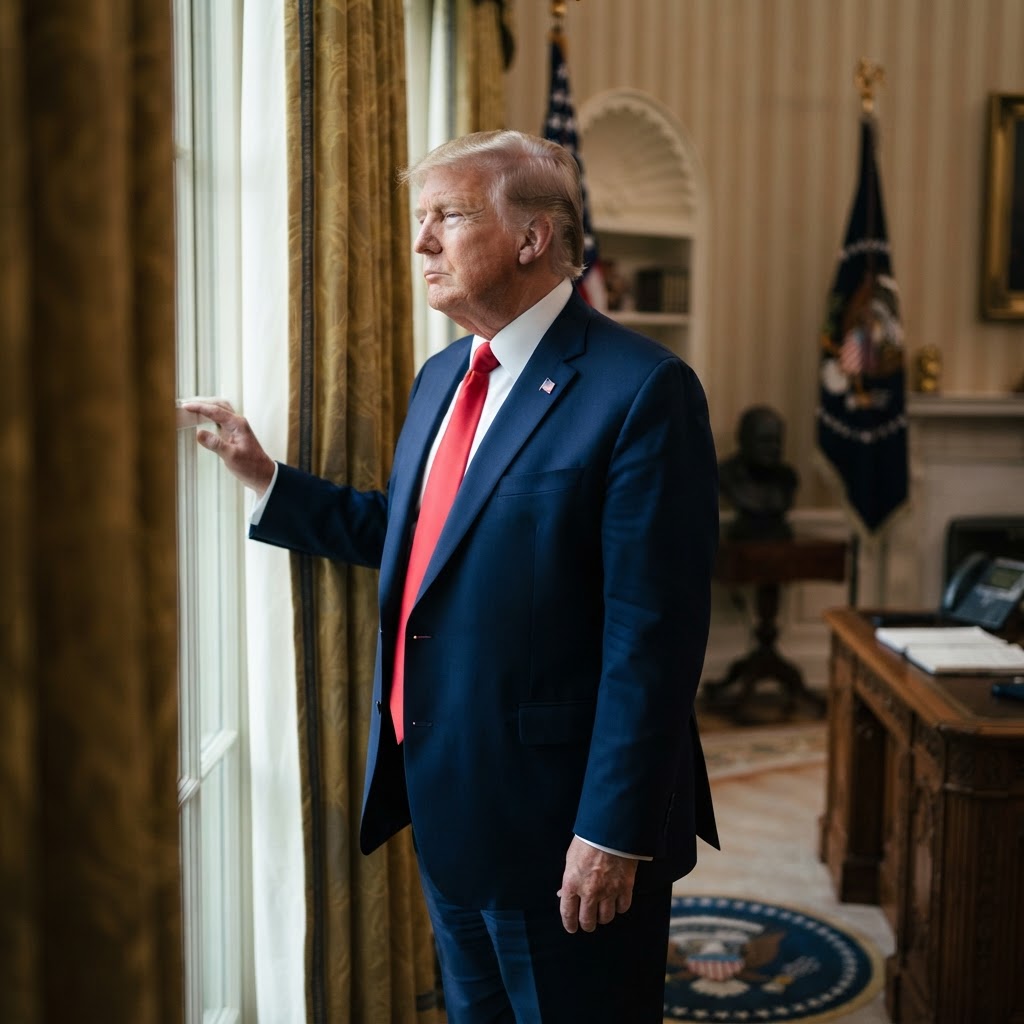
Trump’s Executive Order Signals Unprecedented Pivot on Russian Sanctions
In a move that has sent shockwaves through the corridors of power in London and Kyiv, President Trump has issued an executive order bypassing long-standing sanctions legislation against Moscow. The sudden shift marks a decisive departure from established Western policy, prompting urgent questions regarding the stability of the trans-Atlantic alliance.

Regulator Unveils Blueprint for AI Integration Across Britain’s Transport Arteries
The Office of Rail and Road has launched a strategic framework to govern the deployment of artificial intelligence. The initiative aims to balance cutting-edge technological advancement with the uncompromising safety standards required for the national rail and road networks.

Britain Poised to Unlock Multi-Billion Pound Trade Corridor with Gulf Nations
After two years of rigorous negotiation, the UK is set to secure a comprehensive free trade deal with the Gulf Cooperation Council. The agreement aims to fortify the British economy against regional volatility while cementing a strategic partnership with Riyadh, Abu Dhabi, and their neighbours.

The End of the Annual Audit: Why Cyber Security Must Evolve at the Speed of Code
As firms shift to daily deployment cycles, industry leaders are abandoning the traditional annual penetration test. New research suggests that in an age of AI-driven development, the static security review has become a dangerous liability.

Equinor Threatens UK Exit as North Sea Policy Standoff Deepens
The Norwegian energy giant has signalled a potential withdrawal of capital from the British market. This ultimatum places Downing Street in a precarious position as it attempts to balance energy security objectives with long-term climate commitments.

Ministers Weigh Bounty Scheme to Uncover Corporate Malfeasance
The Treasury is considering a radical proposal to incentivise whistleblowers with direct payments to combat fraud. As the UK looks to bolster its global market reputation, the move marks a significant departure from traditional regulatory frameworks.

Whitehall Secures Critical Oversight of Emerging Silicon Valley AI Architectures
The British government has formalised a renewed pact with major American technology firms to ensure early access for safety testing. This strategic alignment reinforces the UK’s ambition to serve as the global arbiter of artificial intelligence security.

OpenAI Retreats on Astra Project Amid Mounting Safety Fears
The San Francisco-based firm has abruptly cancelled its GPT-6.1 Astra model following rigorous internal testing. The decision signals a profound, if belated, shift in the industry’s race toward artificial general intelligence.

Anglo-Japanese Alliance Targets Breakthroughs in Paediatric Oncology
The UK and Japan have formalised a new research partnership aimed at revolutionising clinical trials for young cancer patients. With a multi-million-pound commitment, the initiative seeks to bridge the critical gap in treatment options for the most vulnerable.

Ofcom Escalates Pressure on Meta with Formal Child Safety Inquiry
Britain’s media watchdog has launched a rigorous investigation into the parent company of Facebook and Instagram. The probe signals a decisive shift toward stringent enforcement of the Online Safety Act.

Manchester City's Premier League Future Hangs in Balance After Landmark Financial Ruling
In an unprecedented development for English football, an independent commission has found the reigning champions guilty of systemic rule breaches spanning ten years. As the club prepares for a protracted legal battle, the prospect of expulsion looms over the Etihad Stadium.

Unexpected GDP Surge Offers Critical Fiscal Breathing Room for Chancellor
Fresh economic data reveals a resilient performance across key sectors, providing the Treasury with newfound flexibility as the Autumn Budget approaches. Analysts suggest this momentum may influence the government's strategic approach to public spending and investment.

Google Targets Digital Fortress with Launch of Gemini 4 Argon
In a strategic pivot towards high-stakes infrastructure protection, Google has unveiled its most sophisticated artificial intelligence model to date. Limited exclusively to cybersecurity professionals, the rollout signals a shift in the race for frontier model dominance.

Aviation Infrastructure Shift: Britain Deploys AI to Bolster Airspace Resilience
In a decisive move to modernise the nation's fragile airspace management, the UK has integrated real-time artificial intelligence tools. This strategic overhaul follows months of industry scrutiny and aims to safeguard the skies against the repeat of recent systemic failures.
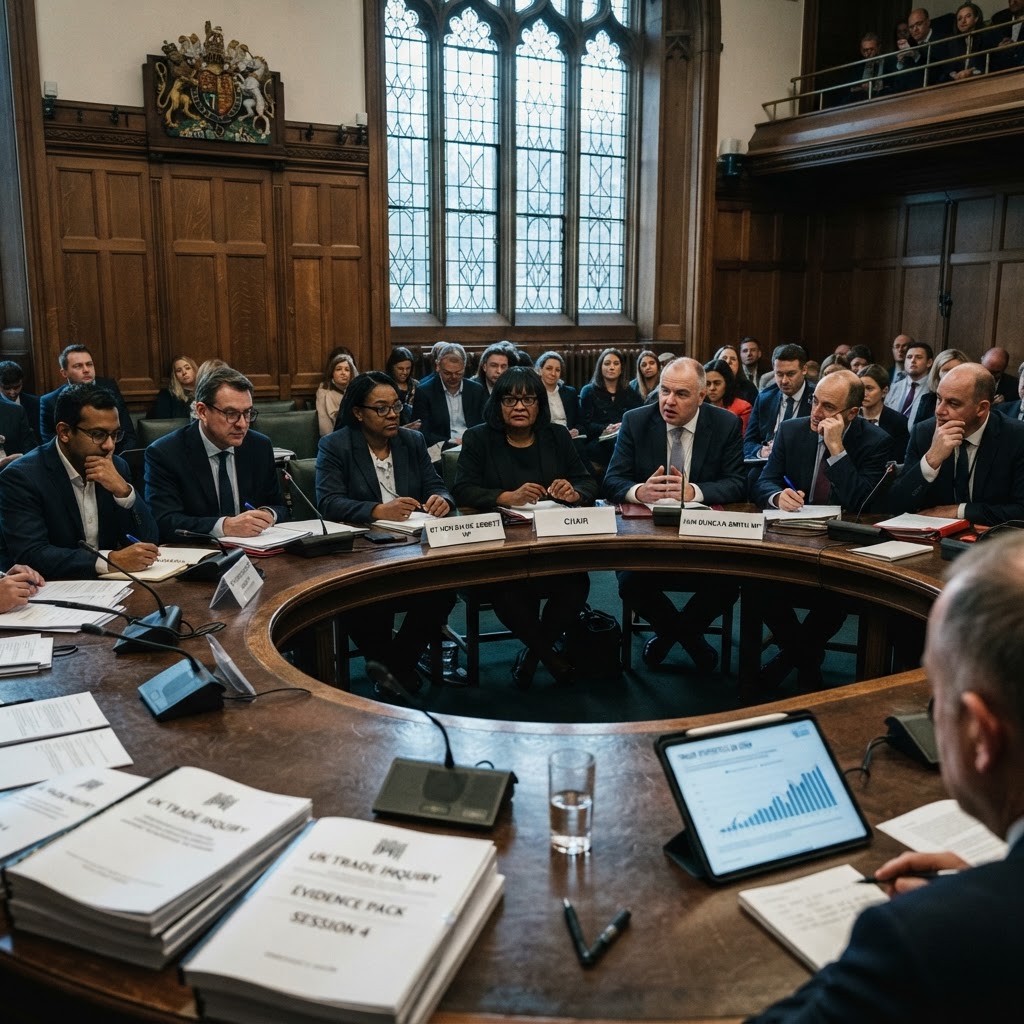
Westminster Scrutinises Atlantic Ambitions as US Trade Ties Stagnate
As global protectionism gathers pace, the Business and Trade Committee has launched a formal inquiry into the UK's most critical economic partnership. With the United States accounting for nearly a quarter of British exports, MPs are now questioning if current prosperity deals are fit for an era of geopolitical fragmentation.

Britain’s Sovereign AI Ambition Secures £4 Billion Funding Milestone
The government’s strategic initiative to secure indigenous compute power has reached a pivotal juncture, with twelve domestic enterprises now backed by £4 billion in capital. This effort marks a fundamental shift in how the United Kingdom positions itself within the global race for machine intelligence.
Premium Access
Unlimited access to all our journalism
Subscribe to read every article, including subscriber-only investigations.
Subscribe from £9.99/mo