Aviation Infrastructure Shift: Britain Deploys AI to Bolster Airspace Resilience
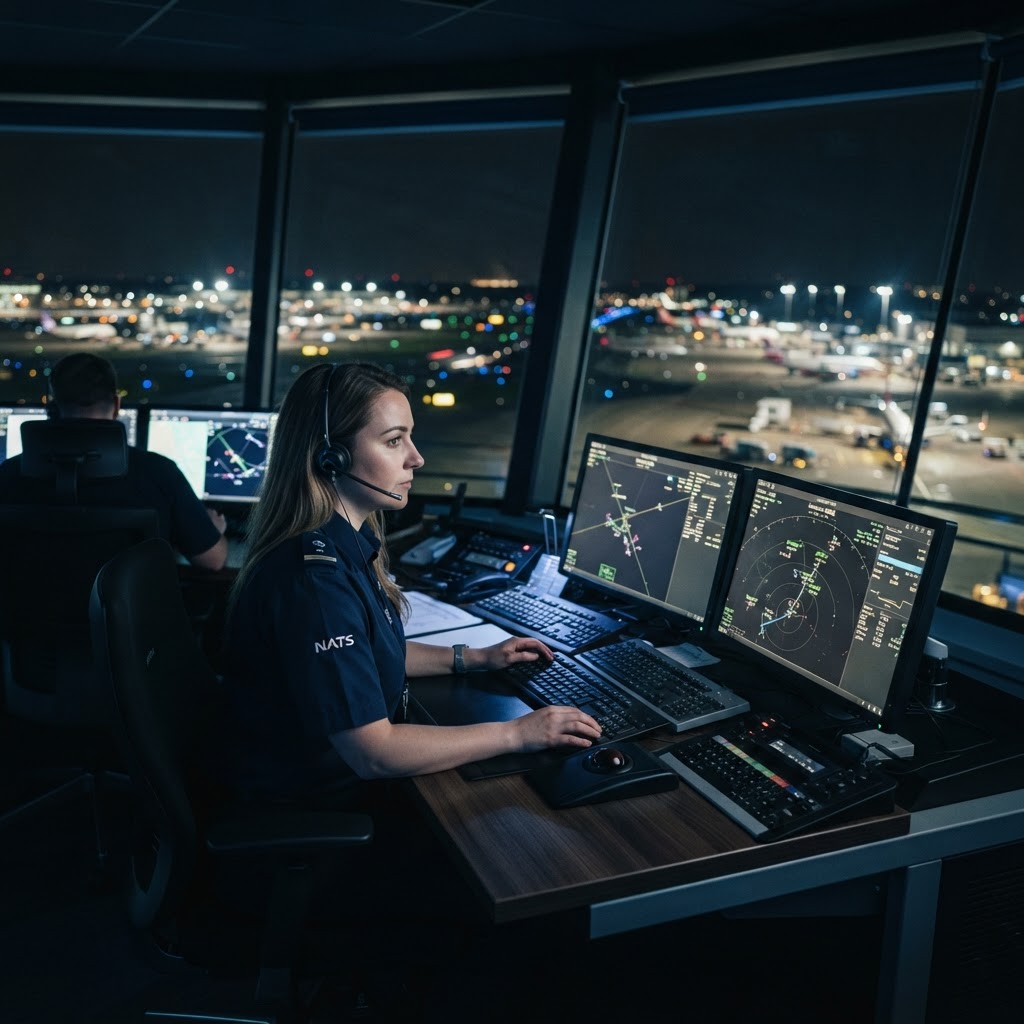
In a decisive move to modernise the nation's fragile airspace management, the UK has integrated real-time artificial intelligence tools. This strategic overhaul follows months of industry scrutiny and aims to safeguard the skies against the repeat of recent systemic failures.
NF
Natalie Forsythe
Travel Editor
Published 1 October 2026·about 17 hours ago 3 min read
Text
TopicsAviationArtificial IntelligenceUK TransportCivil Aviation AuthorityInfrastructure
About the Author
NF
Natalie Forsythe
Travel Editor
Natalie Forsythe reports for National Post UK with a focus on rigorous analysis and authoritative journalism — a trusted voice across British public life.
Reader Discussion · 11
Subscribers can join the conversation.
SUBSCRIBE TO COMMENT →C
Claire Higgins1 Oct
Integration of these systems is a smart move given the increasing pressure on our flight corridors. As long as the NATS engineers have vetted the code properly, this should improve safety margins significantly.
M
Marcus Vane1 Oct
We should be careful not to over-rely on algorithms. Experience matters when unexpected weather conditions hit, and I fear we might be losing some of that expertise by leaning too heavily on digital tools.
E
Elaine Morris1 Oct
Last week I spent three hours sat on the tarmac at Gatwick waiting for a slot. Anything that helps manage the airspace more efficiently gets my vote.
D
David Thorne1 Oct
It is worth noting that this is primarily a decision-support system, not full automation. The human element remains in the loop to make the final judgement, which should reassure those worried about safety.
S
Sarah Jenkins1 Oct
I am a bit skeptical about relying on AI for something as critical as air traffic control. What happens if there is a software glitch or a cyber attack during a busy period?
D
David Foster1 Oct
Automation in the tower is one thing, but we must ensure these systems are fully resilient against cyber threats. Increased connectivity always brings new vulnerabilities that we cannot afford to overlook.
A
Arthur Pendelton1 Oct
About time we brought the systems into the 21st century. If this reduces the ridiculous delays we see at Heathrow during peak summer, then it is a massive win for the country.
E
Elaine Bennett1 Oct
I wonder if this will actually reduce the number of delays we face at Heathrow. It seems like every time I fly, I am sitting on the tarmac waiting for a slot, so I hope this technology delivers real results.
M
Marcus Thorne1 Oct
It is about time our infrastructure entered the 21st century. Other European nations have been trialling these systems for a while now, and we have been lagging behind significantly.
S
Sarah Jenkins1 Oct
I am a bit skeptical about relying on algorithms for something as critical as aviation. I would feel much better knowing there is always a human eye on the final decision, especially with the weather conditions we get in the UK.
A
Arthur Penhaligon1 Oct
This sounds like a sensible upgrade. Our air traffic controllers are under enough pressure as it is, and if AI can help manage the workload during busy periods, it can only improve safety.