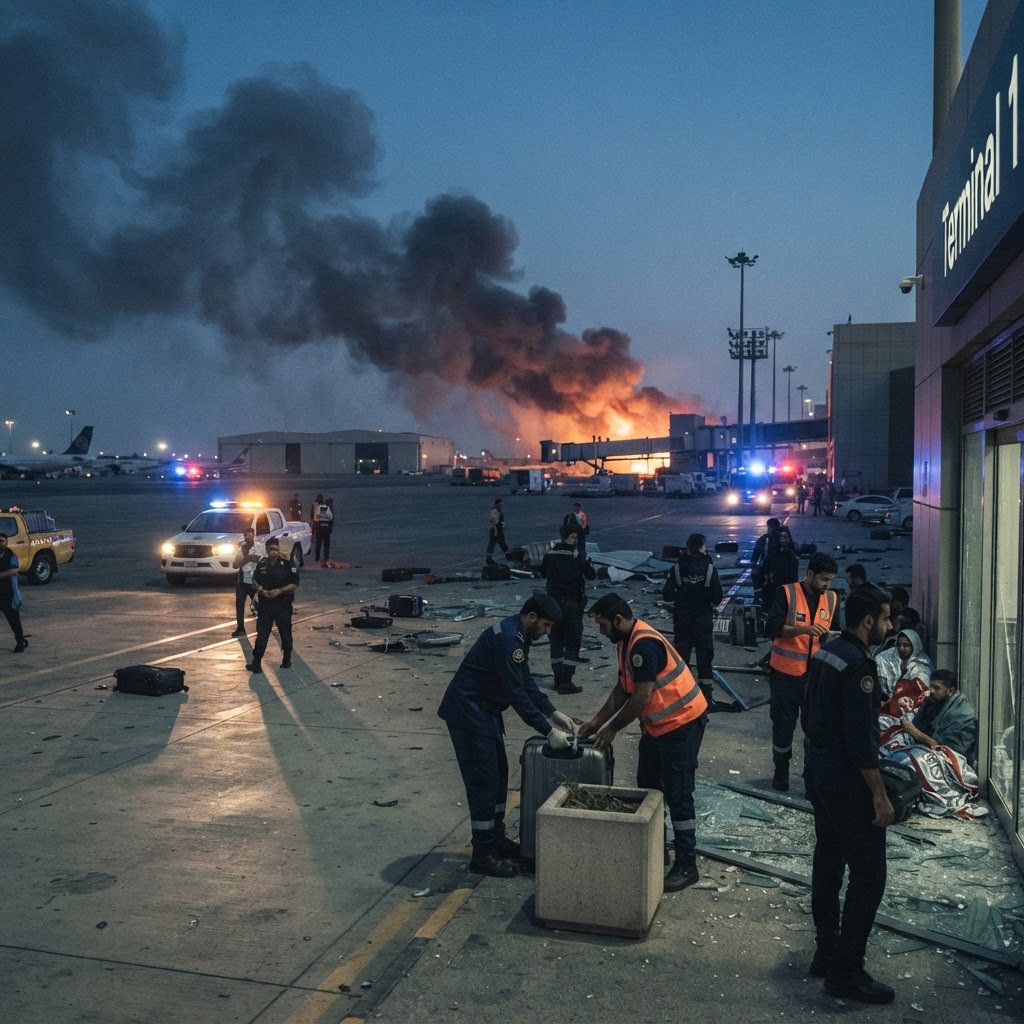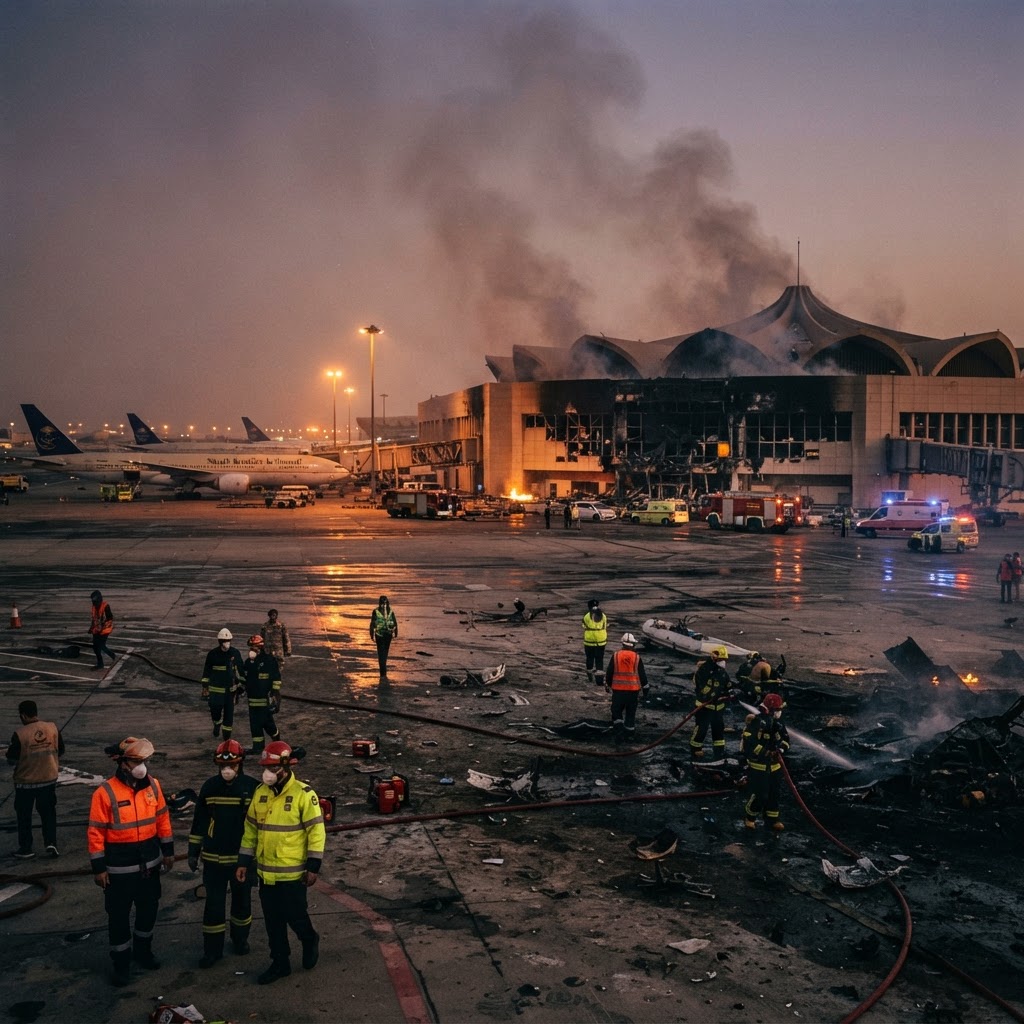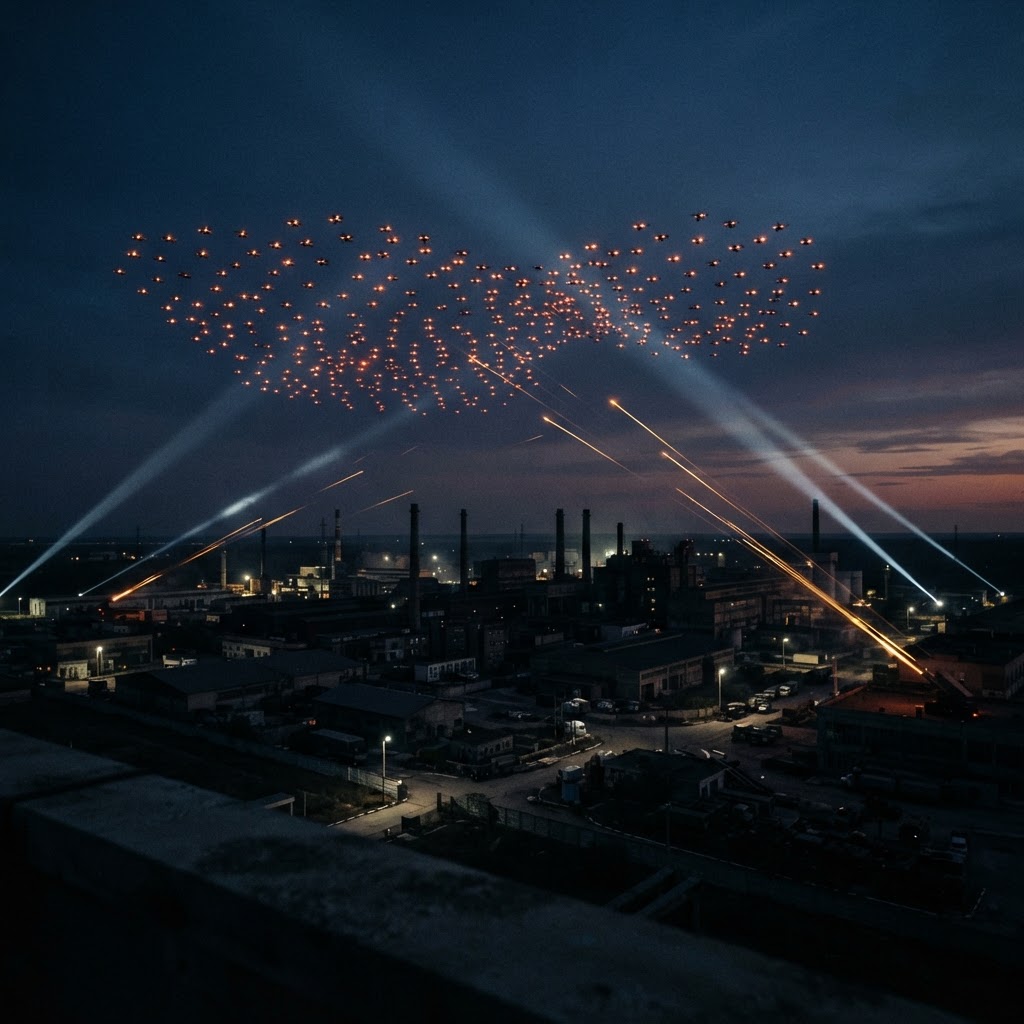
A Watershed Moment in Modern Combat The skies over western and central Russia were lit by the persistent hum of engines and the subsequent glow of detonations on 20 September 2026, as Ukraine executed a drone operation of staggering complexity. By deploying more than 1,000 unmanned aerial vehicles simultaneously, Kyiv has effectively abandoned the incremental approach to long-range strikes that defined the earlier years of the conflict. This manoeuvre represents not merely a technical upgrade, but a doctrinal evolution, designed to overwhelm Russian air defence networks through sheer saturation.
For analysts watching from London and Brussels, the scale of this offensive is startling. Western military intelligence has long speculated on the potential for swarm technology to neutralise layered air defences, yet the practical application of such a strategy on this magnitude remains an anomaly in modern state-on-state warfare. By forcing Russian batteries to track, engage, and intercept a target set of this density, Ukraine has demonstrated a refined capacity for command and control that few expected to see mature at this stage of the war.
The Logistics of Saturation While the Kremlin has yet to disclose the full extent of the damage, the coordination required to manage 1,000 distinct flight paths suggests a sophisticated logistical backbone. Domestic production of long-range drones, coupled with strategic decentralisation, has allowed Kyiv to bypass the traditional bottlenecks of conventional missile procurement. This is a form of asymmetric warfare scaled to symmetric proportions.
Dr Eleanor Vance, a senior fellow at the Royal United Services Institute, notes that the implications for Russian military architecture are severe. 'This is no longer about hitting a specific fuel depot or a single command post,' she explained. 'This is about forcing the Russian command to acknowledge that their defensive perimeter is porous. If they use their most advanced interceptors against cheap, disposable drones, they rapidly deplete their high-value missile stocks. If they withhold fire, they leave critical infrastructure exposed. It is a classic dilemma of modern attrition.'
Strategic Shifts and British Perspectives In Whitehall, the reaction has been one of cautious observation. Britain has been a staunch proponent of providing Ukraine with the technical expertise needed to modernise its targeting capabilities, and this latest offensive appears to reflect an integration of Western intelligence sharing with indigenous Ukrainian ingenuity. The shift is tactical, but the strategic outcome may be geopolitical, as Russia is forced to divert its focus from frontline aggression to the protection of its own sovereign territory.
There is also the matter of morale and public perception. For months, the Russian narrative has leaned heavily on the idea that the war is a remote affair for those living in the capital and other major urban centres. A coordinated aerial strike reaching deep into the Russian interior challenges that veneer of normalcy. It brings the harsh reality of the conflict home, creating a domestic pressure point for Moscow that may necessitate a reassessment of its defensive posture across its vast borders.
“This is no longer about hitting a single command post; this is about forcing the Russian command to acknowledge that their defensive perimeter is fundamentally porous.”
Looking Ahead As the sun rose on 21 September, the full operational impact of the drone swarm remained a subject of intense analysis. Reports from local observers inside Russia suggested widespread power outages and logistical disruptions, though official channels remained predictably tight-lipped. The coming days will likely reveal whether this was a singular, decisive act of defiance or the first in a series of planned, high-intensity salvos.
Ultimately, Ukraine has signalled that the conventional constraints of this war are being rewritten. By weaponising volume and coordination, Kyiv has ensured that the tactical advantage no longer rests solely with the side possessing the larger arsenal. The thousand-drone strike of 20 September will almost certainly be studied for years to come as the moment that aerial warfare fundamentally changed, proving that the future of conflict is smaller, cheaper, and far more pervasive than the titans of military history ever envisioned.