The assault on Saudi Arabia's primary aviation hub has resulted in significant loss of life, including a United States national. As casualty figures climb, international observers warn of a precarious new phase in the protracted Yemen-led hostilities.
A Violent Breach of Security
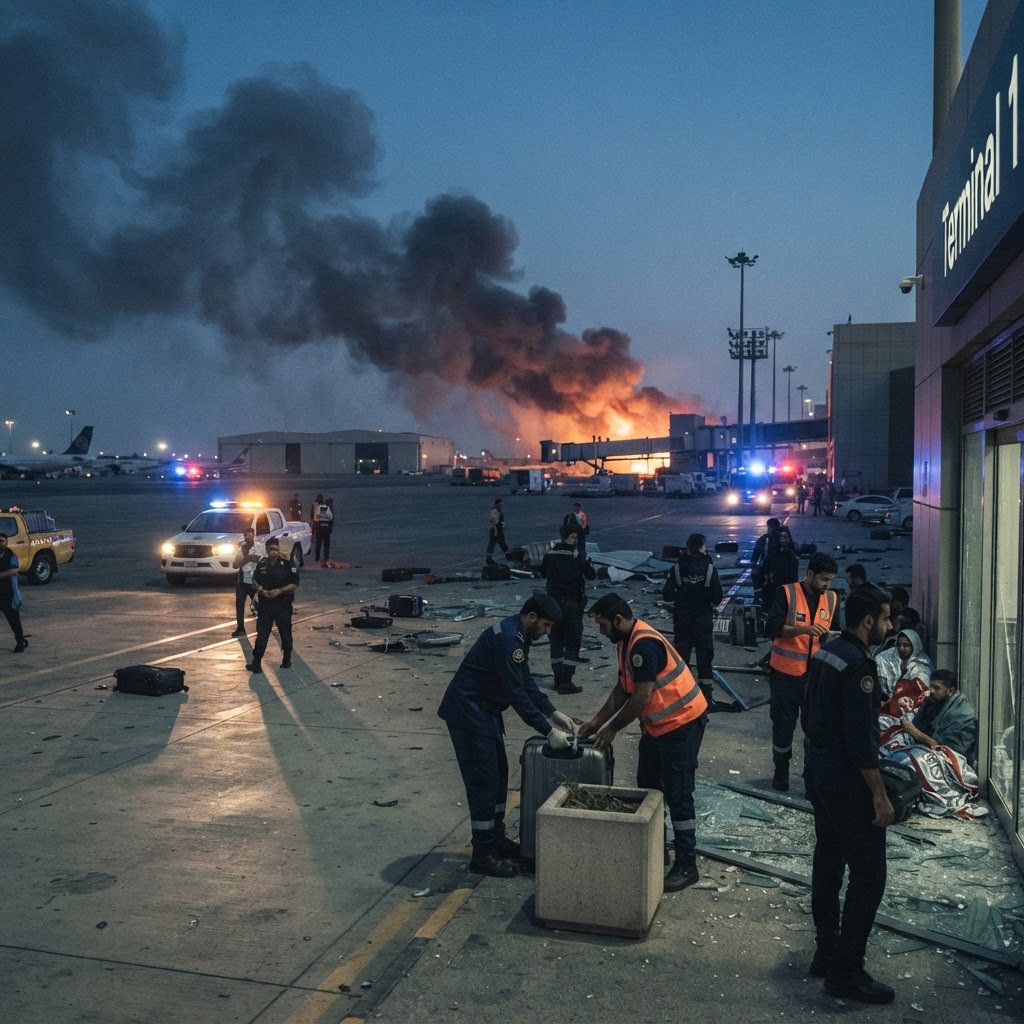
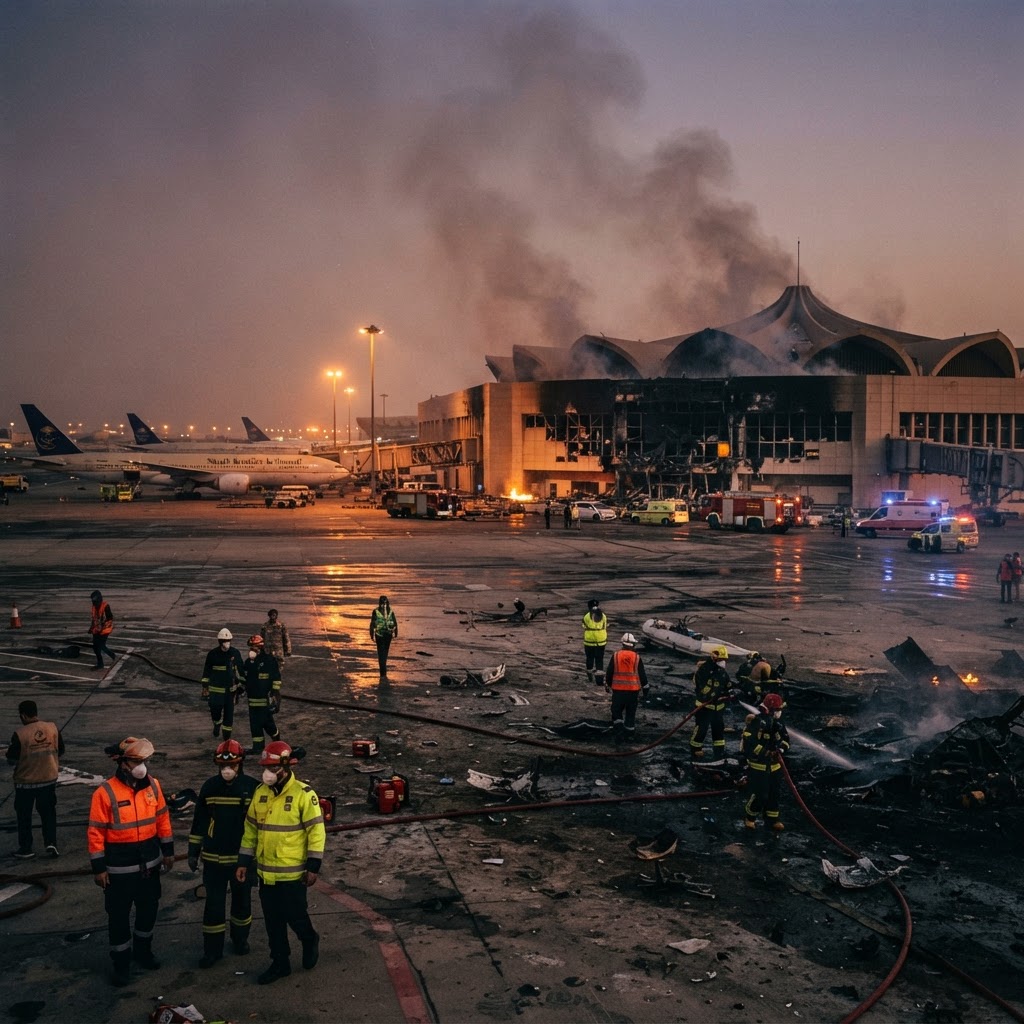
The fragile equilibrium of Middle Eastern stability suffered a profound fracture in the early hours of Monday morning as a sophisticated missile strike targeted the heart of Riyadh International Airport. Saudi authorities confirmed the gravity of the assault, reporting 12 fatalities and more than 300 individuals sustaining injuries. The strike, which bypassed sophisticated air defence systems that have become a hallmark of the capital's perimeter security, has sent shockwaves through the international diplomatic community. Among the deceased, the United States State Department has formally acknowledged the loss of one American citizen, a detail that is expected to complicate the geopolitical response from Washington.
Escalation in the Red Sea Theatre
For months, the conflict involving Houthi rebels and the Saudi-led coalition has primarily played out in the peripheral zones of the Red Sea and within the internal borders of Yemen. This calculated targeting of a primary civilian transit artery represents an alarming deviation from previous engagement patterns. Analysts suggest that the use of advanced munitions indicates a significant leap in the technical capabilities of the insurgent forces, potentially assisted by regional state actors. Whitehall sources have expressed deep concern, noting that the incident signifies the collapse of de facto deterrents that have ostensibly kept the capital's infrastructure safe from large-scale direct kinetic impact.
The International Reaction
In London, the Foreign, Commonwealth and Development Office has urged immediate de-escalation, noting that the safety of international travel corridors is a fundamental tenet of global security. Prime Minister Sir Keir Starmer's government is expected to join an emergency session at the United Nations later this week. The inclusion of a U.S. citizen in the casualty list ensures that the incident will not be treated as a purely regional affair; rather, it will necessitate a robust response from the North Atlantic alliance partners who have long maintained a presence in the Gulf. Military experts are currently assessing how the projectile penetrated the Kingdom's defensive umbrella, questioning whether this points to a failure in radar coverage or the emergence of new, low-observable technologies that can evade traditional tracking systems.
Humanitarian and Economic Repercussions
The scale of the injury count, numbering well into the hundreds, has overwhelmed local hospital services in Riyadh. Beyond the immediate tragedy, the long-term economic fallout for the Kingdom’s ambitions as a global transit hub is immense. As insurers re-evaluate the risk profile of Saudi aviation, travellers and cargo operators face a period of immense uncertainty. This was not merely an attack on a target of strategic military value; it was a strike on the international connectivity that the Saudi Vision 2030 project has spent years fostering. Domestic opinion within Saudi Arabia is expected to harden, likely forcing the Crown Prince’s administration to weigh the domestic demand for retribution against the risks of triggering a broader, multi-front war that would engulf the entire Arabian Peninsula.
The Path Ahead
As recovery efforts at the terminal building continue, the question remains whether this event serves as a conclusion to a specific campaign or the opening salvo of a more destructive regional war. The intelligence services of the West are now scrutinising the supply chains behind this weaponry, looking for evidence of direct intervention from Tehran. If such links are conclusively established, the diplomatic pressure on the Iranian regime will reach a boiling point unseen since the regional thaw began. For now, the world waits to see how a grieving nation and a nervous international community will navigate this new, volatile landscape.