A Watershed Moment for the Middle East The geopolitical architecture of the Middle East underwent a seismic transformation this morning following the confirmed deaths of Supreme Leader Ayatollah Ali Khamenei and a cadre of the Islamic Republic’s most senior military and political architects. The joint operation, conducted by United States and Israeli forces, represents the most significant escalation in the region since the late twentieth century, effectively decapitating the clerical and security apparatus that has defined Iranian foreign policy for decades.
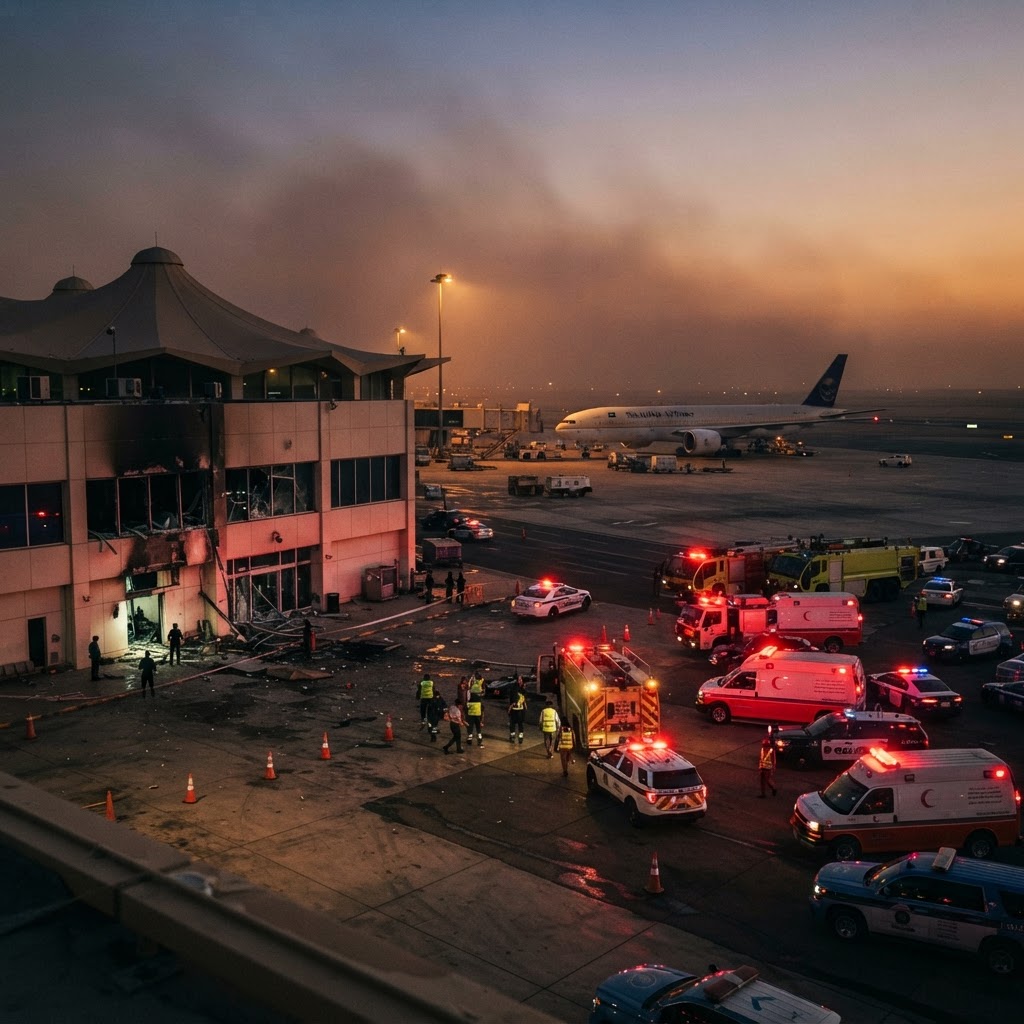
Reports from the Gulf indicate that the precision strikes, which took place under the cover of darkness, targeted command centres in Tehran and subterranean assets across the western provinces. While Washington and Tel Aviv have maintained a posture of strategic ambiguity regarding the technical specifics of the mission, the implications are unambiguous: the long-standing shadow war between the West and the Islamic Republic has transitioned into an open, existential struggle.
The Threat to Global Commerce In the immediate aftermath of the strike, the remnants of the Iranian leadership issued a chilling communique, warning that any further hostilities would be met with an asymmetric response targeting the economic veins of the Gulf. Specifically, the regime threatened to mobilise its proxy networks to sabotage oil production facilities and the burgeoning artificial intelligence data centres that have come to represent the modern infrastructure of the Arabian Peninsula. For London, these threats are of direct concern. The City remains heavily exposed to fluctuations in energy markets, and any disruption to the Strait of Hormuz—through which a significant portion of the world’s liquefied natural gas and crude oil passes—could trigger an inflationary shock that the UK economy is ill-equipped to absorb.
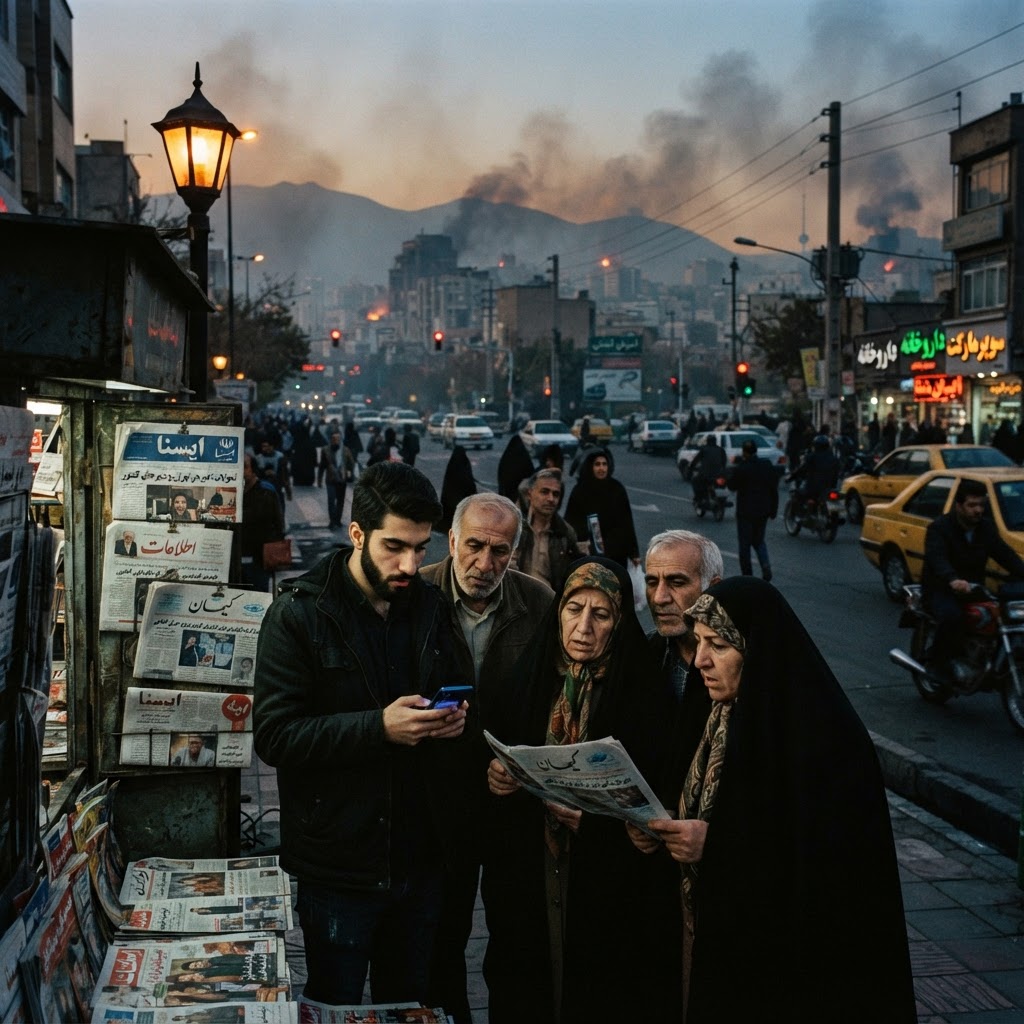
The View from Westminster In Westminster, the mood is one of cautious apprehension. Foreign Office officials have spent the day in emergency briefings, attempting to coordinate a unified response with European allies. Whitehall sources suggest that while the government acknowledges the necessity of checking Iranian influence in the region, there is profound anxiety regarding the absence of a clear succession plan in Tehran. The vacuum left by the death of the Supreme Leader invites a dangerous period of internal factionalism, which may encourage harder-line elements within the Islamic Revolutionary Guard Corps to lash out prematurely.
Dr. Eleanor Vance, a senior fellow at the Royal United Services Institute, notes that the collapse of the central command structure in Iran creates a ‘paradox of danger’. She argues that while the state's strategic capacity to wage war may be temporarily degraded, the threat of uncoordinated, rogue-actor retaliation is at an all-time high. The move toward digitised infrastructure in the Gulf, while economically sound, has provided Iran with a novel set of high-value, high-vulnerability targets that could be paralysed by state-sponsored cyber warfare.
The Prospect of Regional Instability As the international community reflects on the loss of life, the focus must shift to the urgent requirement for diplomatic de-escalation. The Levant, already fragile, stands on the precipice of a broader conflagration. With regional powers adjusting their strategic calculations in real-time, the risk of miscalculation is significant. The coming weeks will test the strength of the NATO alliance and its ability to project stability in an environment where traditional diplomatic channels have effectively disintegrated.
For the British government, the priority must be the protection of maritime transit routes. The Royal Navy, already operating at a high tempo in the region, will likely be tasked with reinforcing the presence of coalition fleets to deter any imminent threats to commercial shipping. Whether this serves as a deterrent or a provocation remains a matter of intense debate within the Cabinet. One thing is certain: the era of managed tension has ended, replaced by a volatile reality that threatens the stability of the global energy and technological order.
“The vacuum left by the death of the Supreme Leader invites a dangerous period of internal factionalism, which may encourage harder-line elements to lash out.”