The Shadow of Strategic Realignment The geopolitical landscape of the Middle East has undergone a profound shift this week as senior American and Israeli defence officials accelerate clandestine discussions regarding a potential military engagement with the Islamic Republic of Iran. Following a series of tactical setbacks that have reportedly dismantled key echelons of Tehran’s security architecture, the primary focus in Washington and Jerusalem has transitioned from diplomatic posturing to active contingency planning.
For the government in London, the implications of these developments are immediate and grave. With the Royal Navy maintaining a consistent presence in the Gulf, the prospect of a direct confrontation between Western allies and Iran poses a significant challenge to the stability of the international rules-based order. Foreign Office sources, speaking on condition of anonymity, indicated that the government is engaged in ‘intensive dialogue’ with counterparts across the Atlantic to ensure that any prospective action is calibrated against the necessity of preserving regional security.
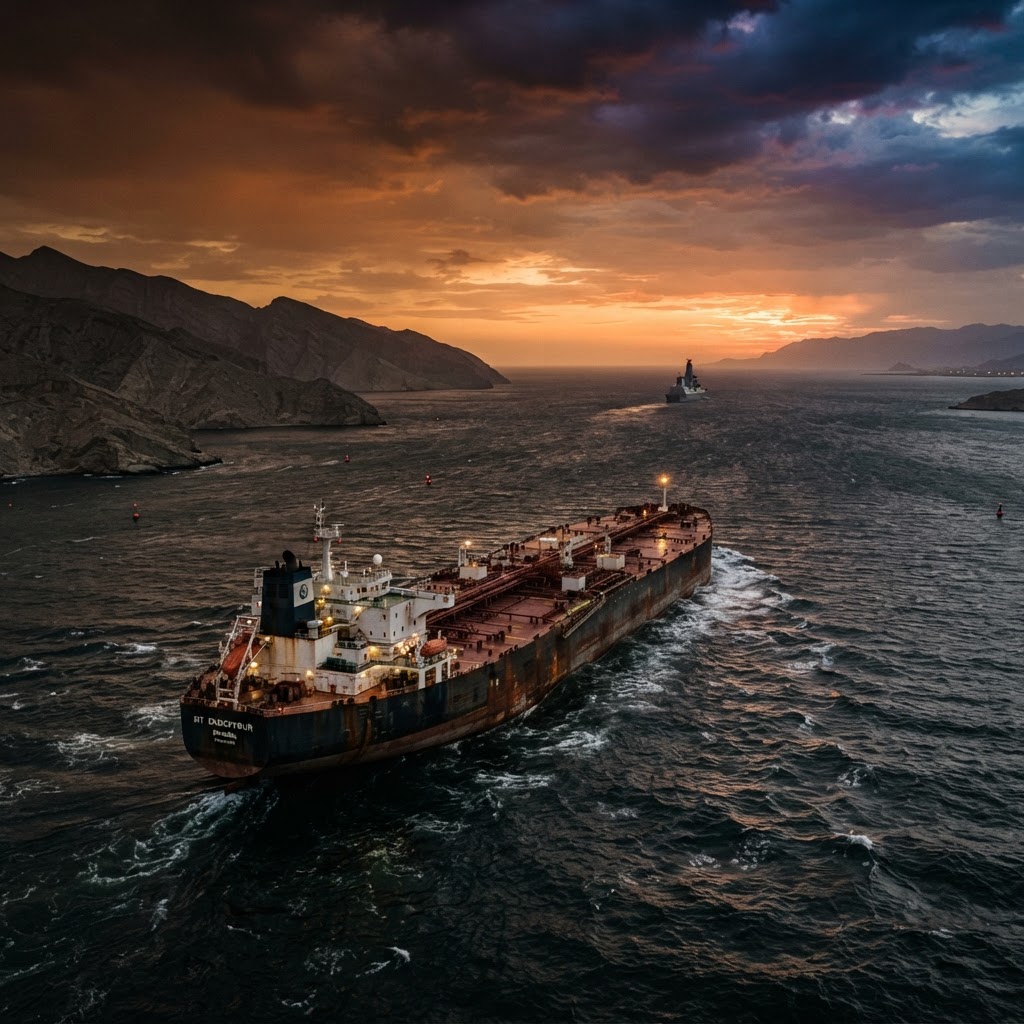
Maritime Arteries Under Duress Perhaps the most pressing concern for the global economy remains the physical security of the world’s most critical maritime chokepoints. The Strait of Hormuz, through which a significant portion of the world’s liquefied natural gas and crude oil transits, has long been viewed as the most vulnerable flank of global trade. Intelligence assessments reviewed by the National Post suggest that Tehran may view the closure or disruption of this narrow passage as a necessary asymmetric response to a military strike.
Similarly, the situation at the Suez Canal has become a focal point for maritime insurers and trade analysts. The fragility of these routes, when combined with the threat of state-sponsored naval interdiction, has prompted urgent discussions among energy conglomerates regarding the viability of alternative logistical corridors. The prospect of an extended blockade is already forcing a spike in insurance premiums for commercial vessels operating in the region, a burden that is likely to manifest in higher energy costs for the British consumer by the winter months.
The Diplomatic Conundrum Diplomatic channels, which have functioned as a thin veneer of stability over the past decade, now appear increasingly frayed. The recent reports regarding the decimation of Iranian leadership have left the regime in Tehran in a state of flux, complicating the ability of Western diplomats to gauge whether a de-escalation pathway remains open. Conservative analysts in London argue that the traditional doctrine of containment has reached its zenith, and that the current strategic coordination marks a transition toward a more assertive, kinetic policy.
‘We are witnessing the end of the era of ambiguity,’ noted Dr. Alistair Finch, a senior fellow at the Royal United Services Institute. ‘The synchronisation between Washington and Jerusalem suggests a departure from mere deterrence. The objective now appears to be the systematic neutralisation of Iran’s ability to project power, even at the risk of regional conflagration.’
“The synchronisation between Washington and Jerusalem suggests a departure from mere deterrence; the objective now appears to be the systematic neutralisation of Iran’s ability to project power.”
Preparing for the Unthinkable As the international community watches, the underlying reality is one of profound uncertainty. While neither the White House nor the Prime Minister’s office has confirmed a definitive timeline for any action, the military posturing in the Eastern Mediterranean and the Persian Gulf speaks for itself. For the British government, the task is twofold: supporting an ally against the persistent threat of regional expansionism, while simultaneously preventing a humanitarian and economic catastrophe that would inevitably follow a large-scale conflict.
The coming weeks will likely prove decisive. If the current trend of intelligence-sharing and strategic alignment continues, the threshold for military intervention may be crossed sooner than anticipated. For now, the world remains in a state of suspended animation, awaiting the next move in a contest where the stakes have never been higher.