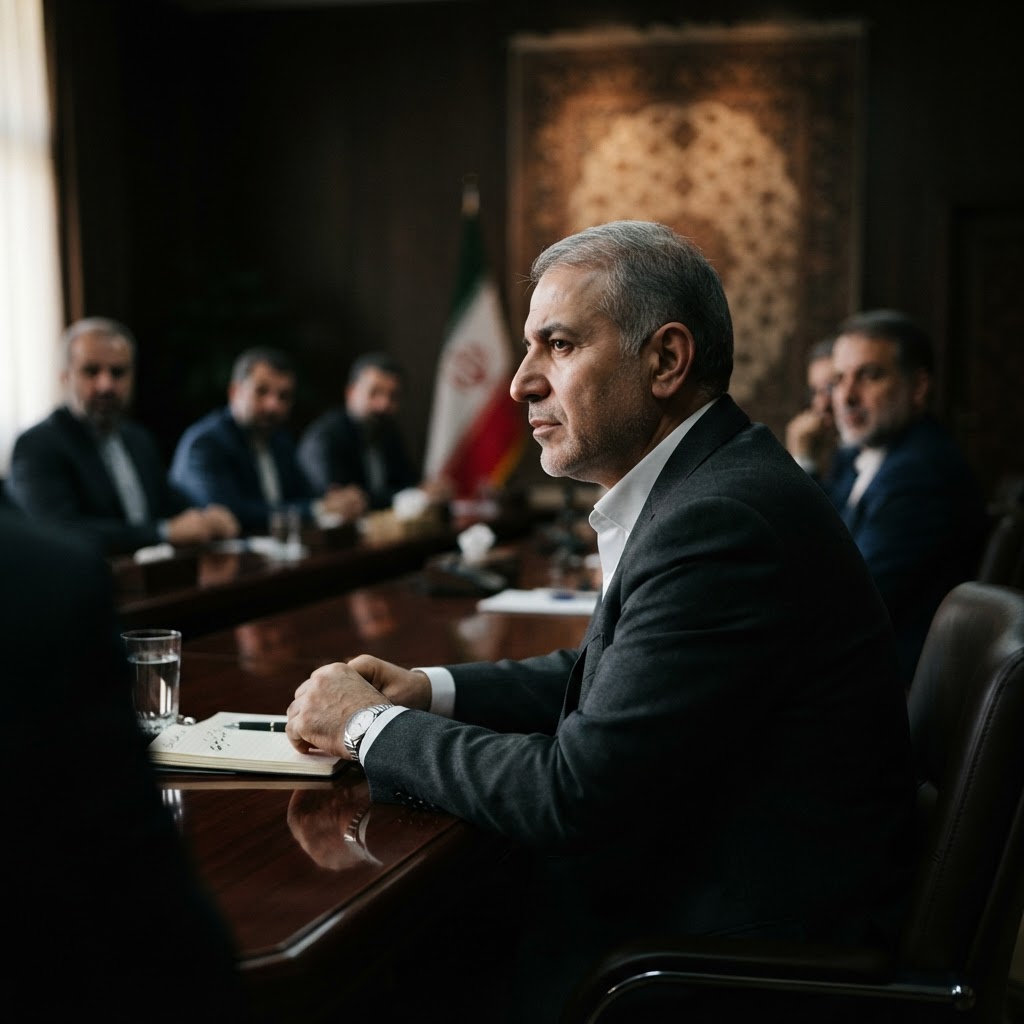
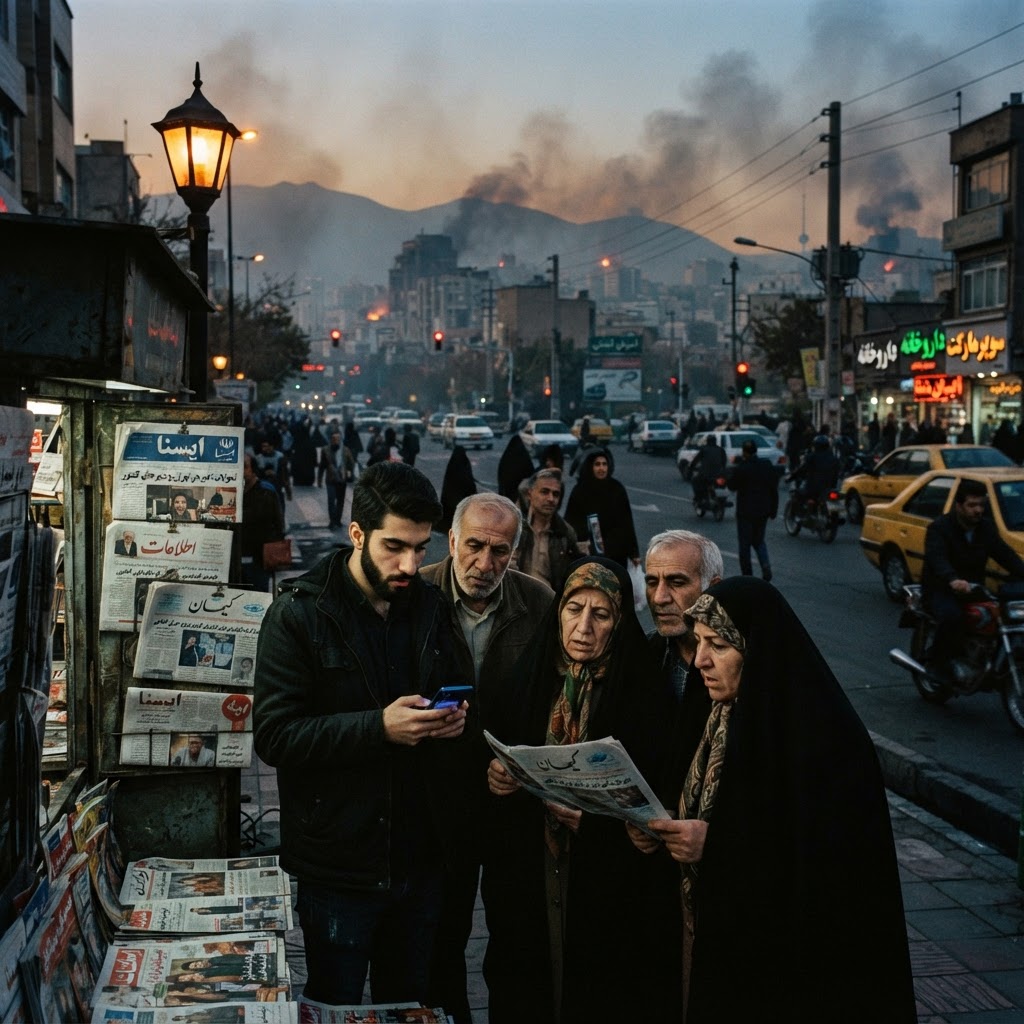
Brent crude has eased from recent six-month peaks as regional mediators descend upon the Iranian capital. The development arrives as Washington signals a definitive pivot point in its approach to Tehran’s nuclear ambitions.
A Brief Respite for Global Energy
The relentless climb of Brent crude, which had surged to a six-month high last week, faltered on Tuesday as market participants reacted to signs of intensified back-channel diplomacy. Prices slipped below the $116 threshold, reflecting a cautious optimism that the fever-pitch rhetoric dominating the Middle East may finally be yielding to the pragmatism of regional mediation. The volatility, which has exacerbated inflationary pressures across the City of London and beyond, now appears to be moderating as stakeholders reassess the immediate risk of a kinetic conflict.
The Mediation Effort
Senior diplomatic delegations from Saudi Arabia and Turkey have descended upon Tehran in a coordinated bid to lower the temperature. For Riyadh, the objective is twofold: protecting the integrity of regional infrastructure and insulating its own economy from the shocks of a renewed conflict. Ankara, meanwhile, continues to position itself as the indispensable interlocutor between the West and the Islamic Republic. Sources close to the proceedings suggest that the focus is on establishing a series of 'red line' safeguards designed to prevent a miscalculation that could trigger a wider regional conflagration.
The View from Washington
In the United States, the strategic calculus remains shrouded in the opacity typical of an administration navigating the post-election landscape. President Donald Trump has publicly characterised the current impasse as a 'decision time' for the future of the American-Iranian relationship. His language implies that the window for a negotiated settlement is closing, forcing a binary choice between a revised diplomatic framework and a more aggressive posture aimed at fundamentally altering Tehran’s regional influence. This ambiguity has left Western capitals—most notably London—in a state of heightened readiness, as they anticipate either a significant policy shift or an escalation in sanctions.
Assessing the Risk
To navigate this precarious environment, the diplomatic community has turned to veteran voices. Daniel Shapiro, the former US Ambassador to Israel, has been actively engaged to provide a forensic assessment of the threat landscape. His brief is comprehensive, tasked with evaluating how the political churn following recent electoral cycles in both the US and Israel has recalibrated the risk appetite of regional actors. Analysts suggest that Shapiro’s involvement indicates a desire within the international intelligence community to move beyond reactionary measures toward a more proactive, risk-managed strategy.
Tehran’s Strategic Posture
Despite the prevailing anxiety, Iranian Foreign Minister Abbas Araghchi has struck a notably measured tone. In recent briefings, Araghchi affirmed that his government has no intention of initiating an offensive, framing the current regional posturing as defensive rather than preparatory for war. This assertion is viewed with profound scepticism in Washington and Tel Aviv, yet it has provided just enough cover for the current diplomatic overtures to gain momentum. For European powers, the challenge lies in distinguishing between genuine de-escalation and the tactical pauses that Tehran has historically employed to relieve economic pressure while continuing its technical advancements.
The Economic Horizon
For the UK, the fluctuations in oil prices carry significant weight. With the cost of energy inextricably linked to the broader macroeconomic recovery, the Foreign Office is monitoring the Tehran talks with more than just a passing interest. A sustained de-escalation would offer a welcome reprieve to British industry, yet officials remain wary of the fragility of the current peace. The consensus among energy analysts is that until a formal, verifiable agreement is reached, the market will remain hostage to the slightest hint of renewed hostility. As the week progresses, the eyes of the global community remain fixed on Tehran, waiting to see if these tentative diplomatic steps can hold firm against the gravitational pull of historical animosity.