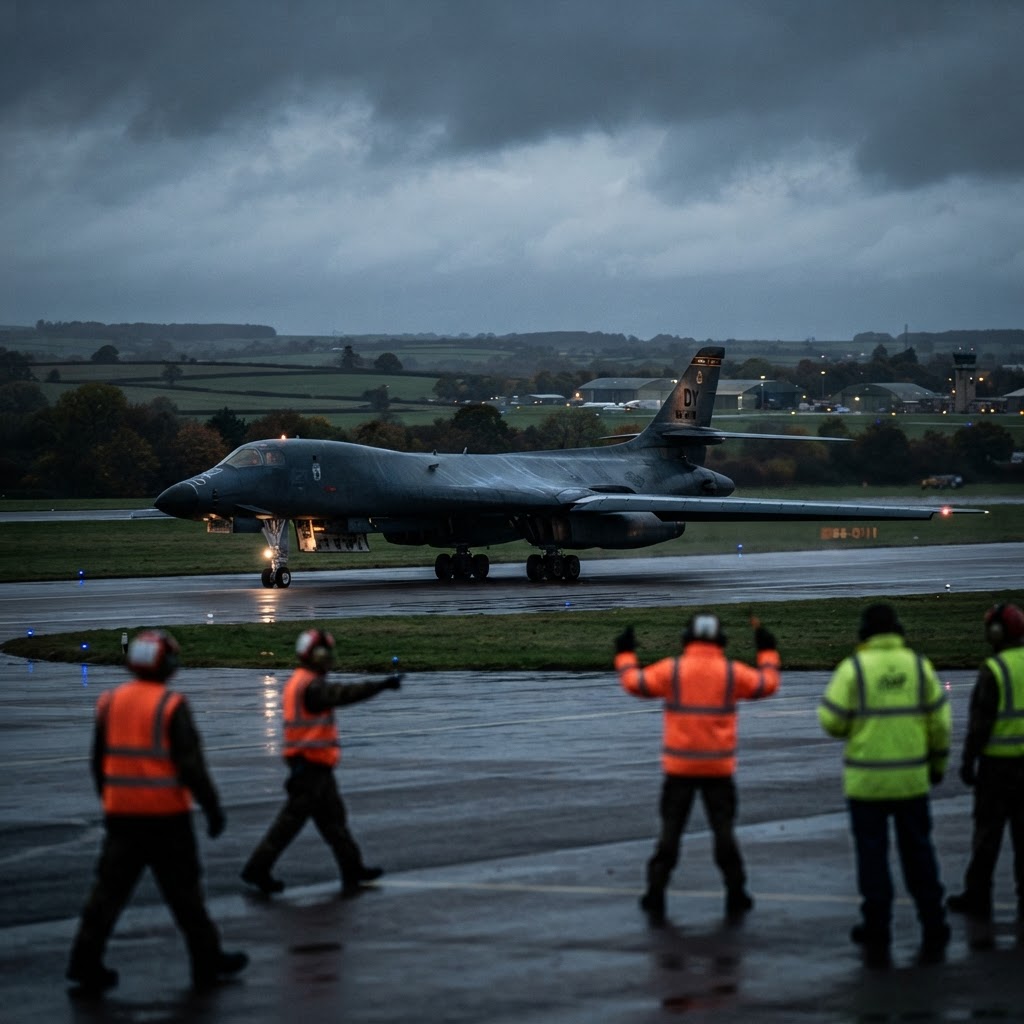
The Shadow of Escalation The skyline over Gloucestershire appeared unusually quiet this week as the United States Air Force completed a rapid withdrawal of its long-range bomber fleet from RAF Fairford. This tactical redeployment, executed with minimal fanfare, arrives against a backdrop of deteriorating security in the Middle East. Intelligence briefings indicate that the decision was driven by an acute awareness of potential Iranian-aligned threats targeting coalition assets, forcing Washington to consolidate its reach and protect its most high-value airframes.
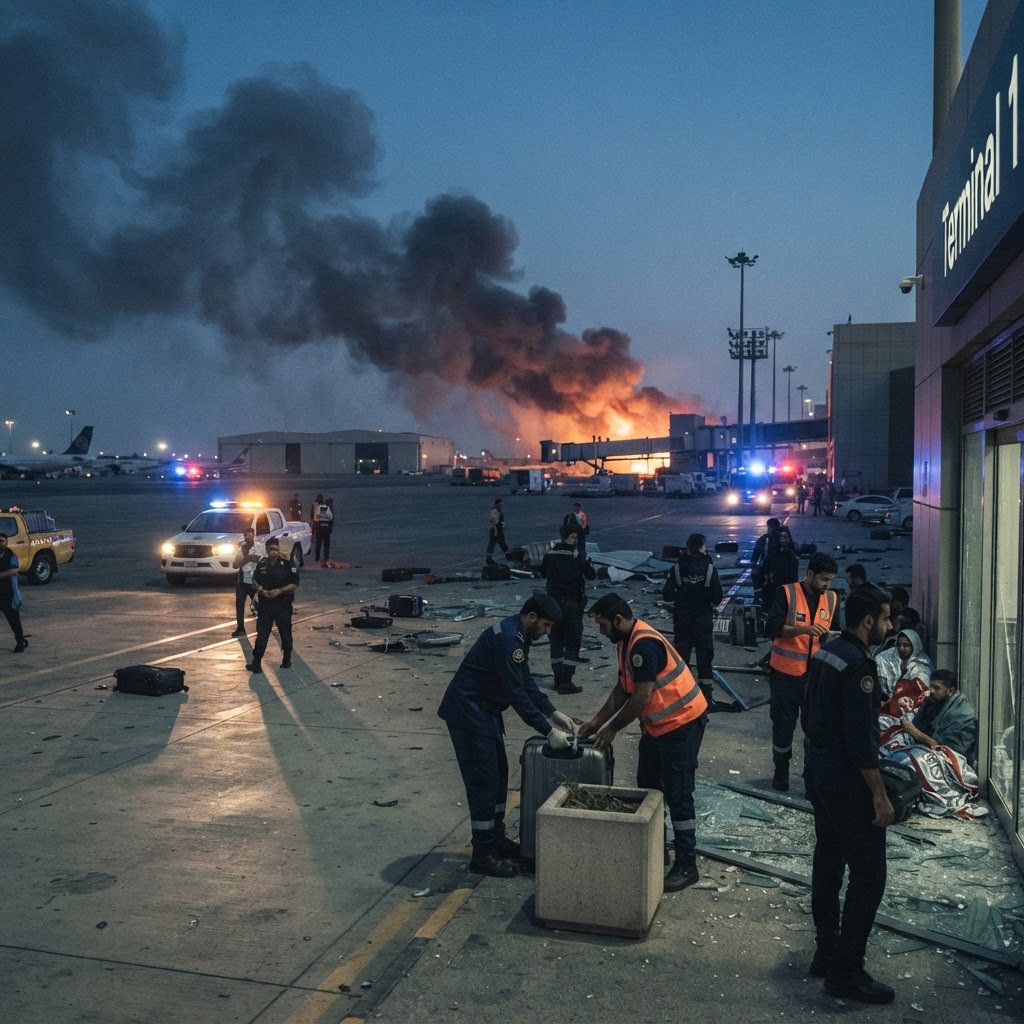
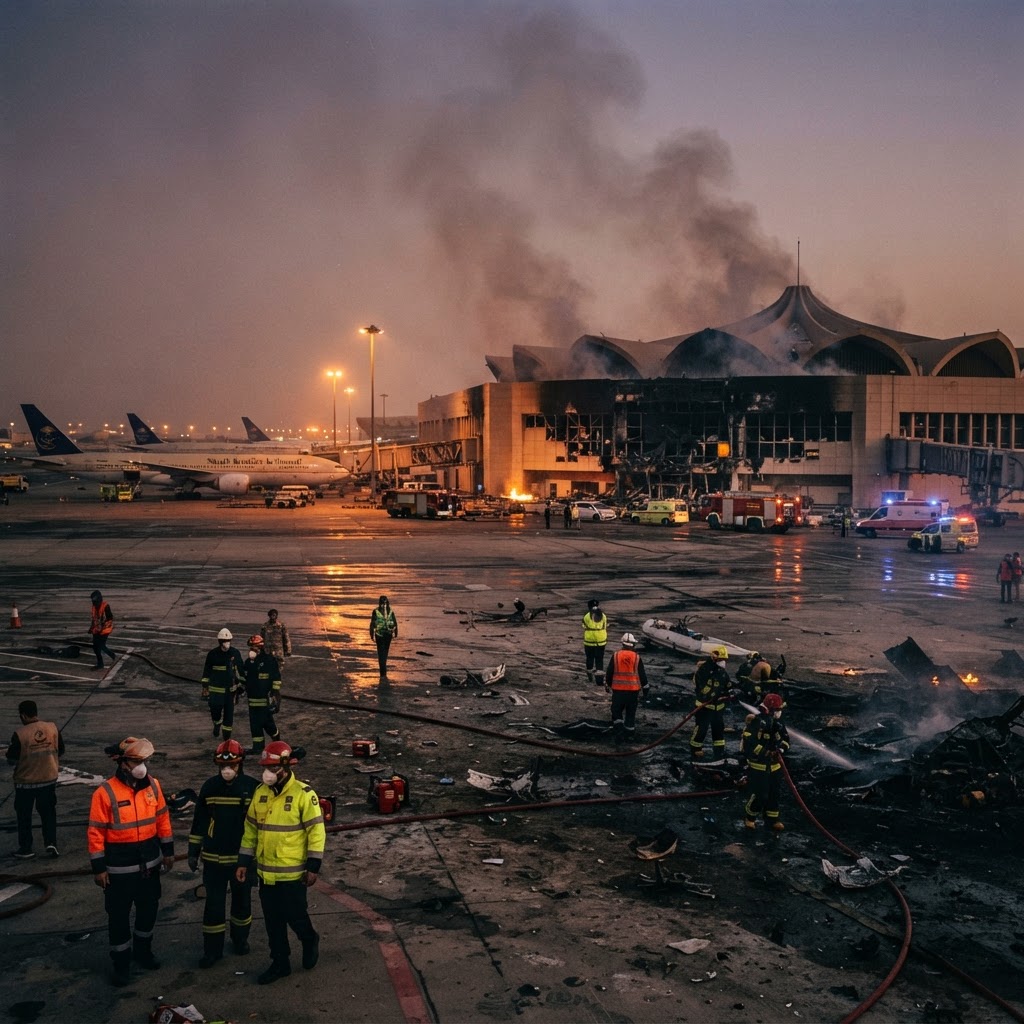
The move follows the emergence of disturbing footage depicting a strike on a major American military installation in Kuwait. The veracity of the recordings has sent shockwaves through Whitehall and the Pentagon alike, serving as a visceral reminder that the relative stability of the region remains precarious. For the United Kingdom, the sight of empty hardstands at Fairford is a stark manifestation of a shifting geopolitical reality, where the theatre of conflict in the Persian Gulf dictates the pace of military operations as far away as the English countryside.
A Diplomatic Tightrope Compounding the tactical unease is Tehran’s unveiling of a seven-day proposal concerning the operation of the Strait of Hormuz. While the contents of the document remain under intense scrutiny by British and American intelligence analysts, the underlying signal is clear: Iran is asserting its capacity to influence the global energy supply chain. The Strait, through which a significant portion of the world's liquified natural gas and oil transits, has long been the primary chokepoint in the standoff between the Islamic Republic and Western powers.
"We are witnessing a period of profound recalibration," notes Dr. Helena Vance, a senior fellow at the Royal United Services Institute. "The withdrawal of these bombers from British soil is less a surrender of capability and more a hardening of the US defensive perimeter. There is a palpable concern in Washington that the concentration of these specific assets at a forward operating base within reach of Iranian long-range retaliatory systems presented an unacceptable risk profile."
The View from London In Westminster, the mood is one of guarded concern. Foreign Office officials have been working around the clock to prevent a regional flare-up from spiraling into a broader confrontation. Prime Minister’s Office sources have stressed that the close intelligence-sharing partnership between the UK and the US remains robust, even as the specific positioning of military assets is dictated by immediate, time-sensitive risk assessments.
The removal of the bombers also invites uncomfortable questions regarding the UK's own defensive strategy. As the British military continues to maintain its commitments to the Gulf, the absence of the US strategic umbrella at Fairford leaves a tangible gap in the deterrent posture. Military analysts suggest that while the RAF maintains a significant capacity, the loss of these long-range bombers—capable of projecting power across vast distances with minimal warning—weakens the coalition's ability to respond to a sudden shift in Iranian conduct.
“The withdrawal of these bombers from British soil is less a surrender of capability and more a hardening of the US defensive perimeter.”