National Post UK
Shadows over the Strait: Washington's precarious pivot on Iranian brinkmanship

As internal divisions widen within the Trump administration, fresh intelligence regarding a clandestine Moscow-Tehran pa

The National Post

HomeWorld
World

Shadows over the Strait: Washington's precarious pivot on Iranian brinkmanship

As internal divisions widen within the Trump administration, fresh intelligence regarding a clandestine Moscow-Tehran pact has reframed the debate over military intervention. With Houthi drones striking Saudi soil, the regional equilibrium hangs by a thread.

RB

Richard Baxter

Foreign Correspondent

Published 7 November 2026·about 8 hours ago 2 min read
Text
Share

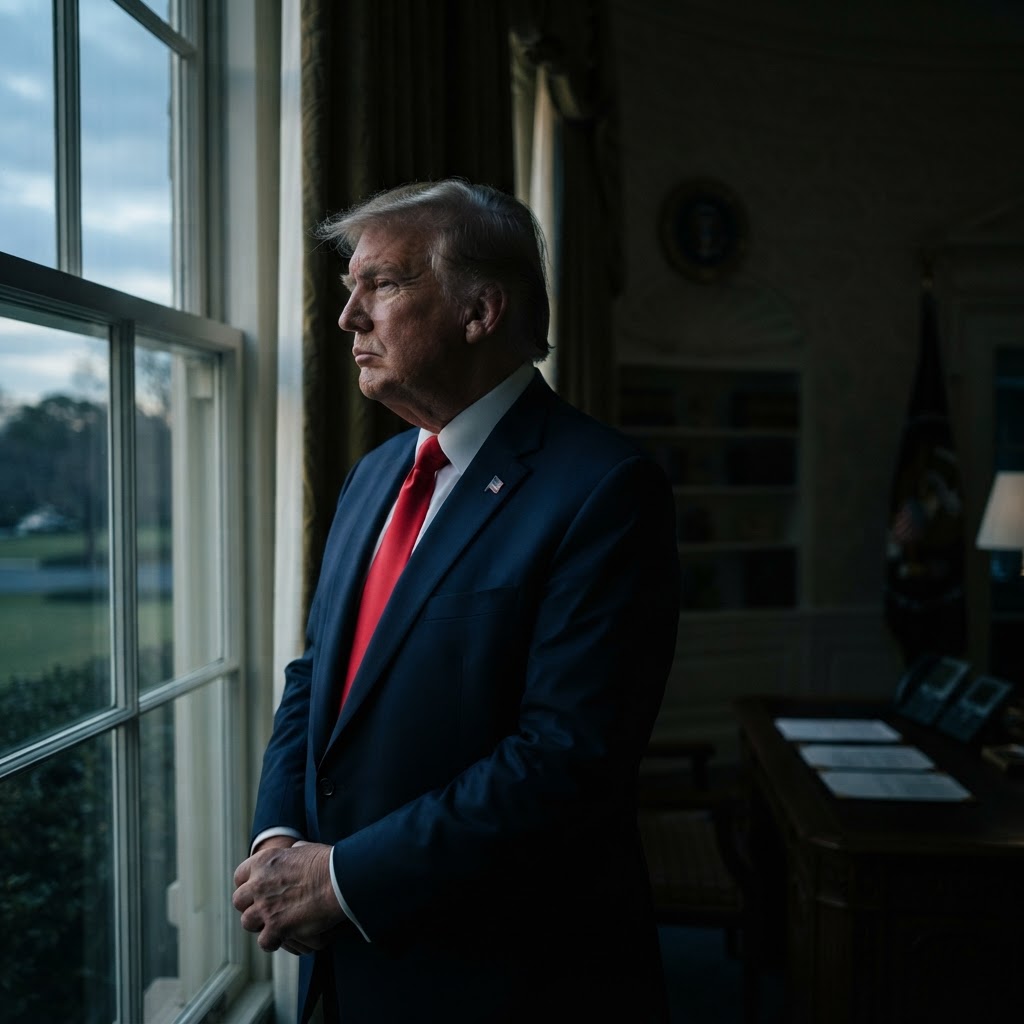
A Strategy in Flux The corridors of power in Washington are currently the site of a profound strategic schism, as President Trump’s national security advisers wrestle with the mounting pressures of Middle Eastern volatility. Sources familiar with the internal deliberations suggest a stark divide between those advocating for a surgical application of military force and the proponents of a renewed, albeit fragile, diplomatic architecture. At the heart of the tension lies the increasingly ambiguous status of Iran’s nuclear ambitions and the subsequent ripple effects across the Persian Gulf.

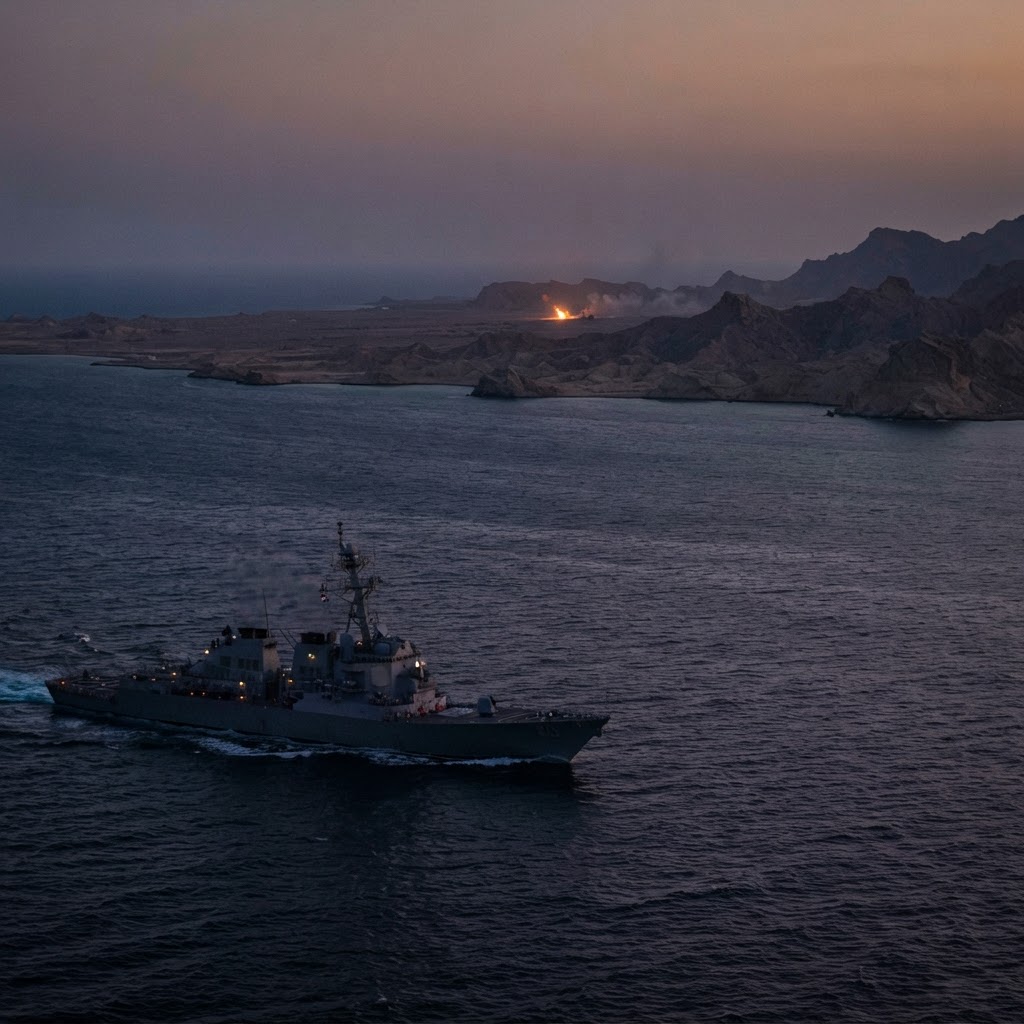
The Qeshm Question Speculation has intensified following reports of mysterious explosions on Qeshm Island, a strategic outpost overlooking the Strait of Hormuz. While the White House has maintained a policy of calculated silence, refusing to acknowledge any involvement in the incident, the implications remain profound. For military analysts in London and beyond, any potential US strikes would signify a departure from the administration’s previous reluctance to engage in direct kinetic conflict, suggesting that the threshold for such action has been significantly lowered.

The Moscow Connection Compounding this instability is the emergence of intelligence suggesting a clandestine weapons contract between the Kremlin and Tehran. If substantiated, this pact would represent a significant geopolitical shift, potentially providing Iran with advanced technological capabilities that could alter the balance of power in the region. Whitehall sources have expressed concern that such a partnership would embolden Tehran’s proxy networks, which have already demonstrated their reach. The recent Houthi-claimed drone attack on King Fahd International Airport in Dammam serves as a grim reminder that infrastructure across the Gulf remains highly vulnerable to asymmetrical warfare.

The President’s Calculus President Trump has framed his evolving approach as a necessity for global stability, asserting that without his interventionist stance, the risk to both Israel and the broader regional peace would be existential. Supporters argue that the 'maximum pressure' campaign remains the most viable deterrent, while critics—including several prominent UK foreign policy think tanks—contend that the current path risks triggering a wider regional conflagration that no party is adequately prepared to manage. As the administration weighs its options, the international community watches with unease, mindful that the miscalculation of a single strike could unravel decades of tentative stability.

TopicsTrumpIranMiddle EastForeign PolicyGeopoliticsDefence
Share

About the Author

RB

Richard Baxter

Foreign Correspondent

Richard Baxter reports for National Post UK with a focus on rigorous analysis and authoritative journalism — a trusted voice across British public life.

Reader Discussion · 6

Subscribers can join the conversation.

SUBSCRIBE TO COMMENT →
C
Claire Beaumont7 Nov

It sounds like a chaotic mess inside the White House. You cannot run foreign policy on a whim, and our allies deserve a consistent strategy rather than this constant flipping between positions.

M
Mark Sterling7 Nov

This analysis misses the broader point about energy security. If the Strait closes, the economic shock will be felt far more severely here in the UK than it will in the US.

E
Elizabeth Croft7 Nov

Having spent time in the Gulf, I know how easily a miscalculation in the Strait can escalate. The rhetoric coming out of both sides is incredibly reckless and serves nobody's interest.

D
David Thorne7 Nov

I am concerned that our own government is being dragged along without any clear parliamentary debate. We have seen how these shifts in Washington policy leave our own forces vulnerable.

S
Sarah Jenkins7 Nov

The administration is finally waking up to the reality of Iranian influence in the region. Stronger deterrence is the only language that regime understands, so this pivot is long overdue.

A
Arthur Penhaligon7 Nov

It feels like we are repeating the same mistakes of the last twenty years. Diplomacy must take precedence over this constant posturing, or we risk another unnecessary conflict.
More from World

Most Read in World

Morning Briefing

The day's top stories, before 7am

Join 40,000 readers who start their morning with National Post UK.