National Post UK
Crisis in the Gulf: Shipping Security Collapses as Strait of Hormuz Attacks Surge

A series of brazen strikes on commercial vessels has left international markets reeling. With incident rates nearing the

The National Post

HomeWorld
World

Crisis in the Gulf: Shipping Security Collapses as Strait of Hormuz Attacks Surge

A series of brazen strikes on commercial vessels has left international markets reeling. With incident rates nearing the dark days of October 2026, the British government is under mounting pressure to bolster naval protection for trade corridors.

DC

David Chen

Foreign Correspondent

Published 6 November 2026·about 8 hours ago 3 min read
Text
Share

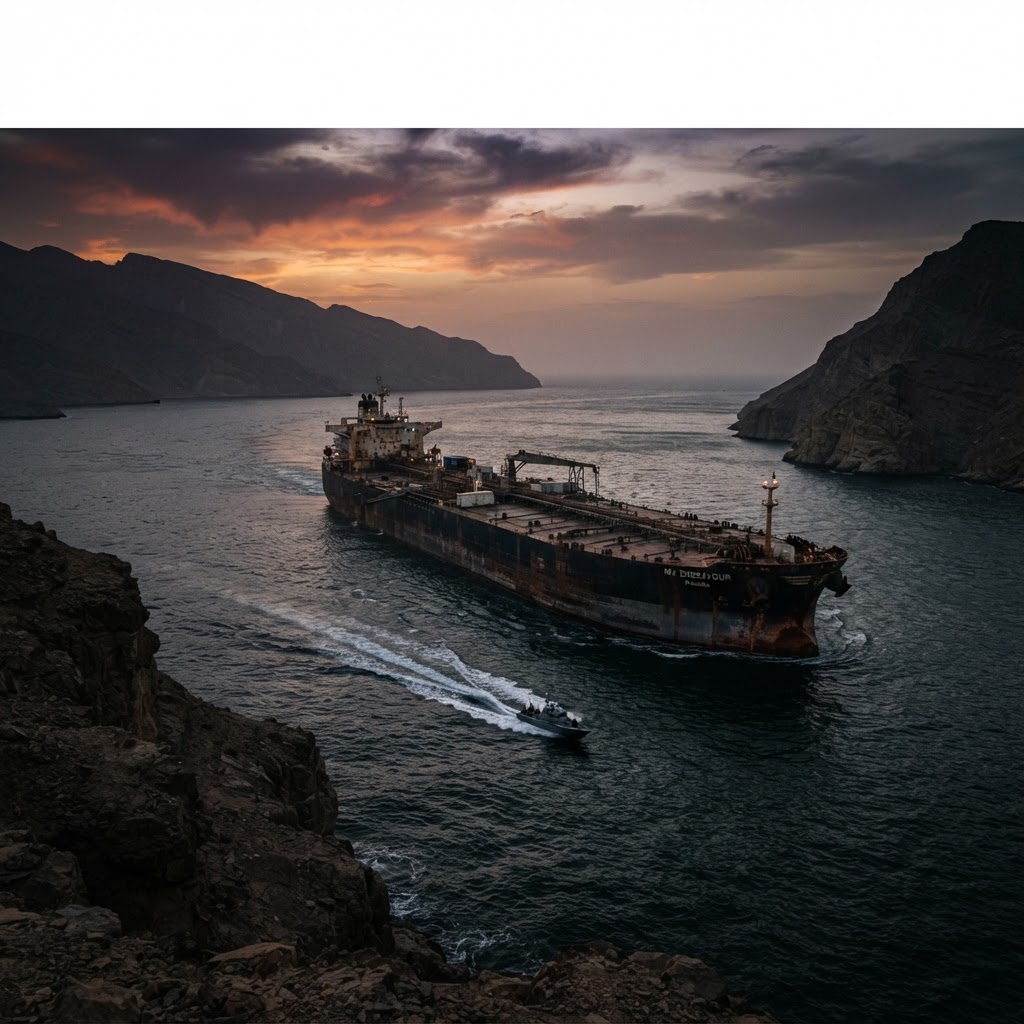
The Anatomy of an Escalation The narrow, volatile waters of the Strait of Hormuz, through which a significant proportion of the world's liquefied natural gas and crude oil must pass, have once again become a theatre of kinetic warfare. Since Sunday, at least five commercial vessels have issued distress calls, citing everything from mine strikes to precision-guided projectile attacks. The tactical sophistication displayed in these manoeuvres suggests a departure from mere posturing, signalling a concerted effort to disrupt the global flow of energy.

The Shadow of October Data provided by the United Kingdom Maritime Trade Operations (UKMTO) paints a sobering picture. The current frequency of security incidents is tracking closely with the record-breaking volatility observed in October 2026, a period that saw shipping insurance premiums spike to levels not seen in a generation. The incident involving two tankers struck by naval mines, confirmed by reports from Iran's Revolutionary Guard, underscores the persistent lethality of legacy ordnance and modern naval sabotage in these congested shipping lanes.

A Wider Theatre of Conflict The instability is no longer confined to the immediate vicinity of the Strait. Authorities are currently investigating a separate strike on a vessel off the coast of Qatar, which was reportedly targeted by two projectiles. This geographic expansion of the conflict suggests that the maritime security environment has entered a new, more dangerous phase. Analysts in London remain concerned that the targeting of vessels near Qatar—a critical hub for global gas exports—could have immediate inflationary consequences for the British energy market.

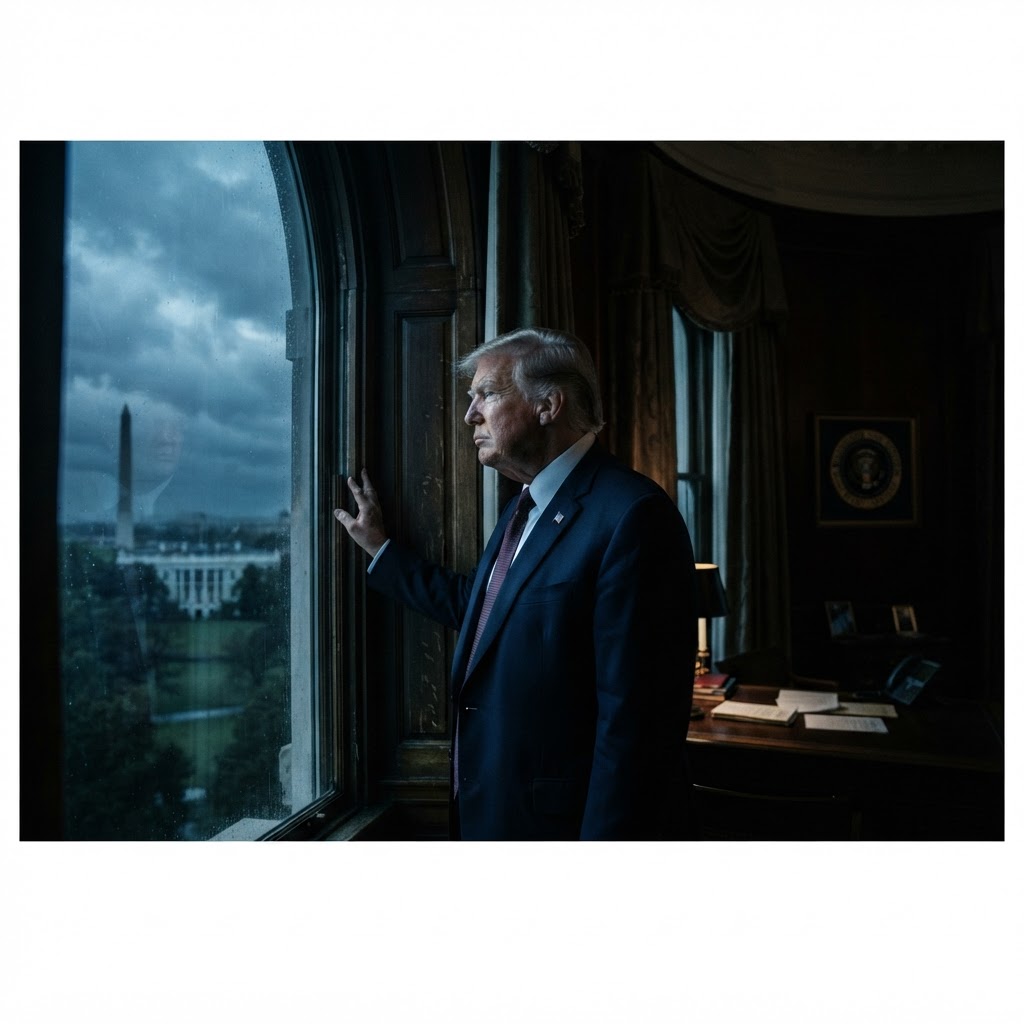
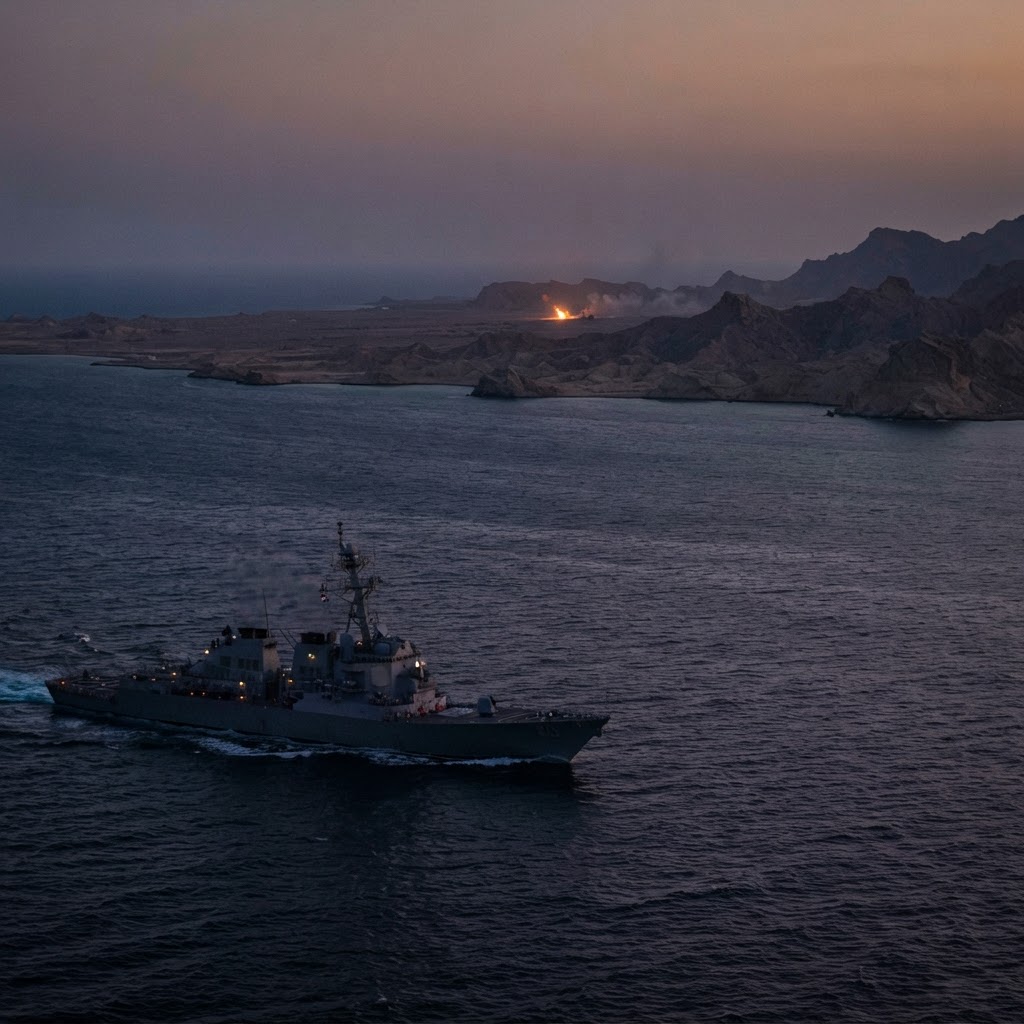
The British Response The Ministry of Defence, while maintaining a policy of operational discretion, has confirmed that it is actively monitoring the situation. Whitehall remains in a delicate position; the United Kingdom has long sought to promote freedom of navigation, yet the threshold for direct military intervention remains high. Maritime security experts suggest that the government must soon decide between increased naval presence or a more assertive diplomatic engagement with regional powers to secure the safety of the British merchant fleet.

Expert Perspective "We are witnessing a systemic challenge to the norms of maritime commerce," says Dr Alistair Vance, a senior fellow at the Royal United Services Institute. "The transition from sporadic harassment to consistent, multi-theatre strikes suggests that the deterrents we relied upon just a few weeks ago have lost their efficacy. Without a robust, multinational response, we must prepare for a sustained period of disruption to the global supply chain, with inevitable consequences for UK consumers already grappling with volatility in energy prices."

TopicsStrait of HormuzMaritime SecurityUK Foreign PolicyEnergy CrisisMiddle EastInternational TradeShipping
Share

About the Author

DC

David Chen

Foreign Correspondent

David Chen reports for National Post UK with a focus on rigorous analysis and authoritative journalism — a trusted voice across British public life.

Reader Discussion · 5

Subscribers can join the conversation.

SUBSCRIBE TO COMMENT →
G
George Miller6 Nov

Our energy security is clearly hanging by a thread. If we had invested more heavily in domestic renewables and nuclear power years ago, we wouldn't be quite so exposed to whatever happens in the Strait.

F
Fiona Campbell6 Nov

The reports coming out of the region are quite contradictory at the moment. I would prefer to see verified footage before we start calling for military interventions that we might regret later.

D
David Thorne6 Nov

While I understand the necessity of securing these waters, I am worried that any miscalculation by a frigate captain could spiral into a much wider conflict. Diplomacy must remain the priority.

S
Sarah Jenkins6 Nov

I spent ten years working in shipping logistics and these incidents are becoming alarmingly frequent. The international community needs to stop issuing statements and actually provide a proper naval escort for these tankers.

A
Arthur Penhaligon6 Nov

It is only a matter of time before the global economy feels the pinch at the petrol pump. We have been far too reliant on this single chokepoint for far too long.
More from World

Most Read in World

Morning Briefing

The day's top stories, before 7am

Join 40,000 readers who start their morning with National Post UK.