National Post UK
Washington Intelligence Core Compromised in Unprecedented Cyber Offensive

The CIA and ODNI have confirmed a major breach of their digital infrastructure, raising urgent questions regarding Ameri

The National Post

HomeWorld
World

Washington Intelligence Core Compromised in Unprecedented Cyber Offensive

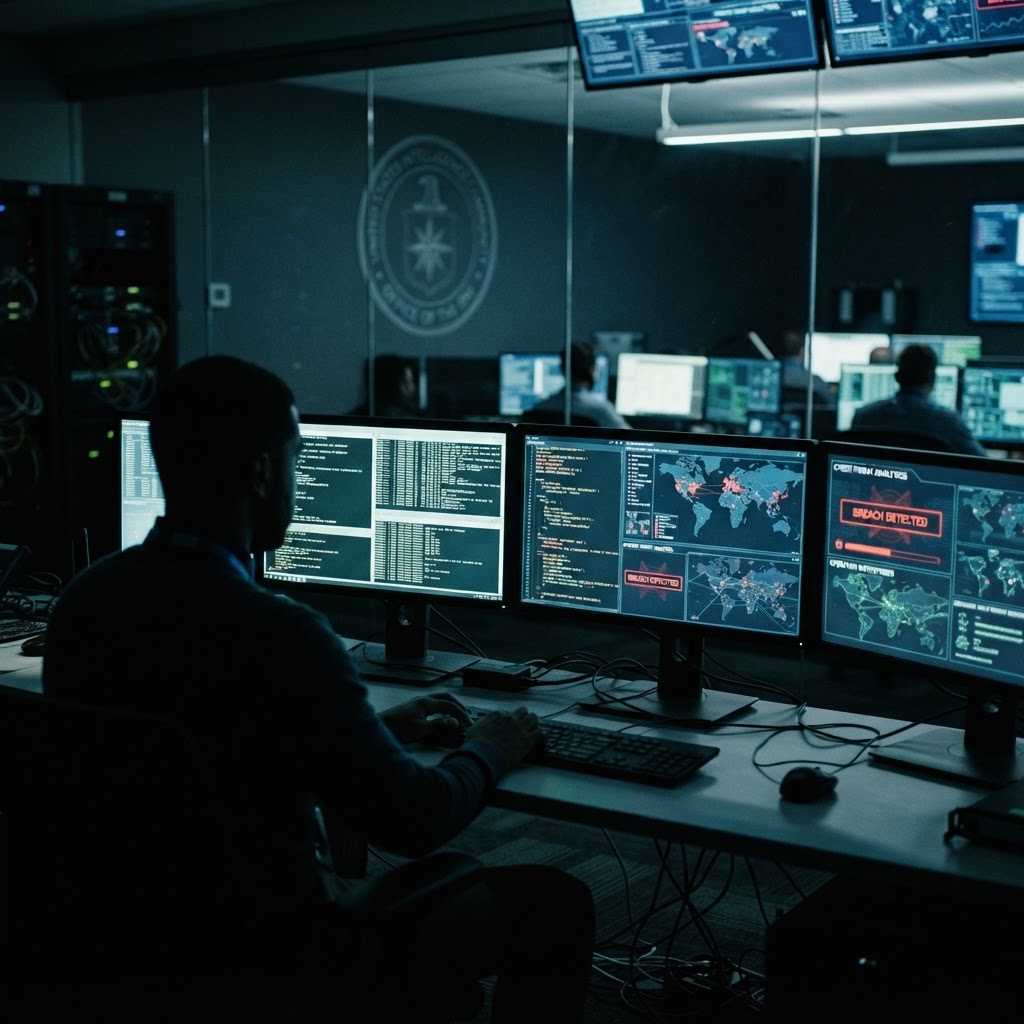
The CIA and ODNI have confirmed a major breach of their digital infrastructure, raising urgent questions regarding American defensive capabilities. This latest intrusion follows a pattern of serial vulnerabilities across the U.S. federal apparatus.

SL

Sophie Laurent

Foreign Correspondent

Published 25 November 2026·about 9 hours ago 3 min read
Text
Share

A Watershed Moment for National Security The dawn of 25 November 2026 has brought a chilling confirmation for the American intelligence community: the Central Intelligence Agency (CIA) and the Office of the Director of National Intelligence (ODNI) have both fallen victim to a sophisticated and far-reaching cybersecurity breach. The disclosure of this intrusion, which appears to have circumvented some of the most rigorous digital bastions in the Western world, has sent shockwaves through the corridors of power in both Washington and London.

A Pattern of Systemic Fragility This incident does not exist in a vacuum. It follows closely on the heels of an alarming breach at the U.S. Department of Agriculture, a development that, at the time, seemed a peripheral concern to the high-stakes world of espionage. Analysts now suggest that the earlier agricultural hack may have served as a reconnaissance phase or a tactical distraction, exposing the fragility of federal digital infrastructure. The frequency and breadth of these incursions indicate that major government institutions are currently contending with an adversary—or a coalition of actors—possessing unprecedented capabilities in lateral movement across classified networks.

The British Perspective From a British vantage point, the silence from GCHQ is telling. While official statements remain sparse, senior figures within the UK security establishment are undoubtedly reviewing the integrity of their own systems. The Five Eyes intelligence-sharing alliance relies upon the premise that its members maintain absolute sovereign security. Should the American core be compromised, the ripple effects will necessitate a complete recalibration of how intelligence is digitised, stored, and disseminated among the Atlantic partners. Lord Robertson, a former Defence Secretary, noted earlier this morning that the vulnerability of the modern state is no longer measured in munitions, but in the integrity of its data architecture.

The Anatomy of the Intrusion While the CIA and ODNI have yet to disclose the full extent of the data compromised, the sheer scale of the breach suggests a state-sponsored actor. The sophistication required to penetrate the inner sanctum of the ODNI—the hub that coordinates the efforts of the sixteen agencies comprising the U.S. Intelligence Community—is indicative of a long-term, high-resource campaign. Cyber-security experts in London’s private sector, who have monitored the recent trend of U.S. government hacks, argue that this reflects a new, more aggressive era of digital warfare, where the lines between civil administration and hard-security intelligence are increasingly blurred by shared network dependencies.

Future Implications As the investigation proceeds, the focus will inevitably turn toward the resilience of legacy systems and the human element of digital defence. The breach has left Washington struggling to contain the fallout, both in terms of operational security and the geopolitical optics of appearing vulnerable at a time of heightened global tension. For the British government, the lesson is stark: the digital perimeter is now the primary front line of national sovereignty. The coming weeks will see intense scrutiny directed at the intelligence agencies, as they attempt to ascertain not just what was taken, but what may have been planted within their systems.

TopicsCybersecurityIntelligenceUSACIAODNINational SecurityUKTechnology
Share

About the Author

SL

Sophie Laurent

Foreign Correspondent

Sophie Laurent reports for National Post UK with a focus on rigorous analysis and authoritative journalism — a trusted voice across British public life.

Reader Discussion · 4

Subscribers can join the conversation.

SUBSCRIBE TO COMMENT →
E
Eleanor Rigby25 Nov

While I am concerned about the national security implications, I also worry about how this will affect the geopolitical climate over the coming weeks. The Americans are not going to take this lying down and the potential for escalation is significant.

D
David Thorne25 Nov

It seems to me that we are becoming far too reliant on networked systems for our most sensitive national security data. Perhaps it is time to move back to more traditional, offline methods for our most critical intelligence files.

S
Sarah Jenkins25 Nov

I worked in cybersecurity for over twenty years and this level of breach is almost impossible to imagine without an internal actor involved. I expect there will be a massive investigation into potential leaks from within the intelligence community itself.

A
Arthur Penhaligon25 Nov

This is a staggering failure of digital security for an agency that is supposed to be the best in the world. You have to wonder what kind of state-sponsored actor has the capability to breach the CIA's primary firewalls.


More from World

Most Read in World

Morning Briefing

The day's top stories, before 7am

Join 40,000 readers who start their morning with National Post UK.