The Biden administration has authorised a limited military response after a provocative engagement involving American aviation assets. As diplomatic channels remain frozen, global energy markets are already bracing for a sustained period of volatility.
A Fragile Status Quo Shattered
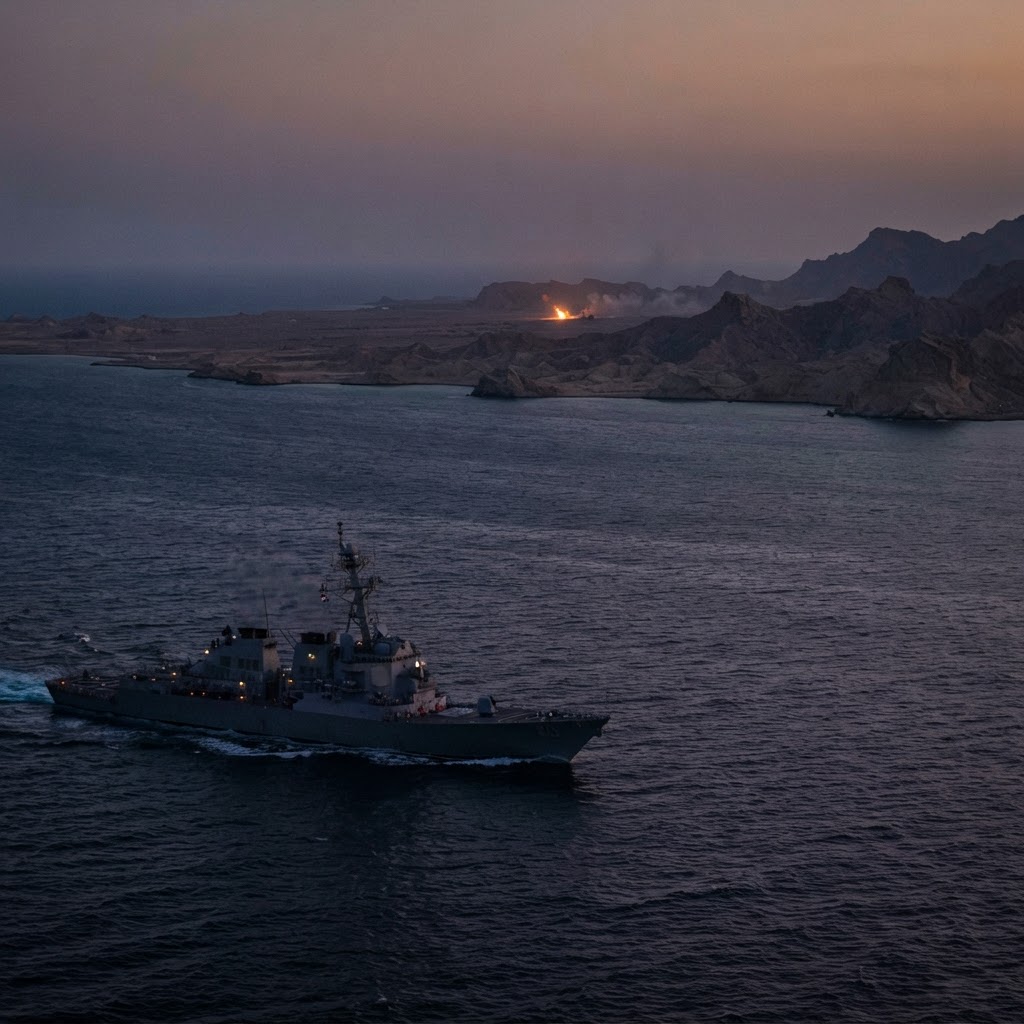
The geopolitical equilibrium of the Persian Gulf suffered a profound rupture yesterday morning as United States military assets launched a series of defensive strikes against Iranian installations situated on Qeshm Island. The operation, which Pentagon sources describe as a proportionate response to a hostile engagement, has thrust the vital Strait of Hormuz back to the epicentre of global security concerns. The flashpoint was triggered when Iranian surface-to-air systems reportedly engaged a US aircraft operating in international airspace, an act of aggression that the White House has characterised as a reckless escalation.
The Stalled Diplomatic Track
For months, back-channel communications involving European intermediaries and regional powers had sought to establish a framework for a de-escalation agreement. However, these efforts have effectively withered. Diplomats in London and Brussels have expressed profound concern that the current impasse leaves little room for conventional mediation. The failure to secure a breakthrough in the stalled peace negotiations has created a vacuum, now being filled by kinetic military posturing that risks drawing a broader coalition into a direct confrontation. Whitehall insiders suggest that the UK is maintaining close coordination with Washington, though there is palpable anxiety within the Foreign Office regarding the potential for miscalculation by Tehran.
Market Volatility and Energy Security
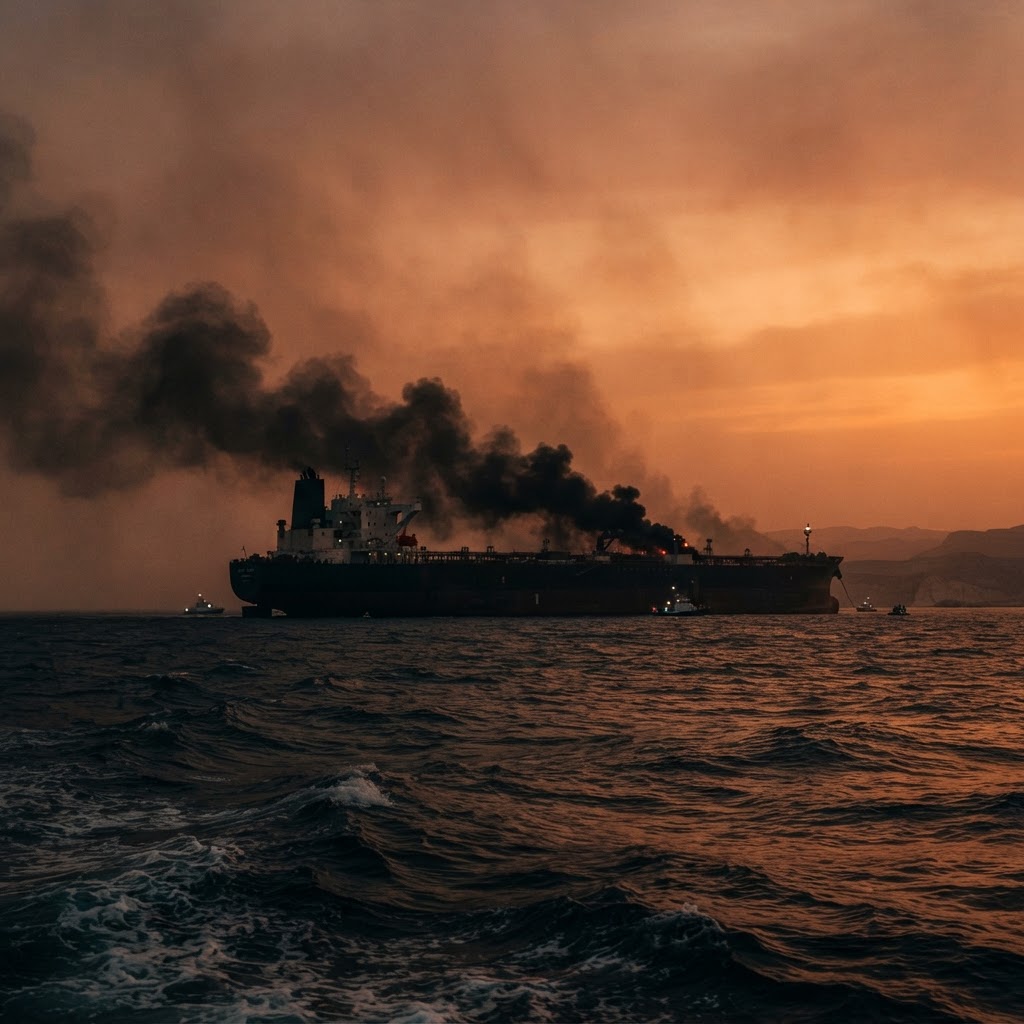
The ripple effects of the strike were felt almost immediately in the City of London, where Brent crude prices experienced a sharp rebound. Energy markets, which had been cautiously optimistic regarding the potential for a diplomatic breakthrough earlier in the autumn, are now recalibrating their risk assessments. The Strait of Hormuz remains the world’s most critical maritime chokepoint, and any perceived threat to the freedom of navigation through these waters inevitably exerts upward pressure on global oil indices. Analysts at major London trading houses have warned that if the tit-for-tat exchanges continue, the prospect of a sustained energy price shock becomes increasingly probable.
Regional Anxiety and Preparedness
Across the Gulf, regional allies are operating under a state of heightened vigilance. Intelligence reports suggest that Tehran may pivot away from direct military-to-military engagement, instead favouring asymmetric responses that target civilian and economic infrastructure. From the UAE to Kuwait, governments have quietly moved to bolster their defensive posture, ensuring that critical desalination plants and energy hubs remain insulated from potential sabotage or drone incursions. The mood in these capitals is one of stoic apprehension; they recognise that while the US strike was framed as defensive, the region is now in a period of acute vulnerability.
A Long Shadow Over Stability
The situation represents a significant failure of the international architecture designed to manage Iranian proliferation and regional influence. With the nuclear dossier largely side-lined by these immediate security dilemmas, Western leaders face a difficult winter. The challenge is not merely to contain the current skirmishes on Qeshm Island, but to prevent a wider conflagration that could destabilise the fragile recovery of the global economy. As the dust settles on the initial strikes, the silence from the diplomatic front is deafening, leaving the burden of resolution squarely on the shoulders of military commanders who are, by their nature, ill-equipped to resolve the fundamental political divisions at the heart of this conflict.