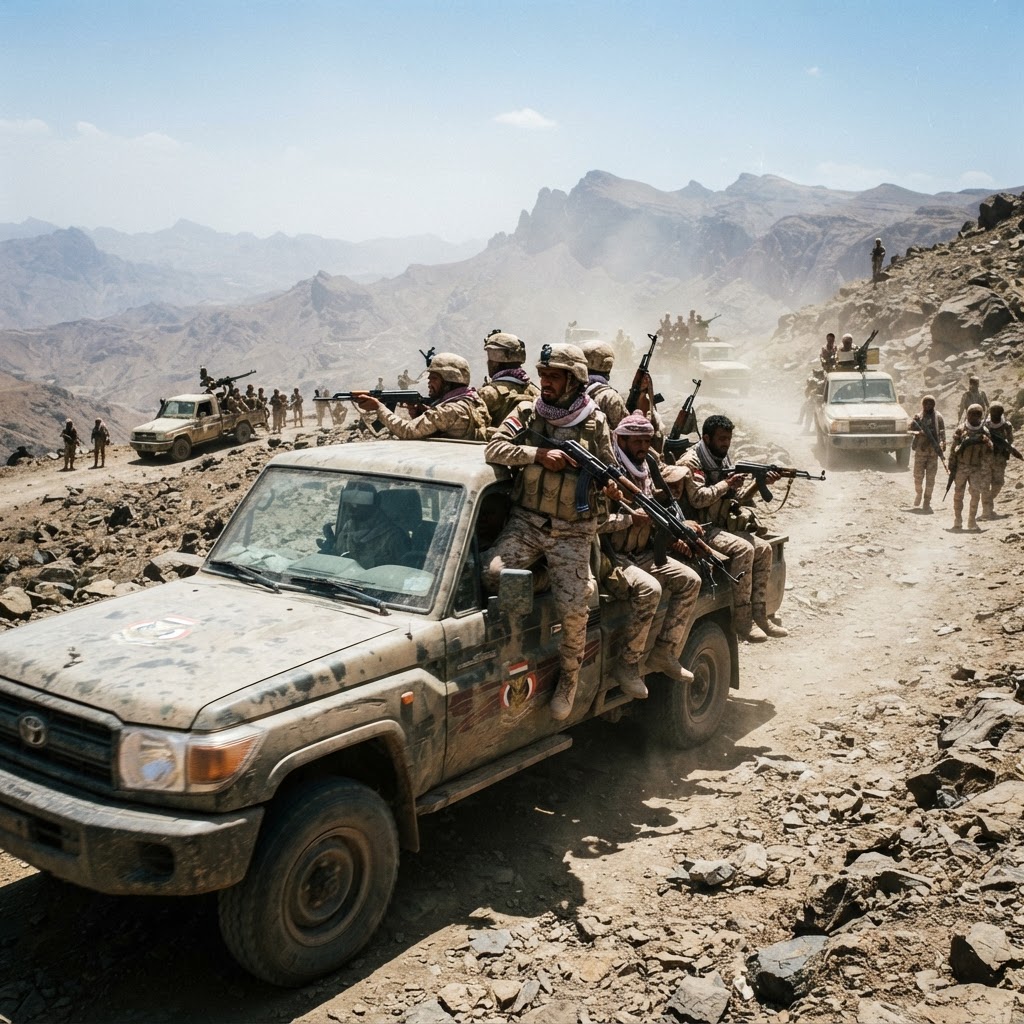
A Shift in the Yemeni Theatre As of 5 October 2026, the protracted conflict within Yemen has entered a volatile new chapter. Following months of stalemate and fragmented skirmishes, the internationally recognised Yemeni government has mobilised a significant military offensive aimed at reclaiming key strategic enclaves long held by Houthi insurgents. The operation, described by officials in Aden as a necessary reclamation of sovereign territory, marks the most aggressive push against the Iranian-backed militia in recent memory.
Military analysts in London note that this escalation is not merely a local territorial dispute but a response to the sustained disruption of international shipping lanes. The Houthis, emboldened by a steady influx of advanced drone technology and ballistic capabilities, have maintained a grip that has forced global logistics firms to reroute vessels, adding immense pressure to the British economy as energy and supply costs fluctuate. For the Ministry of Defence, the situation remains a primary concern, with intelligence briefings highlighting the difficulty of neutralising asymmetric threats in such a rugged, mountainous landscape.
Tehran’s Stance and the Spectre of Confrontation Simultaneous with the offensive in the south, the geopolitical temperature has been further raised by official statements emanating from Tehran. Iranian leadership has declared its readiness to defend against any potential American military action, suggesting that the era of strategic patience may be drawing to a close. This rhetoric serves as a direct riposte to the increasing presence of US maritime assets in the region, which Washington insists are there to ensure freedom of navigation.
For Whitehall, the danger lies in the potential for miscalculation. Diplomatic circles in Westminster are cautious, observing that the current interplay between Washington’s policy of deterrence and Tehran’s survivalist posturing leaves little room for middle-ground compromise. Senior geopolitical strategist Dr Helena Vance remarked that the alignment between Houthi objectives and Iranian strategic interests creates a nexus of conflict that the West is struggling to untangle. The risk, she notes, is that a localised flare-up in Yemen could serve as the spark for a wider, multi-front confrontation that would be difficult to contain.
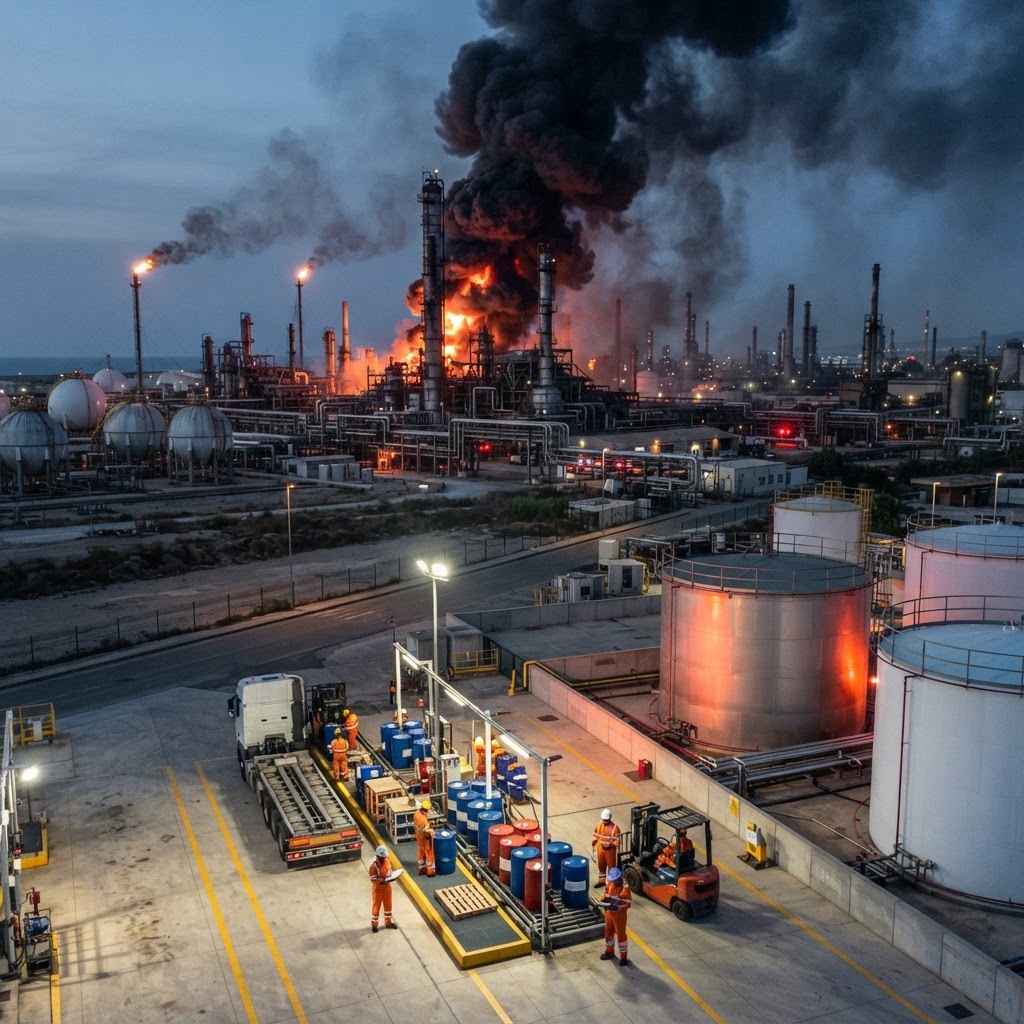
The Broader Regional Context This latest surge in violence follows a period of mounting regional volatility that has redefined the security architecture of the Middle East. With diplomatic channels between the West and the Islamic Republic appearing increasingly brittle, the ability of mediators to de-escalate these flashpoints has been significantly diminished. The Yemeni conflict, often relegated to the background of global news cycles, now stands at the epicentre of a broader struggle for regional influence.
As winter approaches, the humanitarian consequences for the Yemeni population remain dire, yet these civilian concerns are frequently overshadowed by the hardening of geopolitical positions. The British government has faced internal pressure to articulate a clearer policy regarding its role in the region, with members of the Opposition calling for a renewed focus on multilateral diplomacy. However, the reality on the ground—defined by kinetic military action—suggests that for now, the sword has superseded the pen.
“The alignment between Houthi objectives and Iranian strategic interests creates a nexus of conflict that the West is struggling to untangle.”
The coming weeks will prove critical. Should the Yemeni government’s offensive achieve its stated objectives without drawing direct Iranian retaliation, there may be a slim window for a negotiated settlement. Conversely, any overt military response from Tehran, or a direct escalation involving US assets, could lead to a permanent restructuring of the regional status quo, with unpredictable consequences for international security.