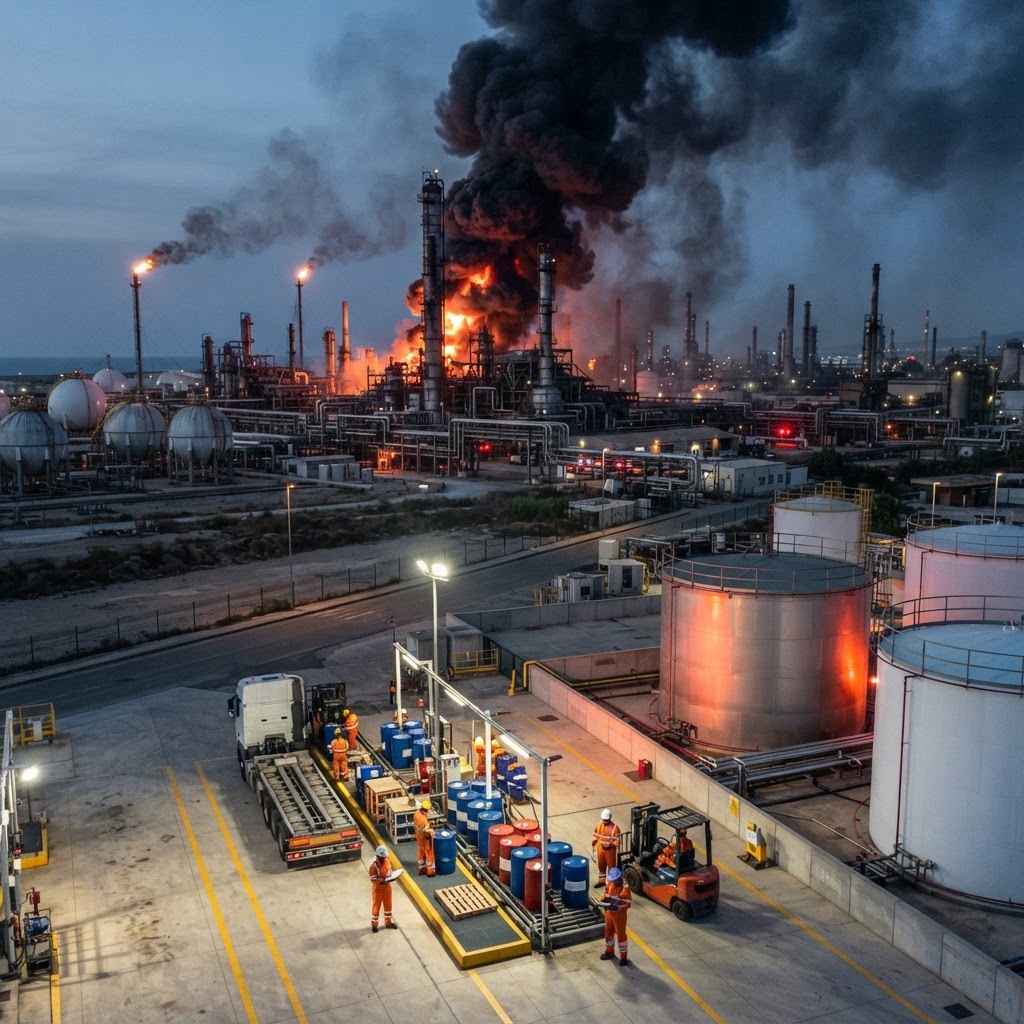
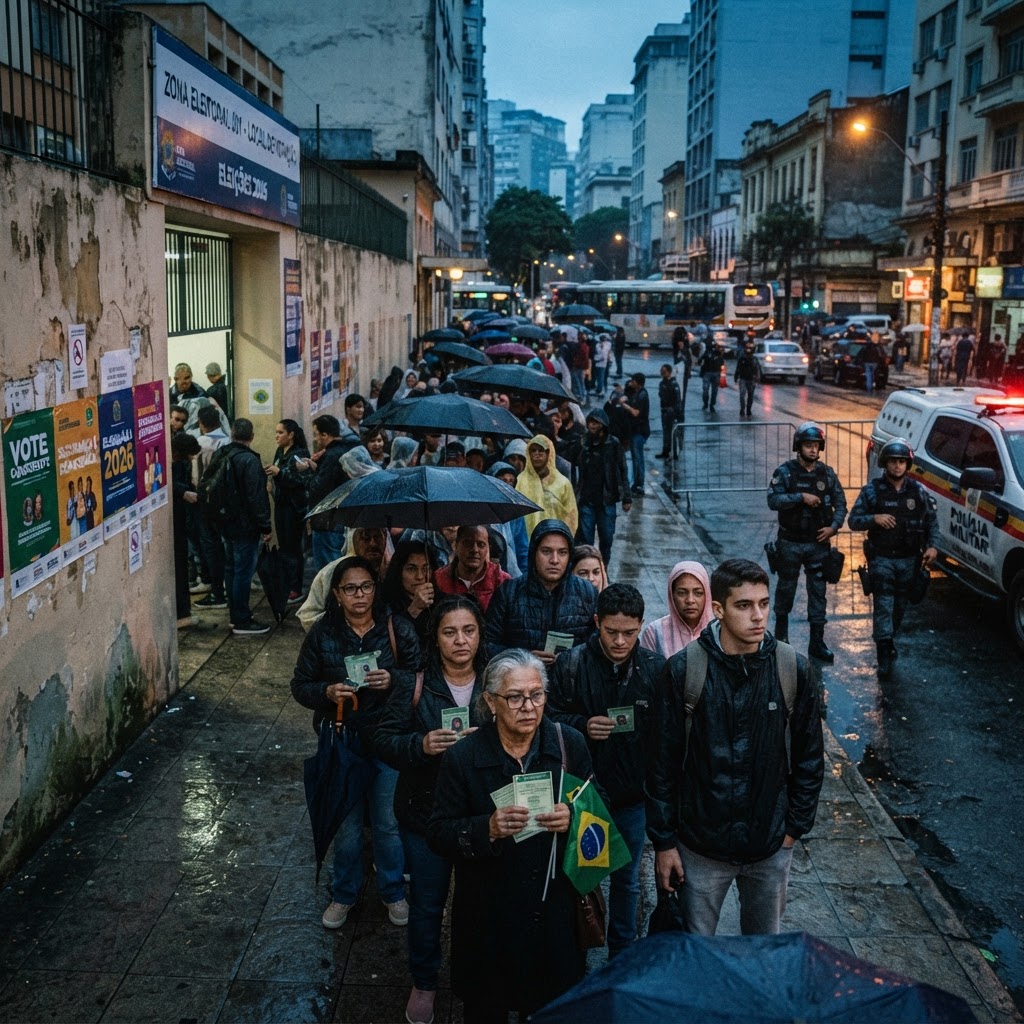
The Shadow of Rising Insecurity As the sun rises over Brasilia on this fourth of October, the atmosphere is one of profound apprehension. Brazil, a nation often defined by its exuberant culture and vast resources, finds itself transfixed by a singular, overriding anxiety: the systemic erosion of public order. For the millions of voters currently lining up outside polling stations, the 2026 presidential election is not merely a choice between competing fiscal platforms or social programmes, but a referendum on the state's very ability to maintain the rule of law.
The Campaign Narrative Throughout the campaign, the debate has been dominated by a visceral discourse on crime. Urban centres, from the dense favelas of Rio de Janeiro to the sprawling industrial hubs of São Paulo, have become the primary battlegrounds for a rhetoric that prioritises security above all else. Challenger and incumbent alike have been forced to frame their manifestos through the lens of law enforcement, with the citizenry clamouring for a restoration of safety in streets that many feel have been ceded to organised syndicates.
For UK observers and international investors, the implications are profound. Brazil remains a critical pillar of the global commodity market, and the stability of its internal environment is inextricably linked to the confidence of foreign capital. The British Foreign Office, in its latest briefing, noted that while the electoral process remains robust, the potential for social volatility in the wake of the result cannot be understated.
Expert Perspectives Dr Elena Thorne, a senior research fellow in Latin American studies at Chatham House, suggests that this election represents a pivotal moment for the nation’s democratic health. 'We are seeing a clear shift in voter priority,' Dr Thorne explains. 'The traditional focus on economic distribution has been superseded by a desperate call for order. If the incoming administration fails to deliver tangible results on crime, the risk of populist fragmentation will increase significantly, impacting not only Brazil’s domestic cohesion but also its reputation on the global stage as a reliable partner in the G20.'
International Implications The global community is watching closely, particularly regarding Brazil's role in international climate diplomacy and regional trade agreements. A focus on internal security might necessitate a reconfiguration of the national budget, potentially squeezing the resources earmarked for environmental protection—a move that would undoubtedly draw scrutiny from European partners. Furthermore, the effectiveness of the next administration’s security strategy will ripple across South America, setting a precedent for neighbours currently grappling with similar concerns regarding trans-border criminal syndicates.
As the ballot boxes begin to fill, the consensus among political analysts is that the electorate is demanding a more muscular approach to policing and judicial reform. Whether this is achieved through enhanced federal cooperation or a more decentralised, state-led model remains the primary point of contention between the leading candidates. Regardless of the victor, the task ahead is immense: transforming a security-focussed campaign rhetoric into an actionable, sustainable programme of governance that can reclaim the public trust and secure the nation’s future stability.