National Post UK
Israel's Fragile Democracy Teeters on the Brink as Election Stalemate Deepens

The latest legislative contest has left the Knesset in paralysis, with Benjamin Netanyahu’s coalition struggling to secu

The National Post

HomeWorld
World

Israel's Fragile Democracy Teeters on the Brink as Election Stalemate Deepens

The latest legislative contest has left the Knesset in paralysis, with Benjamin Netanyahu’s coalition struggling to secure a majority. As accusations of inflammatory rhetoric cast a long shadow, observers in Whitehall fear the resulting vacuum could destabilise an already volatile region.

RB

Richard Baxter

Foreign Correspondent

Published 30 October 2026·about 5 hours ago 3 min read
Text
Share

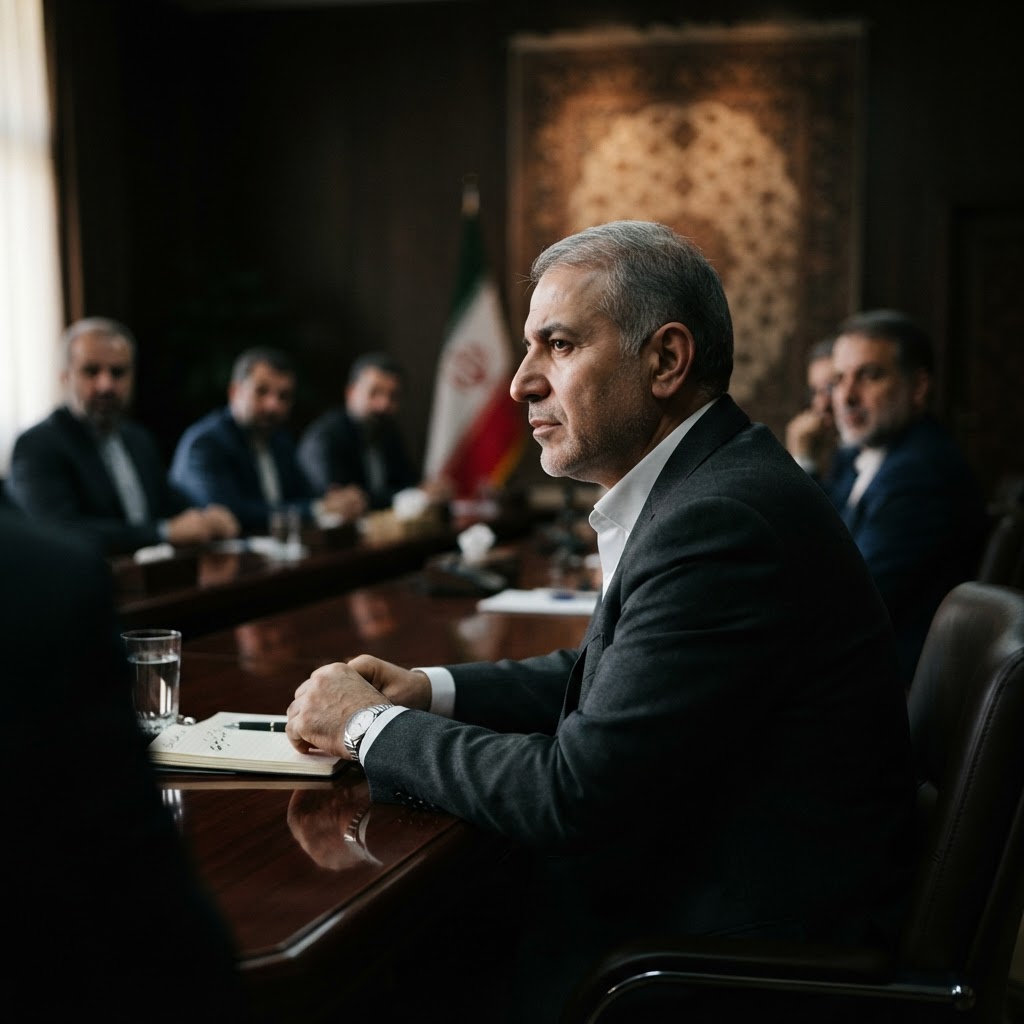
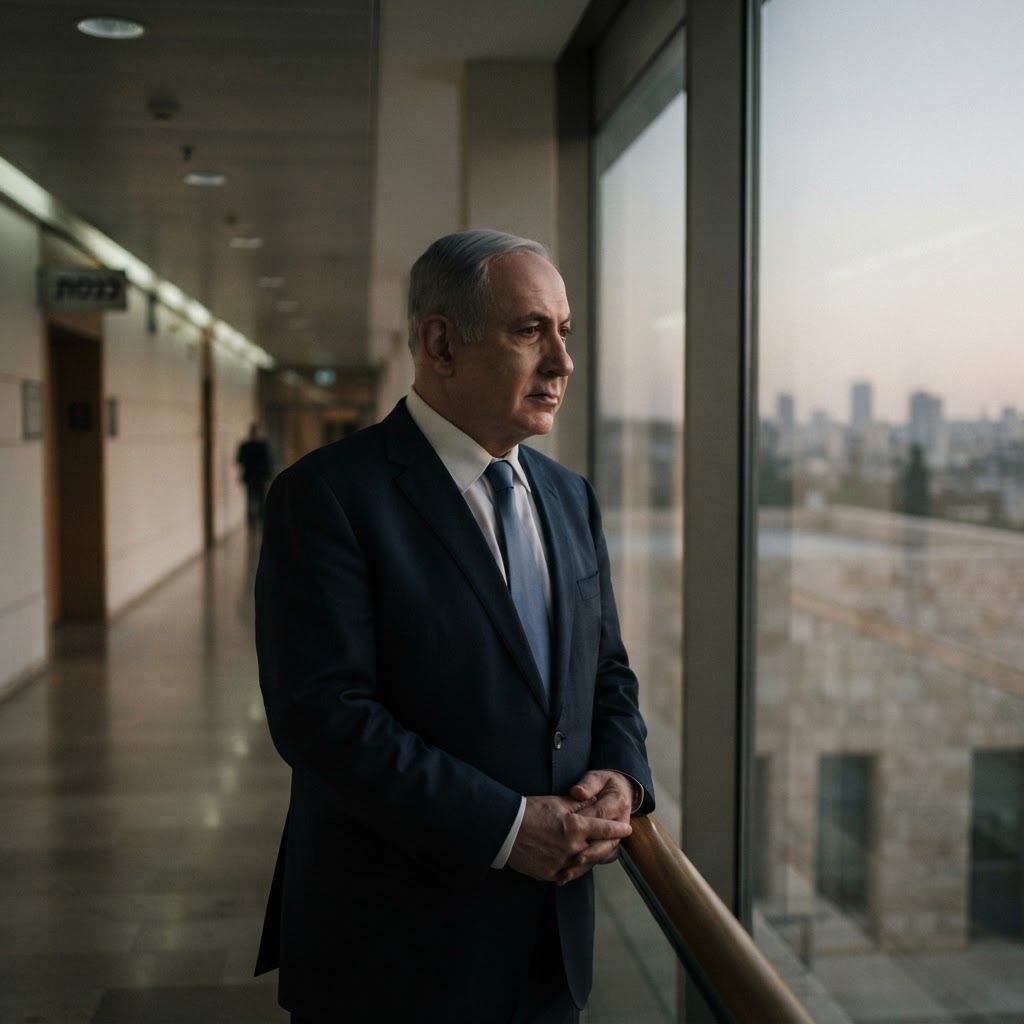
A Nation Divided The latest parliamentary election in Israel has concluded with the grim predictability of systemic paralysis. With 85.6 per cent of the vote tallied, the nation finds itself in the grip of a profound political impasse. Prime Minister Benjamin Netanyahu, seeking to fortify his political longevity, currently finds his coalition projected to hold only 53 seats, falling well short of the threshold required to form a stable administration. Across the aisle, the opposition bloc, spearheaded by Gadi Eisenkot, commands an estimated 48 seats. The resulting arithmetic suggests that, once again, the Israeli electorate has delivered a mandate for fragmentation rather than governance.

The Cost of Polarisation In his quest to bridge the deficit, Mr Netanyahu has faced a chorus of condemnation from both domestic rivals and international observers for what have been characterised as profoundly divisive campaign tactics. Throughout the final weeks of the cycle, the Prime Minister leaned heavily into populist tropes, alleging that Arab Israeli factions were acting as proxies for foreign interests to manipulate the democratic process. Critics argue that such rhetoric—often described as ugly and beneath the dignity of the office—has further frayed the fabric of an already fractured society. This strategy, intended to galvanise his base, appears to have deepened the visceral animosity between the country’s competing political tribes.

A Regional Consequence The tremors of this political instability are being felt far beyond the confines of Jerusalem. In London, officials at the Foreign, Commonwealth and Development Office have expressed quiet concern over the potential for a prolonged vacuum in Israeli leadership. The Middle East remains a geopolitical tinderbox, and a period of caretaker government, or worse, a repeat election, inhibits Israel’s ability to conduct long-term strategic diplomacy. The vacuum risks emboldening regional actors who thrive when the status quo is contested. For British interests, which rely on a stable and predictable partner in the region, the prospect of a legislative deadlock is far from ideal.

The Expert Consensus Dr Alistair Finch, a senior fellow at the Royal United Services Institute, notes that the current predicament is symptomatic of a deeper malaise. He suggests that the focus on personality-led politics, rather than policy-based coalitions, has rendered the Knesset incapable of resolving fundamental structural issues. The reliance on extreme minority parties to push a coalition over the line has consistently forced the government to prioritise narrow, sectarian agendas over the national interest. As the count inches toward completion, the political discourse remains toxic, with little room for the compromise required to build a sustainable governing majority.

What Lies Ahead The road ahead for the Israeli presidency will be fraught with arduous negotiations. Should neither bloc succeed in convincing smaller parties to switch loyalties, the nation may face the prospect of its third election cycle in a remarkably short timeframe. Such an outcome would likely exhaust the patience of the electorate and exacerbate the current economic and social tensions. For now, Israel remains a nation in waiting, holding its breath while the tallying of votes continues in a climate of escalating uncertainty.

TopicsIsraelMiddle EastBenjamin NetanyahuGadi EisenkotPoliticsForeign Policy
Share

About the Author

RB

Richard Baxter

Foreign Correspondent

Richard Baxter reports for National Post UK with a focus on rigorous analysis and authoritative journalism — a trusted voice across British public life.

Reader Discussion · 6

Subscribers can join the conversation.

SUBSCRIBE TO COMMENT →
E
Eleanor Rigby30 Oct

I find it fascinating how different the reporting is here compared to what I hear from friends actually living in the region. They seem much less panicked about the stalemate than the international press suggests.

G
George Miller30 Oct

Netanyahu has been a fixture for so long that I wonder if the country has just forgotten how to function without him at the helm. It is a sad state of affairs for such an important regional player.

F
Fiona Campbell30 Oct

The real issue is the proportional representation system they use. It gives tiny extremist parties far too much power to act as kingmakers, which makes forming a stable government nearly impossible.

D
David Thorne30 Oct

Perhaps we should look at our own house before criticising others. Our Westminster system has had its fair share of instability recently, and these parliamentary impasses are becoming a global trend.

S
Sarah Jenkins30 Oct

My brother lived in Tel Aviv for a decade and said the political divide there is almost impossible to bridge now. It is deeply concerning to watch a democracy struggle so much to find its footing.

A
Arthur Penhaligon30 Oct

It feels like we have been reading this same headline every six months for years now. The Israeli electorate clearly has no appetite for a decisive mandate, and the constant gridlock is doing no one any favours.
More from World

Most Read in World

Morning Briefing

The day's top stories, before 7am

Join 40,000 readers who start their morning with National Post UK.