As polling stations open for the first time in four years, the nation grapples with a deepening regional crisis and unprecedented international isolation. The outcome will decide not only the leadership of the Knesset but the future of Israel’s place on the global stage.
A Nation Divided
For the first time in nearly four years, the Israeli electorate has taken to the ballot box to decide the composition of the 120-seat Knesset. The atmosphere across Jerusalem and Tel Aviv is one of profound exhaustion and anxiety as voters weigh the future of a country fundamentally altered by protracted conflict. With a threshold of 61 seats required to form a governing majority, the math remains punishingly complex, leaving the nation braced for potentially weeks of fractious coalition negotiations.
The Netanyahu Paradox
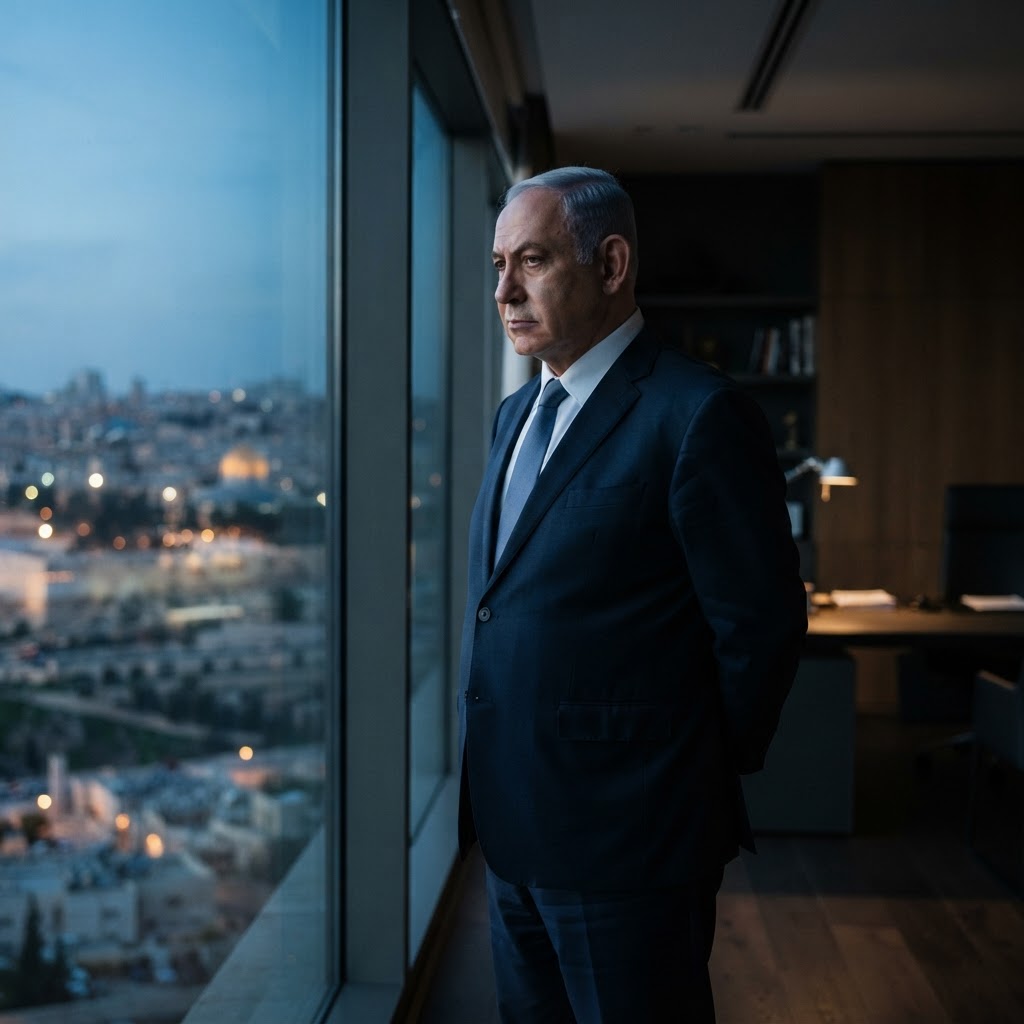
At the heart of the contest is Benjamin Netanyahu, the nation's longest-serving prime minister, who is fighting to preserve both his political legacy and his personal freedom. His campaign has been defined by a defiant posture, positioning himself as the only leader capable of navigating the state through its most existential threats. However, his rhetoric faces a challenging reality. The shadow of an International Criminal Court warrant looms large over the current administration, transforming this election into a referendum on Israel’s isolationist trajectory.
Global Scrutiny and the Gaza Report
The campaign has played out against the backdrop of an independent commission’s report, which alleges a clear intent to destroy the Palestinian population in Gaza. These findings have sent shockwaves through the international community, prompting sharp rebukes from European capitals, including London. Foreign policy analysts in the UK observe that the traditional Anglo-Israeli security partnership is now under unprecedented strain. The British government, bound by its commitments to international law, finds itself in an awkward position as it navigates the implications of the ongoing legal challenges facing the Israeli leadership.
Expert Perspectives
Sir Julian Thorne, a senior fellow at the Royal United Service Institute, suggests that this election is about more than just security. It is about the soul of the Israeli state. The electorate is starkly polarised between those who believe the military strategy in Gaza is an unfortunate necessity of survival and those who fear the moral and diplomatic cost has become unsustainable. The results will signal whether the public endorses a continuation of this aggressive posture or demands a radical shift in approach.
Economic and Social Strains
Beyond the theatre of war, domestic concerns are exerting significant pressure on the electorate. Inflation, the cost of living, and the internal strife between secular and ultra-Orthodox factions have eroded the stability of previous administrations. The failure of the last government to bridge these societal divides is a key theme for opposition leaders, who are promising a ‘new dawn’ of national reconciliation and international realignment. Yet, whether any alternative coalition can maintain a majority in a fractured Knesset remains an open question.
The Road Ahead
As the final ballots are counted, the implications will ripple far beyond the borders of Israel. Whether Netanyahu secures a path to retain power or is forced into political retirement, the country faces a long, arduous process of rebuilding both its external reputation and its internal social fabric. For the voters casting their ballots today, the choice is not merely between parties, but between two fundamentally different visions of what Israel can be in an increasingly hostile world.