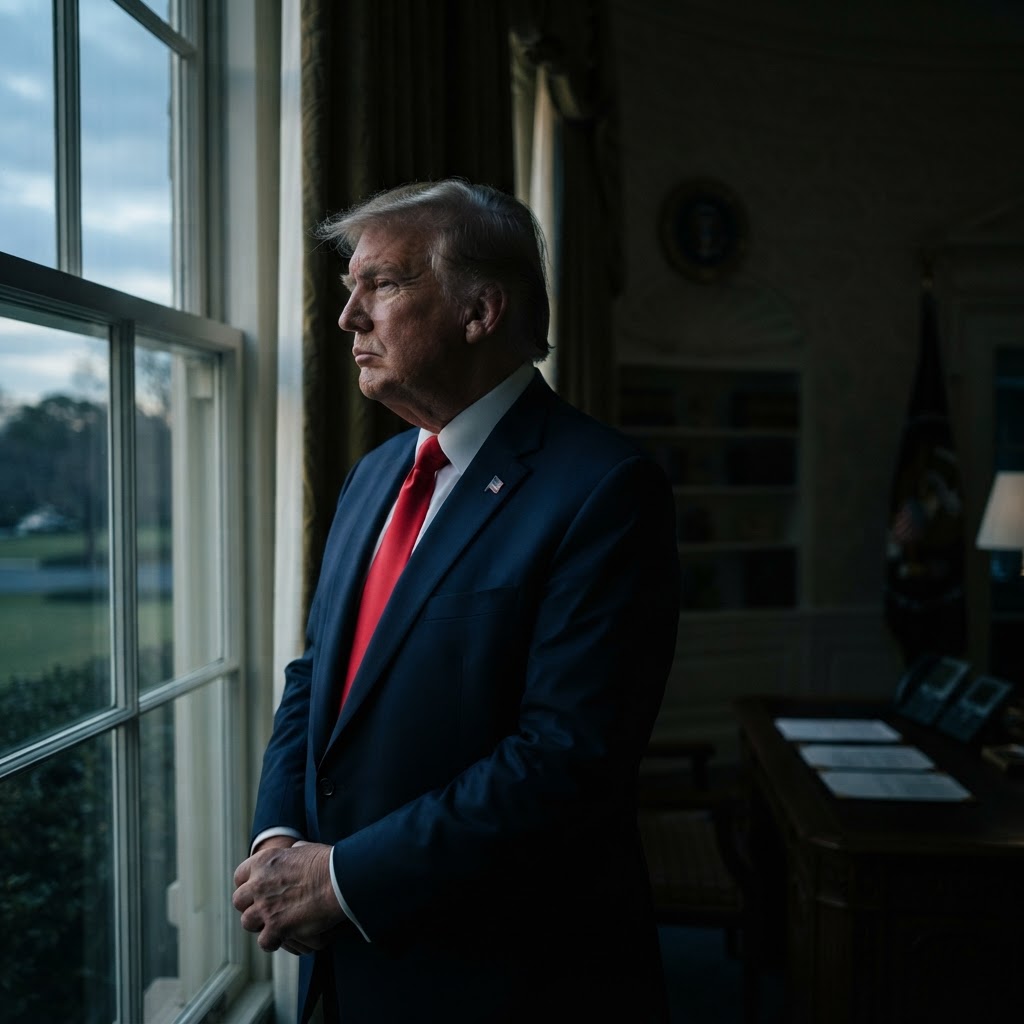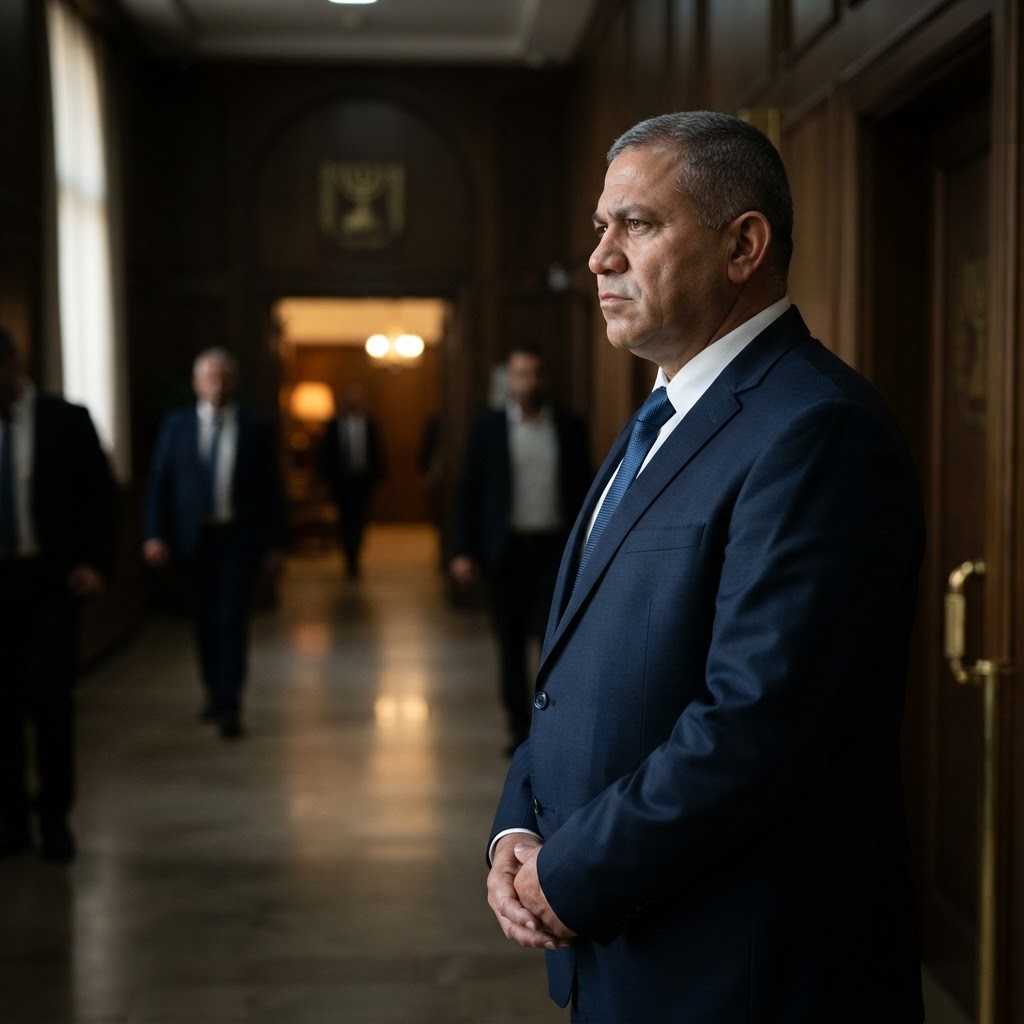
Herzog Turns to Eisenkot in Bid to Break Israel’s Political Paralysis
The appointment of the former military chief marks a pivotal challenge to Benjamin Netanyahu’s hegemony. It remains to be seen whether the pragmatic centrist can navigate the fractured landscape of the Knesset to forge a sustainable coalition.
SL
Sophie Laurent
Foreign Correspondent
Published 9 November 2026·about 11 hours ago 3 min read
Text
TopicsIsraelGadi EisenkotIsaac HerzogMiddle East PoliticsBenjamin NetanyahuKnesset
About the Author
SL
Sophie Laurent
Foreign Correspondent
Sophie Laurent reports for National Post UK with a focus on rigorous analysis and authoritative journalism — a trusted voice across British public life.
Reader Discussion · 4
Subscribers can join the conversation.
SUBSCRIBE TO COMMENT →E
Eleanor Rigby9 Nov
Having spent time in Tel Aviv recently, the mood on the street is one of total cynicism regarding the political class. I hope Eisenkot can offer something different, though I suspect he will face the same obstructionist tactics as his predecessors.
D
David Thorne9 Nov
It is difficult to see how any single appointment can resolve years of gridlock in the Knesset. They seem to be stuck in a cycle of constant elections that leaves the general public completely exhausted.
S
Sarah Jenkins9 Nov
I personally think Eisenkot is one of the few figures left with the credibility to actually bridge these gaps. It is a massive challenge, but he is known for being pragmatic and focused on the bigger picture.
A
Arthur Penhaligon9 Nov
This feels like a desperate move from Herzog. Bringing in a military man might provide some temporary stability, but it rarely addresses the fundamental political divisions causing this paralysis.