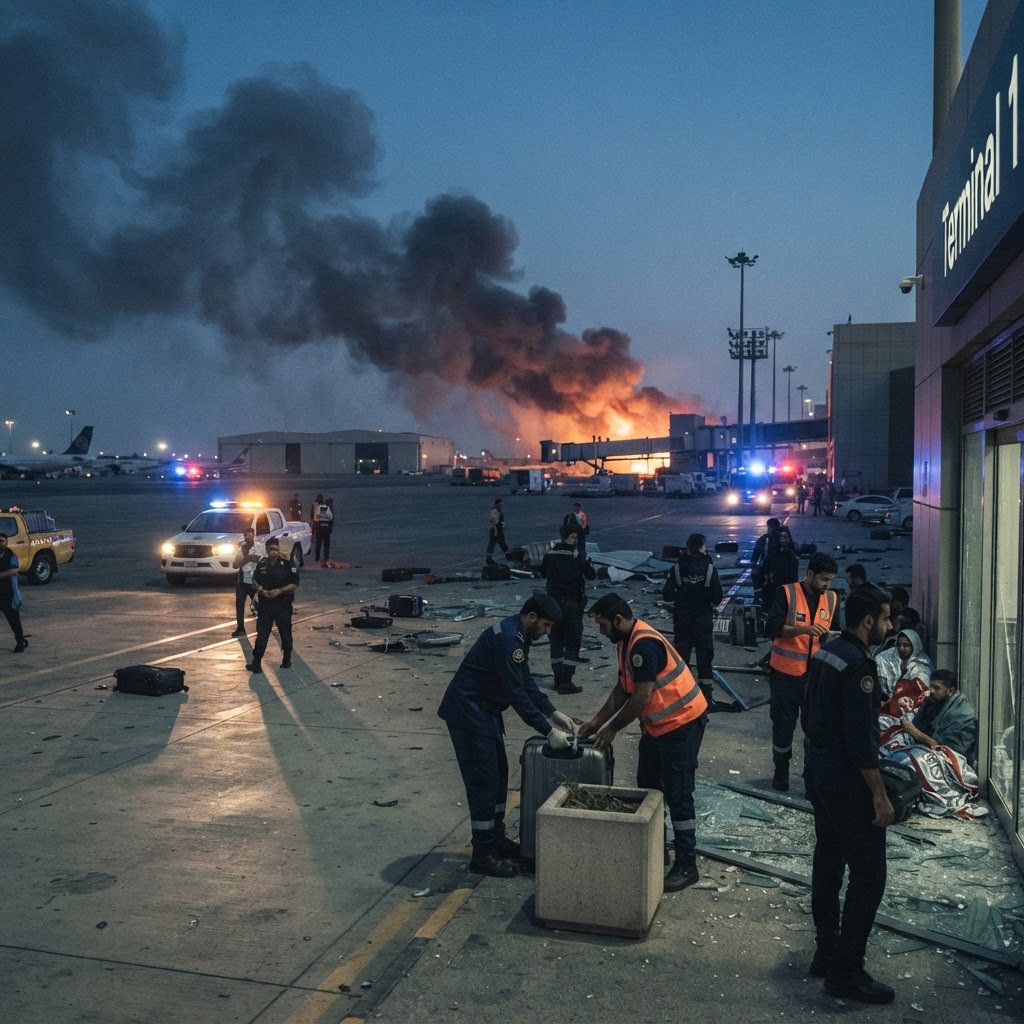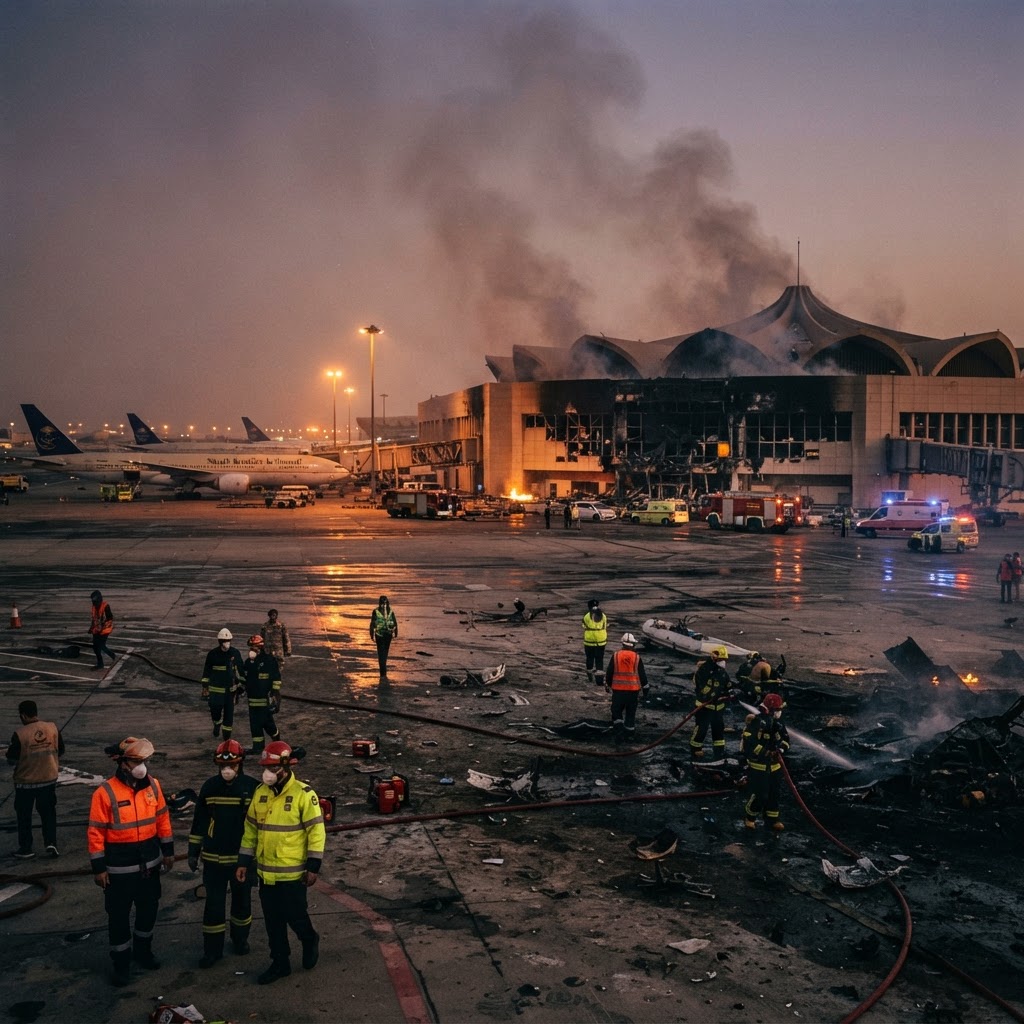
A Critical Infrastructure Failure The strategic landscape of global energy security shifted dramatically on Friday morning as Saudi state authorities confirmed the indefinite suspension of operations along the East-West pipeline. This critical artery, responsible for transporting millions of barrels of crude from the kingdom's eastern oil fields to the Yanbu port on the Red Sea, was targeted in an aerial assault that has prompted an urgent reassessment of infrastructure resilience across the Middle East. The disruption arrives at a particularly precarious juncture, with global markets already straining under the weight of heightened regional volatility.
For the United Kingdom and its European counterparts, the incident underscores the vulnerability of transcontinental energy logistics. Whilst the North Sea remains a domestic focal point, the reality remains that British fuel prices are intrinsically linked to the flow of product through the Red Sea and the Suez Canal. Whitehall officials are understood to be monitoring the situation with increasing alarm, particularly as the strike represents a significant escalation in the scope of hostilities currently characterising the Arabian Peninsula.
The Shadow of Escalation The timing of the strike is unlikely to be coincidental. Simultaneously, reports from the Yemeni front suggest that Houthi forces have secured significant territorial gains, effectively tightening their grip on the approaches to the Bab el-Mandeb Strait. This strategic chokepoint is the linchpin of global shipping, and any sustained disruption here—compounded by the paralysis of the East-West pipeline—could create a supply vacuum that would inevitably force crude prices toward historical highs.
Analysts at the London-based Energy Security Institute noted that the shift in tactical sophistication observed in this latest attack points to a dangerous evolution in the capability of non-state actors operating within the region. Dr. Alistair Finch, a senior fellow in energy geopolitics, remarked that the strike demonstrates a clear intent to weaponise critical infrastructure to influence global economic sentiment. He warned that unless the maritime and terrestrial corridors are secured with renewed vigour, the market can expect a period of extended uncertainty.
Global Market Repercussions In the City of London, traders were quick to price in the geopolitical premium, with Brent Crude futures showing immediate upward momentum in early morning trading. The psychological impact on the market is arguably as significant as the physical loss of pipeline throughput. Energy security experts argue that the incident exposes the fragile nature of just-in-time supply chains that underpin the modern industrial economy. For the UK government, the pressure is mounting to ensure that the transition to sustainable energy does not leave the country exposed to the whims of volatile transit zones.
As the international community grapples with the ramifications, the focus remains on the structural integrity of the damaged facility and the timeline for necessary repairs. Saudi authorities have maintained a guarded stance, focusing on the restoration of service while maintaining a defensive posture. However, the diplomatic fallout is only just beginning. With the Red Sea shipping lanes effectively under renewed threat, the prospect of a coordinated international maritime response is once again dominating discussions within the corridors of the United Nations and the Foreign Office.
“The incident underscores the vulnerability of transcontinental energy logistics, highlighting the fragile nature of the supply chains that underpin the modern industrial economy.”
The coming days will prove decisive. If the pipeline remains offline for an extended duration, the ripple effects will be felt at the pump and in the manufacturing hubs of Northern England and beyond. The fragility of the current status quo has been laid bare, and for global leaders, the task of re-establishing stability in the region has just become substantially more complex.