The deaths of two Italian nationals during a drone assault on Kuwait have triggered an urgent international investigation. With conflicting accounts emerging from regional powers, the United Nations has issued a stark warning against further escalation.
A Violent Escalation in the Gulf
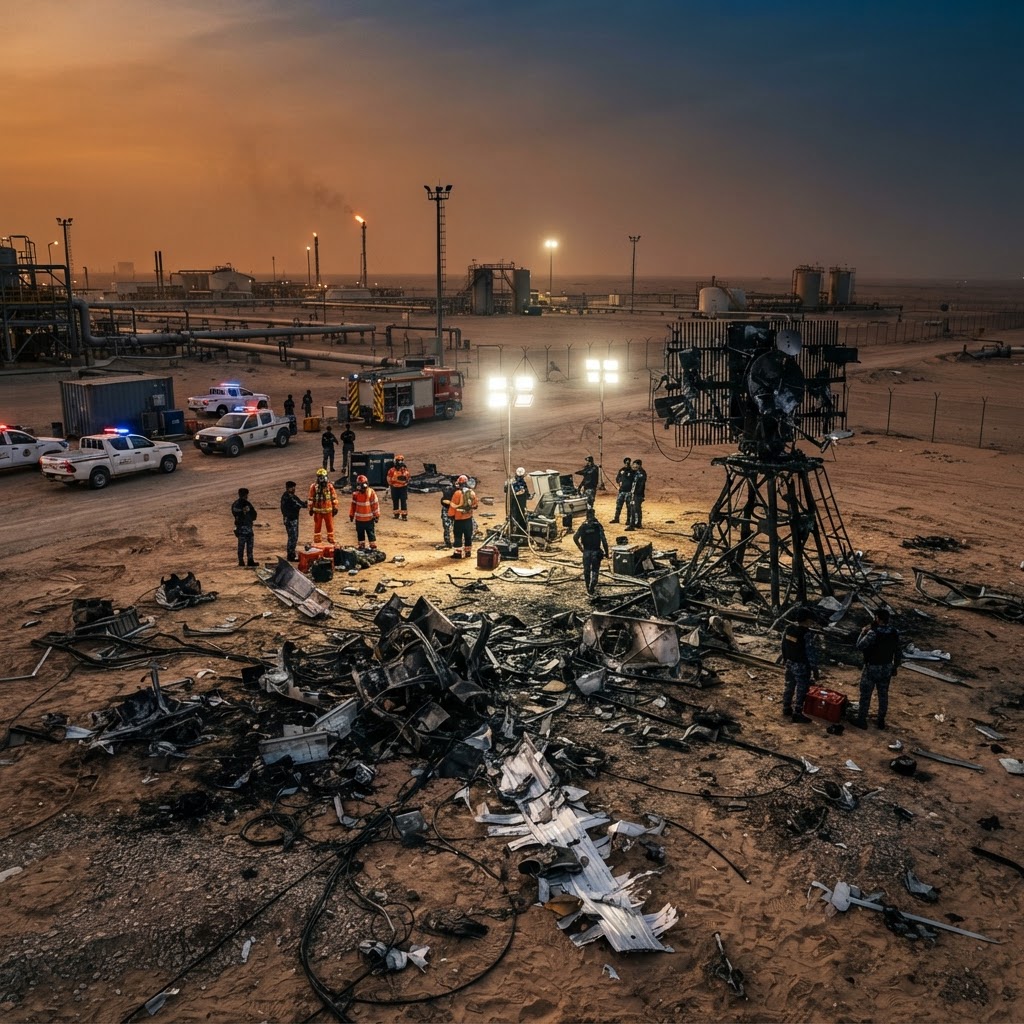
The delicate geopolitical architecture of the Persian Gulf faces a perilous new test following a lethal drone strike that claimed the lives of two Italian nationals on Friday. The incident, which occurred on the outskirts of Kuwait City, has ignited a fierce war of words between Tehran and Rome, threatening to destabilise an already volatile region. The Kuwaiti Ministry of Defence confirmed that the casualties occurred when intercepted aerial vehicles disintegrated over a restricted industrial zone, sending shrapnel and debris raining down on workers below.
Conflicting Narratives and Technical Evidence
While the Kuwaiti military has maintained that the fatalities were the result of falling debris from incoming projectiles, the Italian government has taken a significantly more assertive stance. Senior officials in Rome have confirmed that forensic analysis of the drone wreckage recovered at the site points definitively to an Iranian design. This identification contradicts the statement issued by Iranian Foreign Minister Abbas Araghchi, who has categorically denied that any assets belonging to the Islamic Republic were involved. Mr Araghchi went further, labelling the entire event as suspicious and suggesting a deliberate attempt to frame Tehran during a sensitive period of diplomatic shuttle diplomacy.
The International Reaction
The repercussions of the attack reached the United Nations headquarters in New York within hours. Secretary-General António Guterres issued a grave statement calling for immediate restraint from all regional actors, urging that no party take steps that could further broaden the conflict. From a British perspective, Whitehall remains deeply concerned. Foreign Office insiders suggest that the involvement of European citizens in an Iranian-linked strike marks a significant shift in the risk profile for Western expatriates operating in the Gulf, where industrial sites have increasingly become targets for state and non-state actors alike.
Expert Analysis on Regional Stability
Security analysts suggest that the incident highlights the proliferation of cheap, long-range unmanned aerial vehicles that are fundamentally altering the nature of regional warfare. Dr Elena Vance, a Middle East security expert at the Royal United Services Institute, noted that the use of such weaponry creates a 'grey zone' of accountability. By relying on drone technology, actors can maintain a degree of deniability while testing the defensive capabilities of their neighbours. The tragedy of the two Italian nationals, who were reportedly engaged in civil engineering consultancy, underscores the vulnerability of international staff in the region. Rome is now under domestic pressure to respond, with the Italian parliament calling for an emergency debate on the safety of its nationals abroad and the potential for a formal request for an international inquiry into the origins of the weaponry.
Seeking a Path to De-escalation
As the international community grapples with the evidence, the path forward remains clouded by suspicion and historical mistrust. Kuwait, traditionally a mediator in regional disputes, finds itself caught in the crosshairs, forced to balance its security obligations with the need to avoid a direct confrontation with its powerful neighbours. The coming days will be critical, as diplomatic efforts shift to the UN Security Council to determine whether this incident constitutes a direct act of aggression or a tragic consequence of an intensifying, multi-front shadow war. For now, the families of the victims await answers, while the wider international community waits to see if the region can step back from the brink of a larger, more destructive conflict.