A critical software fault in the national flight processing system has grounded hundreds of aircraft across major hubs. Travel experts warn that the cascading impact of the disruption will be felt for days to come.
The Anatomy of a Gridlock
The fragility of Britain's aviation infrastructure was laid bare on Wednesday morning as a catastrophic technical failure within the National Air Traffic Services (Nats) flight processing system triggered a nationwide paralysis of air travel. Thousands of passengers were left stranded in departures lounges as an unexplained glitch forced controllers to revert to manual systems, severely curbing the volume of traffic that could be safely managed in domestic airspace. The incident, which began shortly after 08:00 BST, did not result in a total closure of the skies but imposed such stringent restrictions on flight movements that the effective capacity of the network plummeted to a fraction of its operational requirement.
Airports Under Siege
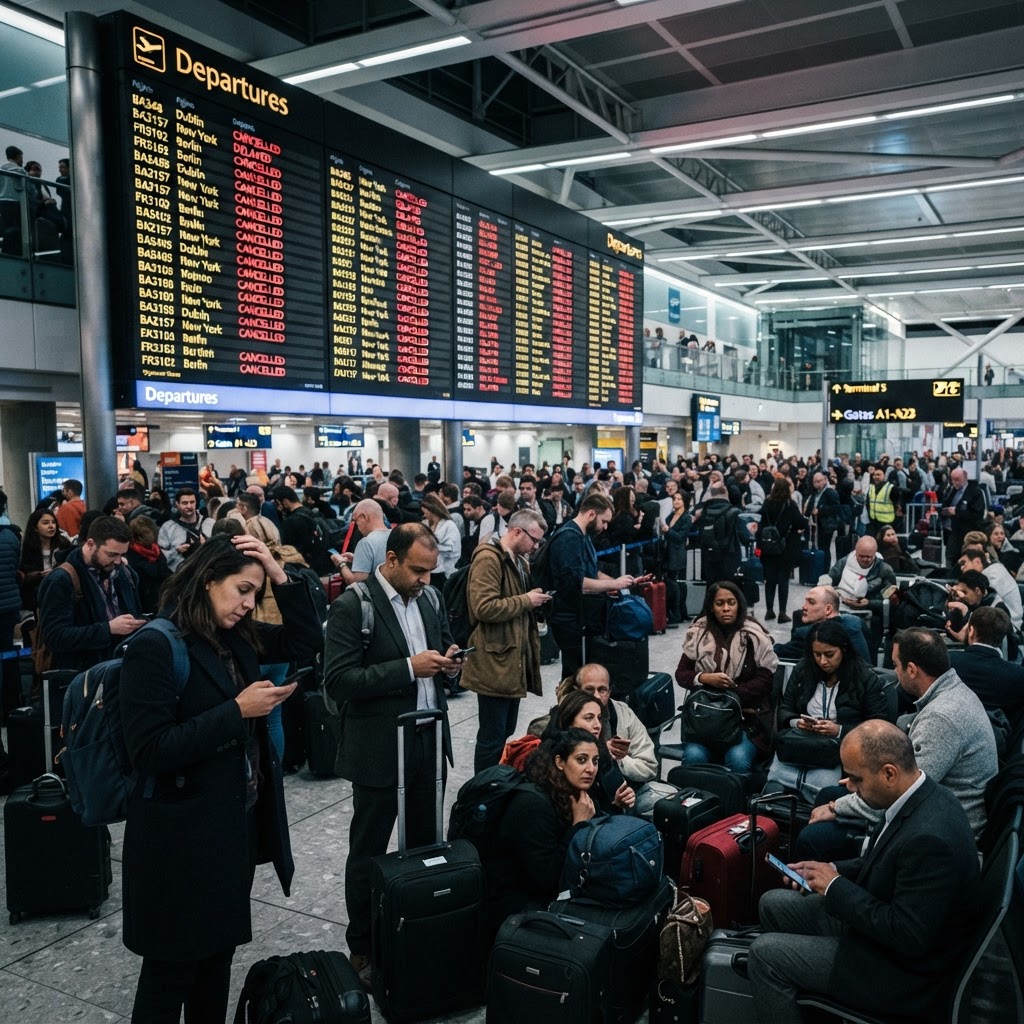
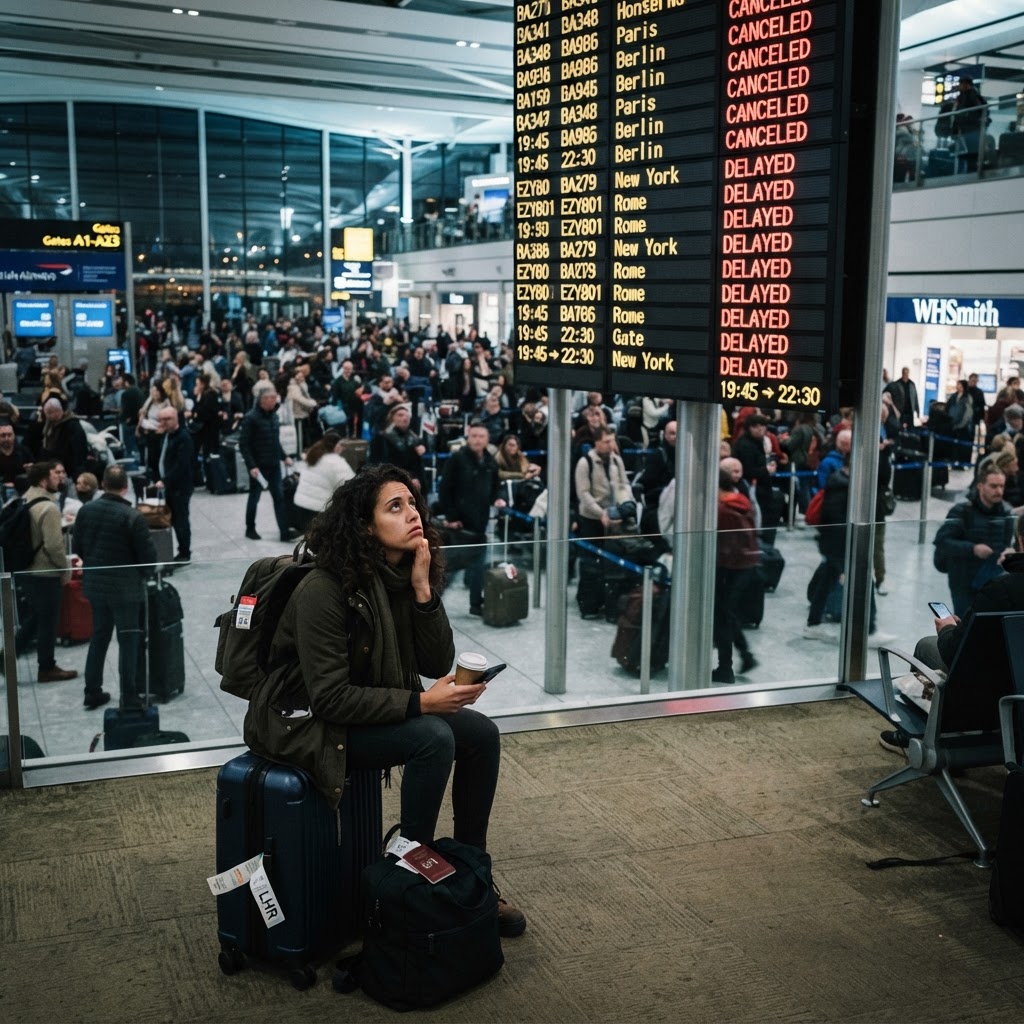
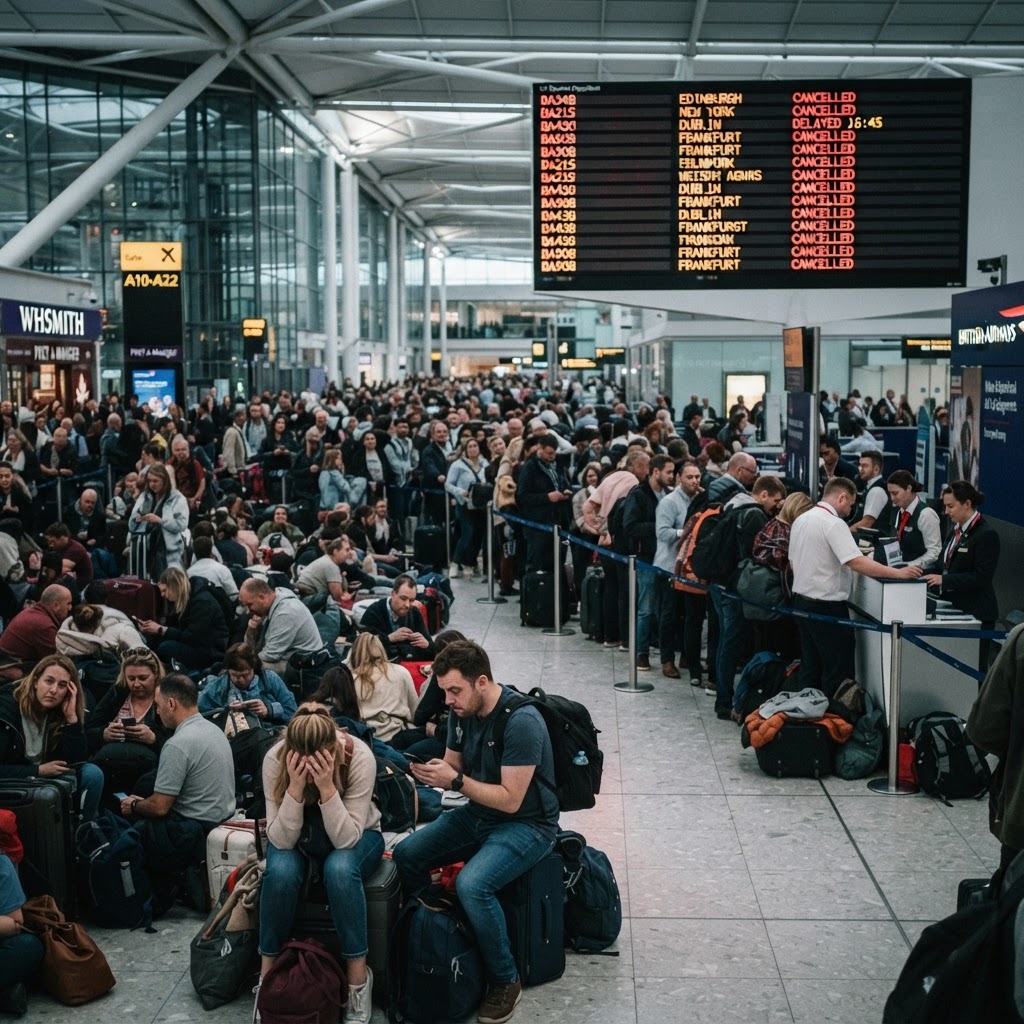
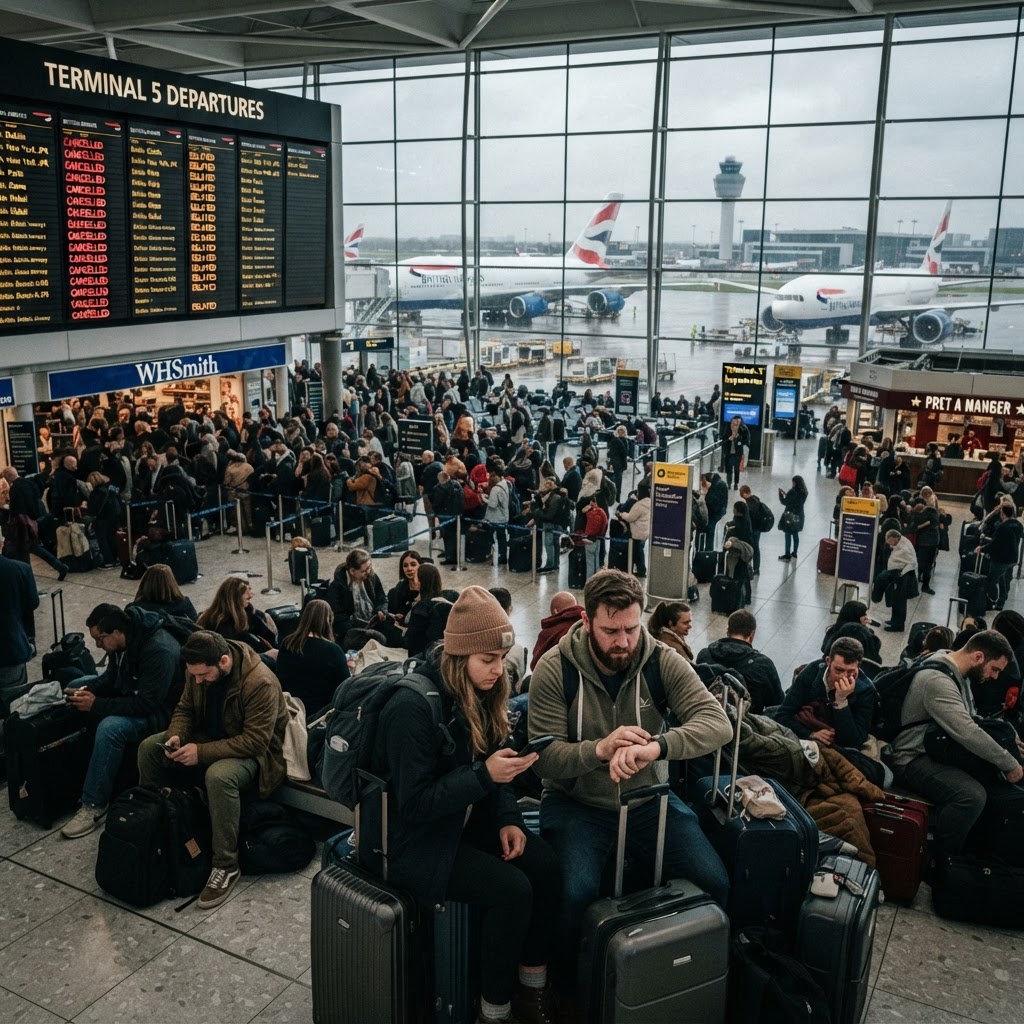
Major international gateways, most notably Manchester and Bristol, bore the brunt of the disruption as queues snaked through terminal halls and departure boards turned into litanies of cancellations. At Manchester, ground staff reported that the inability to process flight plans automatically rendered the boarding process redundant, as aircraft were unable to secure the necessary clearance for takeoff. The situation was mirrored at Bristol, where the regional hub’s reliance on tight turnaround schedules meant that even minor delays cascaded rapidly into wholesale cancellations. Passengers were greeted by the uncharacteristic sight of stationary aircraft parked on the tarmac, engines silent, as the digital heart of the UK aviation network faltered.
The Burden of Recovery
While Nats engineers were dispatched immediately to isolate the source of the fault, the restoration of service is rarely a simple reboot in the complex ecosystem of modern air travel. Aviation analysts have noted that the recovery process is inherently asymmetrical. It takes minutes to ground a fleet, but hours, if not days, to reposition crews, aircraft, and slot allocations to restore equilibrium. Even with the technical fault addressed, the industry faces the monumental task of re-homing displaced passengers, many of whom are now caught in a logistical bottleneck. The ripple effect of today's failure is expected to distort timetables well into the weekend, complicating the itineraries of thousands of international travellers.
The Fragility of Modern Skies
This incident serves as a sobering reminder of the interconnected nature of Britain’s transport infrastructure. In an era where flight planning, scheduling, and air traffic control are governed by sophisticated, highly integrated software suites, the margin for error has arguably shrunk. Critics of the current system have long pointed to the vulnerability of centralised processing units, arguing that while automation drives efficiency, it creates a single point of failure that can paralyse an entire nation when the digital architecture fails. As the Department for Transport prepares to launch an inquiry into the root cause of the outage, questions regarding the age and resilience of Nats' primary systems will undoubtedly dominate the discourse in Westminster.
Practical Advice for Passengers
For those currently holding tickets for travel in the coming twenty-four hours, the advice from the Civil Aviation Authority remains firm: engage with your airline directly before arriving at the airport. Many carriers are currently working through automated rebooking systems, and showing up at the terminal without a confirmed flight is likely to result in unnecessary distress. As the dust begins to settle on one of the most significant air traffic disruptions in recent memory, the aviation sector faces the arduous task of rebuilding public confidence in the digital scaffolding that keeps Britain flying.