National Post UK
Aviation Infrastructure Under Scrutiny Following September’s Systemic Gridlock

As October travel patterns settle into a period of uneasy uncertainty, the lingering repercussions of NATS’ September fa

The National Post

HomeTravel
Travel

Aviation Infrastructure Under Scrutiny Following September’s Systemic Gridlock

As October travel patterns settle into a period of uneasy uncertainty, the lingering repercussions of NATS’ September failure continue to dominate the agenda. Industry leaders are demanding an urgent overhaul of the UK’s aging airspace management architecture to restore public confidence.

SC

Simon Clarke

Travel Editor

Published 14 October 2026·1 day ago 3 min read
Text
Share

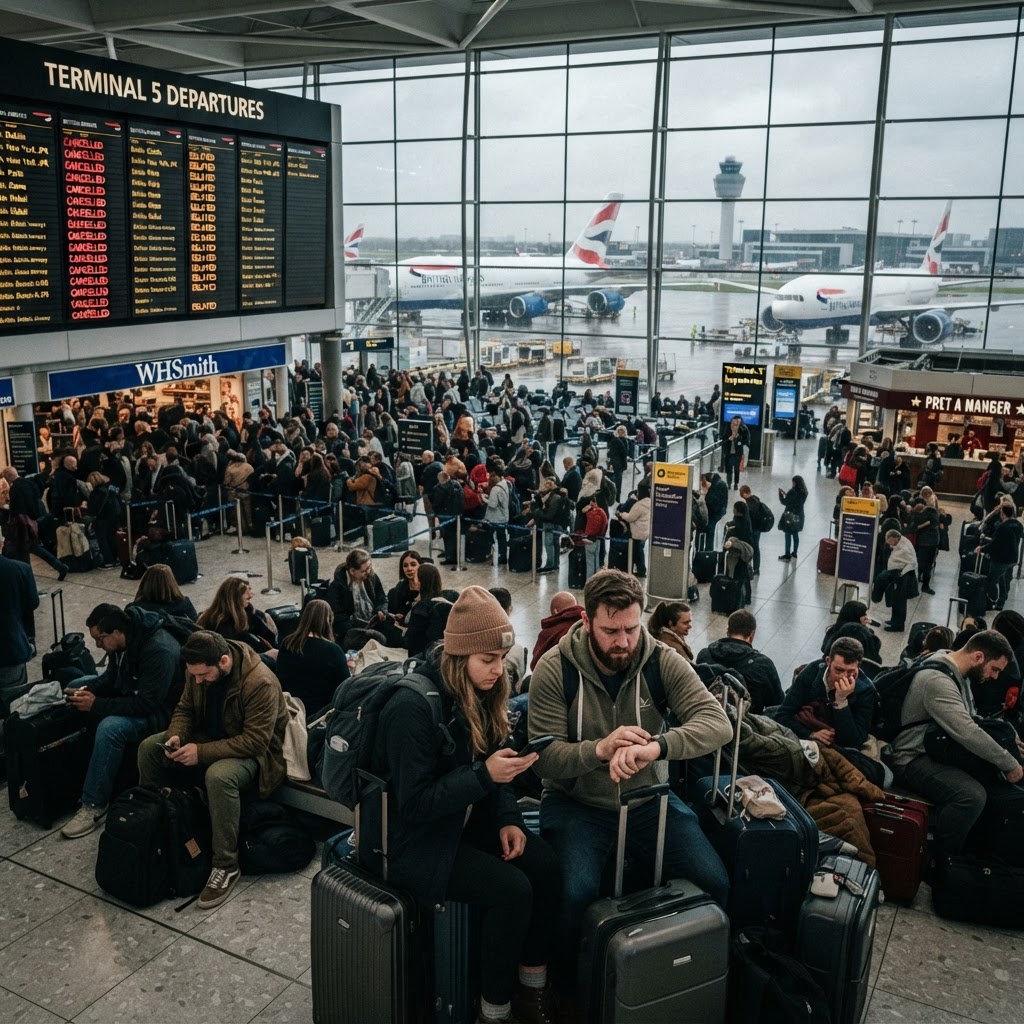
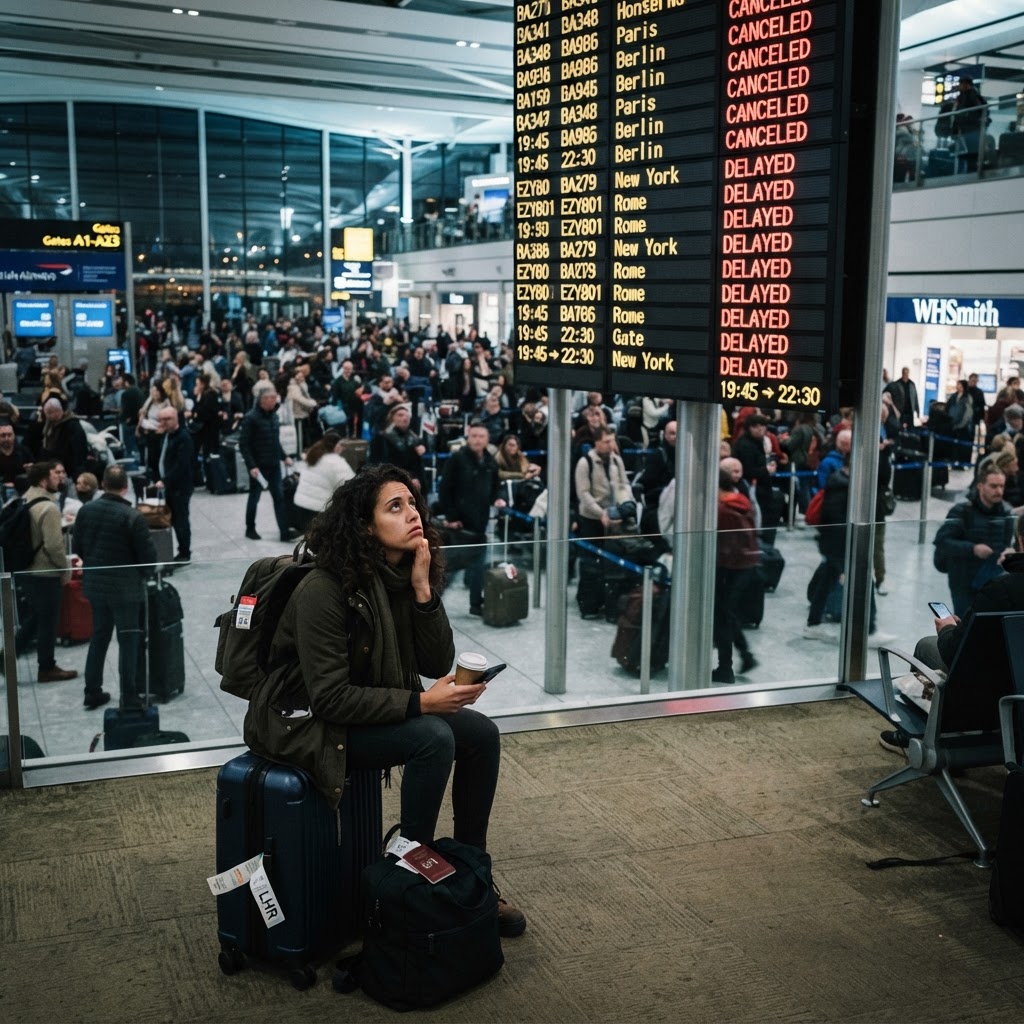
The Shadow of September For the British travelling public, October has commenced not with the autumnal lull one might anticipate, but with the echoes of a profound systemic failure. The memories of September, a month defined by the chaotic breakdown of the National Air Traffic Services (NATS) flight processing system, remain fresh. What began as a series of technical glitches rapidly cascaded into a national transportation crisis, effectively grounding operations at the country’s busiest hubs. The scale of the disruption was unprecedented, affecting more than 330,000 passengers and exposing what many now describe as a brittle foundation beneath the UK’s aviation sector.

The Weight of Infrastructure Neglect The core of the issue lies in the reliance on legacy technology. Despite the increasingly sophisticated demands placed upon the UK’s airspace, the digital infrastructure tasked with managing thousands of daily movements has struggled to keep pace. Experts argue that the September outages were not merely an isolated software anomaly but a warning sign that the current architecture is approaching its functional limit. For an island nation whose economic heartbeat relies heavily on the efficiency of its transit corridors, the fragility of NATS operations poses a long-term threat to both domestic connectivity and international standing.

A Fractured Relationship In response to the operational turmoil, Airlines UK has formalised its frustrations, delivering a pointed missive to the Secretary of State for Transport. The lobby group, representing the interests of carriers that bore the brunt of the passenger fallout, has called for a rigorous, independent audit of current technical protocols. The consensus among airline executives is that the ‘resilience’ promised by existing service-level agreements is currently aspirational rather than actual. There is a palpable shift in the mood of the industry; where once there was a reliance on the inevitability of smooth service, there is now an insistent demand for transparency and a tangible roadmap for modernisation.

The Human and Economic Cost The impact of these disruptions extends far beyond the cancelled holiday plans and delayed business meetings. The economic ripples of thousands of stranded travellers are significant, affecting local service industries and productivity across major metropolitan centres. Furthermore, the reputational damage to the UK as a primary global gateway cannot be understated. International carriers, faced with an unreliable airspace management regime, may eventually opt to pivot their flight paths elsewhere, sidelining London and regional airports in favour of more predictable European counterparts. As winter approaches, the pressure on the Department for Transport to secure funding for a comprehensive technological overhaul is mounting. The current strategy of reactive maintenance is no longer deemed sustainable by those in the cockpit or the boardroom.

TopicsAviationNATSTransportUK TravelInfrastructureAirlines UK
Share

About the Author

SC

Simon Clarke

Travel Editor

Simon Clarke reports for National Post UK with a focus on rigorous analysis and authoritative journalism — a trusted voice across British public life.

Reader Discussion · 6

Subscribers can join the conversation.

SUBSCRIBE TO COMMENT →
J
Joanna Croft14 Oct

It is frustrating to see the constant finger-pointing between the airlines and the traffic services. Passengers just want a functional service they can rely on.

D
David H. Miller14 Oct

I have stopped booking flights through major hubs during peak periods altogether. It is the only way to avoid the inevitable stress and potential for a total meltdown.

E
Eleanor Rigby14 Oct

The staff at NATS are doing their best with outdated legacy technology. Until the government commits to a full digital overhaul, I fear we will see these delays every single year.

M
Marcus Thorne14 Oct

While I agree the gridlock was a disaster, we must remember how complex our airspace management is compared to the rest of Europe. It is not as simple as just flicking a switch.

S
Sarah Jenkins14 Oct

I was stranded for 14 hours at Gatwick last month and the lack of communication was the most frustrating part. We need more than just apologies; we need actual investment in the infrastructure.

A
Arthur Penhaligon14 Oct

It is about time we had a proper, transparent inquiry into these systems. Reliability in our aviation sector is becoming a thing of the past.
More from Travel

Most Read in Travel

Morning Briefing

The day's top stories, before 7am

Join 40,000 readers who start their morning with National Post UK.