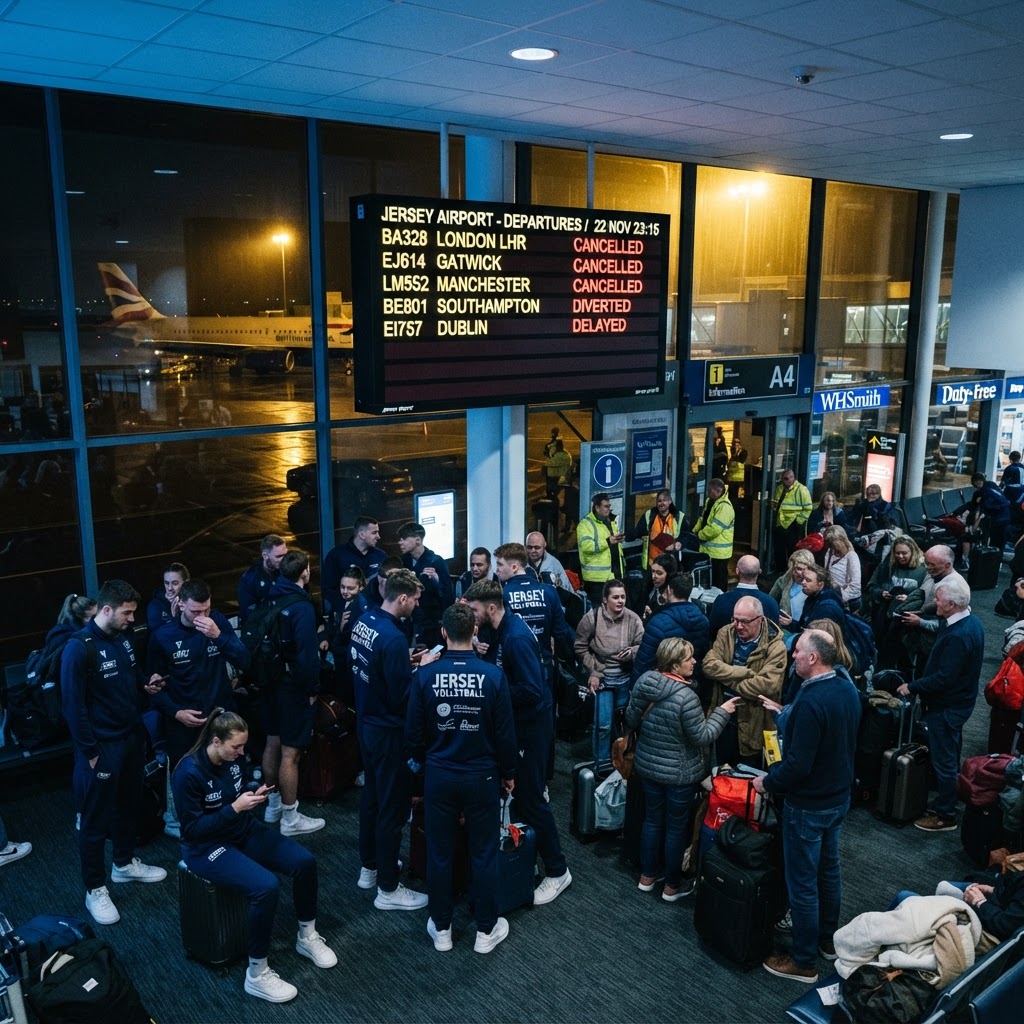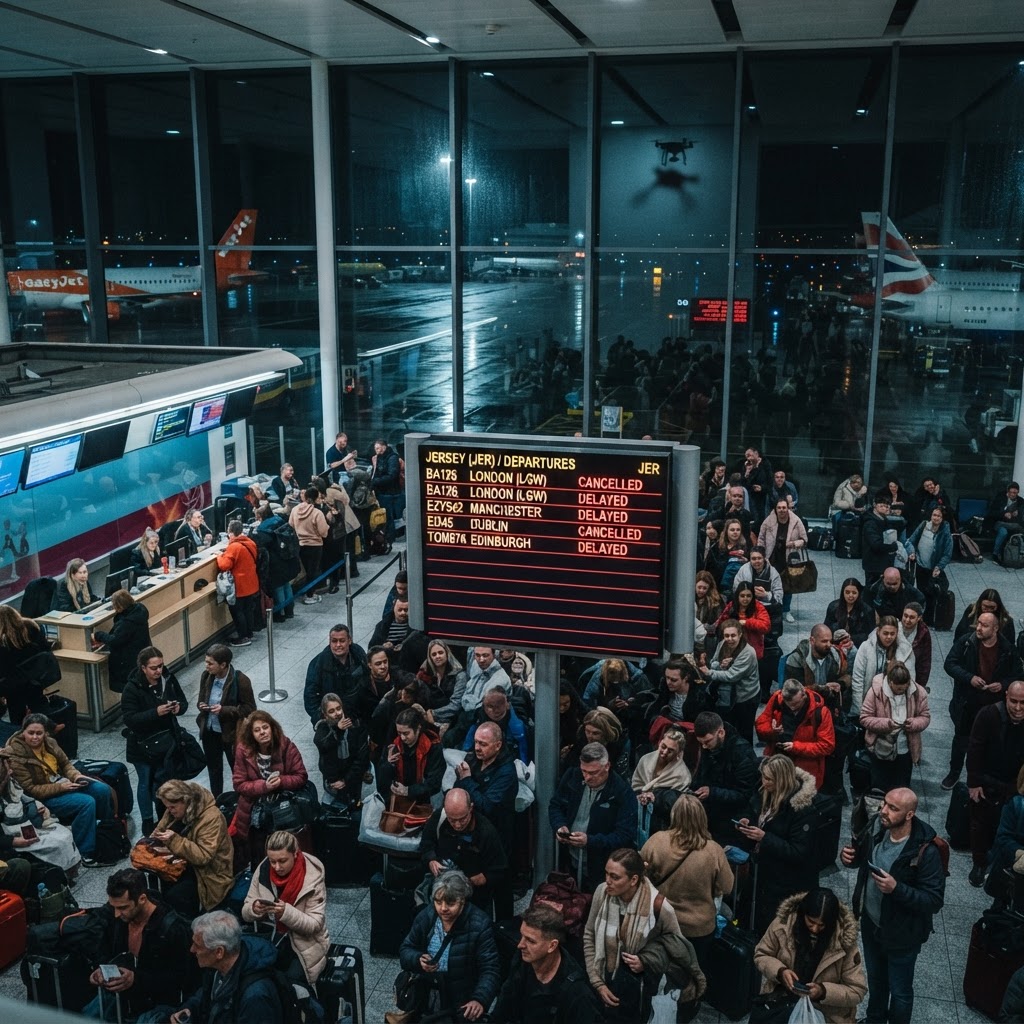
As the UK swelters under a historic heatwave, significant disruptions plague both rail and air travel today, causing widespread concern among millions of travellers. With temperatures soaring to a staggering 36.4 degrees Celsius in Somerset, the Met Office has responded by issuing red and amber extreme heat warnings for much of Southern England, the Midlands, and East Anglia, urging caution as infrastructure struggles to cope.
Network Rail Takes Emergency Measures
In a bid to maintain safety amidst these unprecedented conditions, Network Rail has imposed emergency speed restrictions across multiple lines. With ground temperatures surpassing 50 degrees Celsius, the risks of rails buckling have necessitated these measures, leading to longer travel times and further complications for commuters and long-distance passengers alike.
Major operators such as Avanti West Coast and Thameslink have advised their customers to reconsider their travel plans, with a clear message echoed: “For those with flexibility, please aim to travel on a date that falls after today.” Passengers heading to central London have faced substantial delays, adding to the agitation as they navigate the ongoing chaos.
“The patterns we’re witnessing are symptomatic of climate change. The atmospheric conditions seen today are not just an anomaly; they underscore a significant shift in our climate.”
Flight Cancellations and Delays
The aviation sector is equally hampered by the soaring temperatures, with key hubs including London Heathrow and Manchester reporting over 400 flight delays and dozens of cancellations. Airlines are grappling with heat-related operational constraints, which have created a ripple effect felt by thousands of passengers. The British Airways management, speaking on condition of anonymity, has indicated that the combination of excessive heat and nose-in situations on runways is wreaking havoc on schedules.
Describing the situation as “complex and unprecedented,” the management has also offered rebooking options for affected travellers, yet many are left stranded in terminals, frustrated and uncertain about their journeys. Heathrow has taken the extraordinary step of advising airlines to limit the number of departing flights to ease congestion, further complicating travel plans.
Historical Context
This heatwave follows a trend of increasingly severe weather patterns impacting the UK in recent years. According to the Met Office, June 2026 marks a continuation of an overly warm trend seen last year, wherein temperatures regularly soared above seasonal averages. Experts have indicated that, while sporadic hot spells are not new to Britain, the frequency and intensity of these occurrences are becoming alarmingly prevalent.
Environmental scientists have drawn attention to climate change as a driving force behind these extreme weather events. Professor Emily Donovan, a climatologist at the University of East Anglia, commented, “The patterns we’re witnessing are symptomatic of climate change. The atmospheric conditions seen today are not just an anomaly; they underscore a significant shift in our climate.”
Public Response and Safety Concerns
The public response to the warnings has varied, with some individuals opting to brave the heat while others remain in home confinement, obeying advisories to restrict outdoor activities. Emergency services have urged caution, particularly for vulnerable populations, reminding citizens of the dangers posed by rising temperatures—including heat exhaustion and dehydration.
Local councils across affected regions have rallied to provide support, with some launching initiatives to distribute water and medical assistance to those in need. Councillor Michael Harrington of Somerset County Council remarked, “We are doing everything we can to ensure that vulnerable members of our communities are supported during this extreme weather.”
Looking Ahead
Forecasts suggest that Friday’s temperatures may challenge this week’s records, further elongating the disruption for transport networks. With the heat expected to persist for several days, authorities are bracing for yet more impacts across both rail and air travel, which could extend into the weekend and beyond.
As this historic heatwave continues to unfold, British passengers are facing an uncertain few days ahead, navigating an altered travel landscape marked by caution and operational adjustments. While Network Rail and airline operators implement contingency strategies, the severity of the weather illustrates the pressing need for broader discussions on infrastructure resilience in the age of climate change.
A common sentiment resounding throughout the travelling public combines frustration with a desire for understanding: “We just want to get to where we’re going, but understanding the bigger picture is essential,” one frequent flyer noted as they waited for updates at Heathrow. With conditions unlikely to improve imminently, travellers may need to exercise patience and flexibility in adapting to today’s unprecedented challenges.