The Invisible Barrier to Affordable Travel For millions of passengers across the United Kingdom, the cost of rail travel has become an increasingly prohibitive factor in their daily lives. However, a new advisory published on 29 October 2026 by the consumer advocacy group Which? Travel has shone a spotlight on a critical, yet often overlooked, mechanism for cost reduction. The Disabled Persons Railcard, a scheme designed to provide significant financial relief to those with qualifying conditions, is currently being underutilised due to a widespread lack of awareness regarding eligibility criteria.
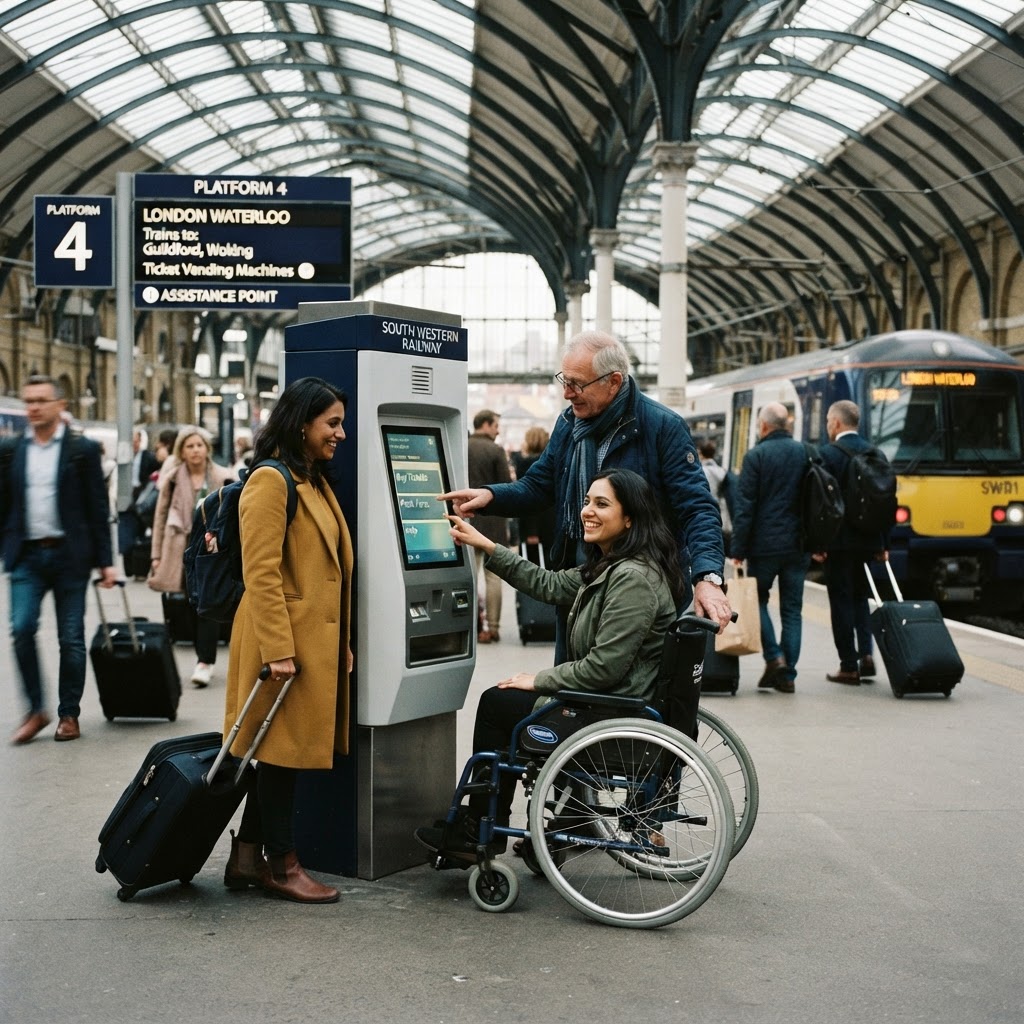
The Scope of Eligibility The guidance serves as a timely intervention following a turbulent year for the travel industry, which has seen consumer rights organisations grapple with an uptick in booking scams and complex compensation claims. While many passengers associate the railcard solely with visible disabilities or mobility aids, the actual eligibility criteria are considerably broader. Under the current framework, individuals may qualify for the card if they have a mental health condition, a learning disability, or any long-term physical health issue that significantly impacts their ability to travel or use public transport in the same manner as an able-bodied person.
This lack of clarity has led to a situation where potential beneficiaries are paying full fare, effectively placing an invisible tax on their mobility. The Department for Transport, alongside industry stakeholders, has faced mounting pressure to ensure that the application process is not merely accessible in theory, but transparent in practice. Advocates argue that the terminology used in official literature remains too clinical, often deterring those who could benefit from applying because they do not self-identify with the specific language used by the rail companies.
A Broader Context of Reform This initiative arrives during a period of transition for the UK rail network. As accessibility remains a top priority for policy-makers, the push to promote the Disabled Persons Railcard is seen as part of a wider effort to ensure that the national infrastructure is equitable. Recent consumer updates have highlighted that the rail industry has struggled to maintain trust with the public, particularly concerning the inconsistent application of the 'Delay Repay' schemes and the growing sophistication of travel-related phishing attempts. By focusing on the tangible financial benefits of the railcard—which typically offers a third off most rail fares—the government hopes to improve the relationship between the rail operators and the passengers they serve.
Industry experts suggest that the failure to communicate these benefits effectively has had a compound effect. Not only does it increase the cost of travel for vulnerable individuals, but it also discourages the use of public transport among those who might otherwise rely on rail for their commute or leisure activities. Improving the uptake of the railcard is therefore not just a matter of consumer protection, but a vital component of the broader socio-economic objective to integrate the disabled community more fully into the national economy.