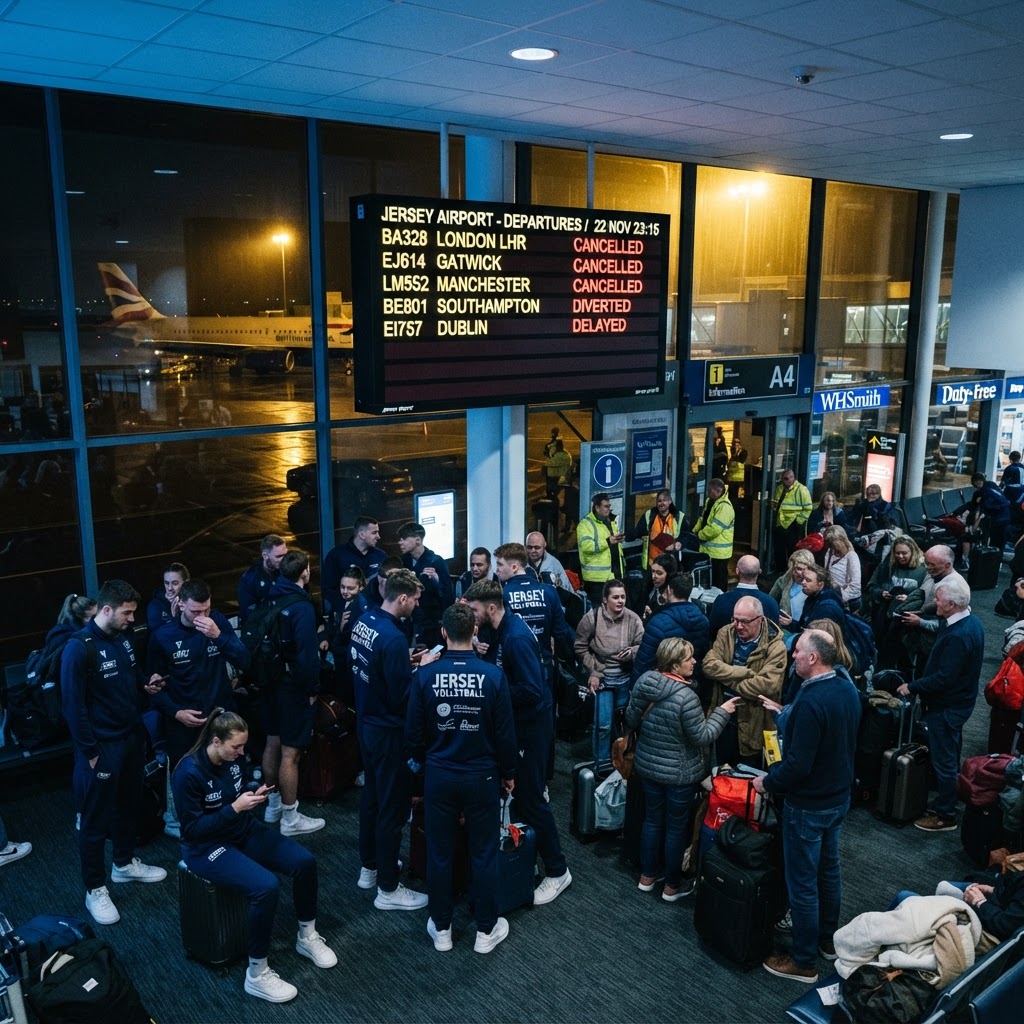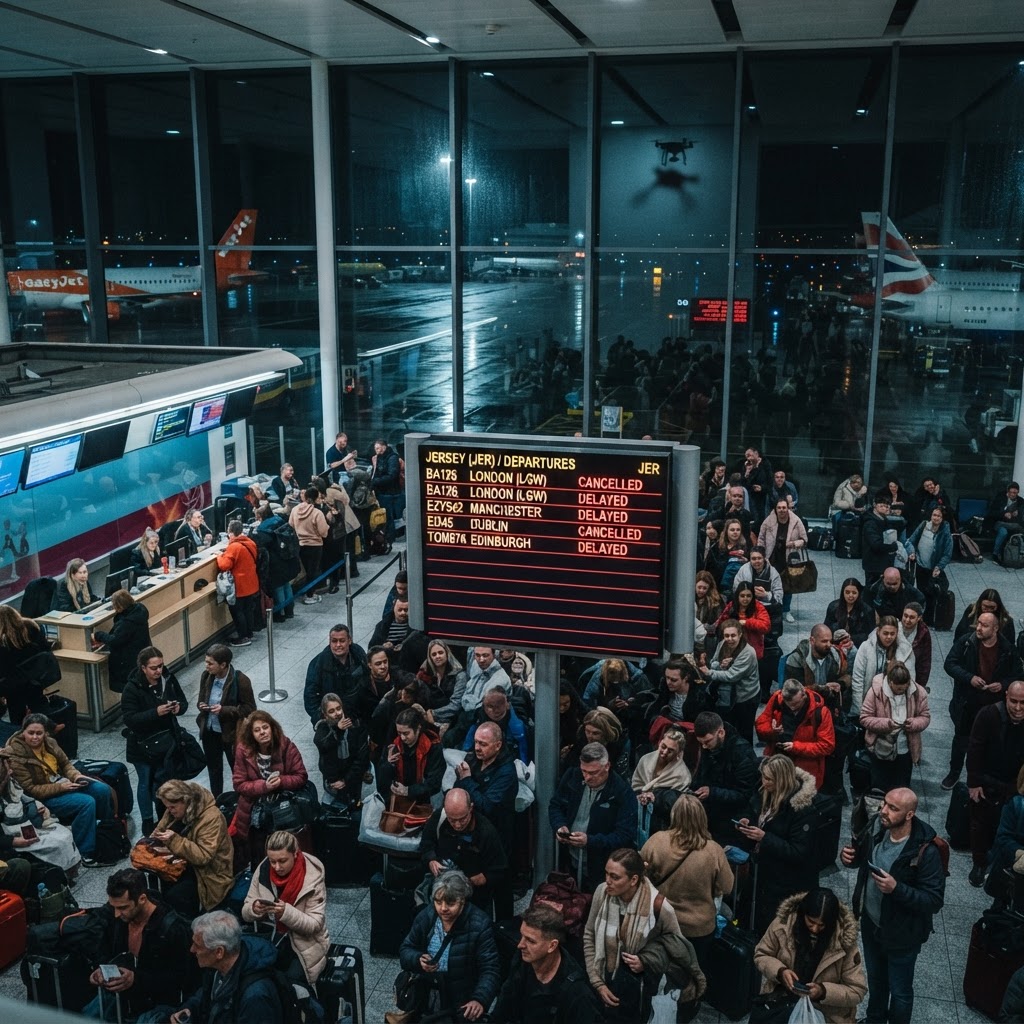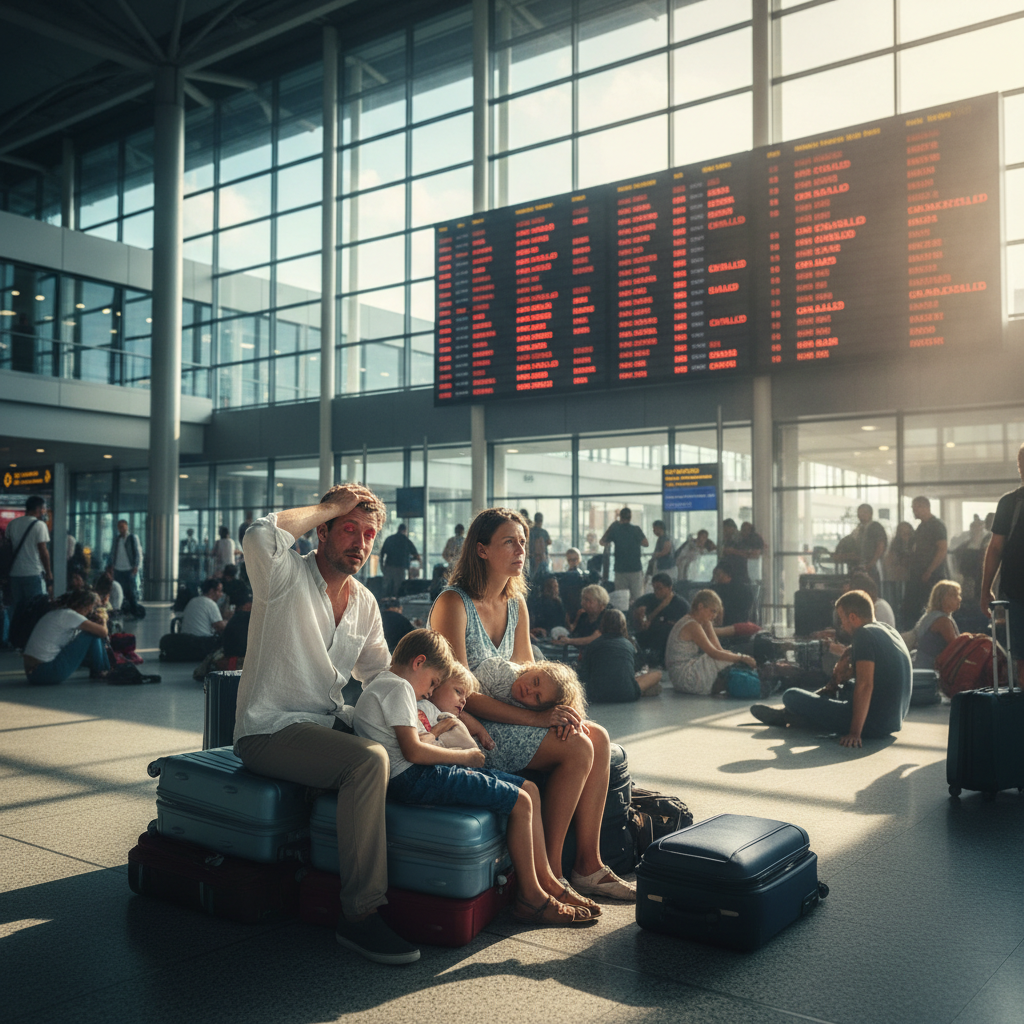
As the UK sweltered under an unprecedented heatwave, severe thunderstorms swept through South East England over the weekend, bringing air travel chaos to two of London’s busiest airports: Heathrow and Gatwick. Over 1,000 flights were either delayed or cancelled, leaving thousands of frustrated passengers stuck in cramped conditions, many on grounded planes without air conditioning.
From Saturday morning, the situation escalated quickly, with the National Air Traffic Services (NATS) implementing stringent flow restrictions in response to the 'severe convective weather.' This term refers to the rapid, vertical development of storm clouds typically associated with thunderstorms, which can lead to dangerous flying conditions.
Record Heat and Unprecedented Disruptions
This past weekend marked what was forecast to be the busiest travel weekend of the year, coinciding with an exceptionally hot June that saw temperatures soar past 30 degrees Celsius across much of the UK. The heatwave had already attracted thousands of holidaymakers eager for sunshine, but the abrupt switch to severe storms has turned what many anticipated to be a relaxing getaway into a nightmare.
“"It’s disheartening to see such a lack of preparation for disruptions, especially when we are all aware of how unpredictable the weather can be at this time of year."”
Passengers at both Heathrow and Gatwick reported waiting for up to five hours on stationary aircraft, their discomfort exacerbated by the rising temperatures inside the cabins. "I was stuck on a plane without air conditioning, sweating profusely, while we waited for the go-ahead to take off. It was unbearable," recounted one traveller from Gatwick, who asked to remain anonymous.
Major Airlines Suffer Setbacks
Major airlines, including EasyJet and Wizz Air, have faced particular challenges in managing the influx of passengers. In an effort to alleviate the growing backlog, these carriers were compelled to pre-emptively cancel dozens of flights on Saturday. EasyJet issued statements advising passengers to check their flight status ahead of time, as they worked to alleviate the disruption.
Airlines are grappling not only with weather-related delays but also the broader implications of the recent heatwave on their operational efficiency. The unprecedented heat was felt across Europe—as British Airways spokesperson commented, "The heatwave conditions can significantly affect aircraft performance, particularly during landing and take-off.”
The Broader Implications of Climate Change
This incident raises urgent questions about the capacity of airports and airlines to cope with extreme weather, a growing concern in an era of climate change. Dr. Sarah Johnson, a leading climate scientist from the University of London, noted, "As the climate continues to warm, we can expect more frequent and severe weather events, including heatwaves and thunderstorms. It is crucial for the aviation industry to adapt to these changes to ensure safety and stability in air traffic."
Furthermore, as airports expand operations to meet increasing travel demands, the need for resilient infrastructure has never been more pressing. NATS has highlighted the importance of modernising air traffic control systems to better handle such emergencies in the future.
Passenger Rights and Support
In the wake of the disruptions, frustrated passengers have raised concerns regarding their rights and compensation. The UK’s Civil Aviation Authority (CAA) outlines that passengers whose flights have been cancelled are entitled to refunds or re-routing, as well as additional compensation in cases where the disruption is not due to extraordinary circumstances. However, with many stuck in limbo, obtaining timely assistance has proven difficult.
For some, the chaotic scenes unfolding at London’s airports brought back memories of the Ryanair cancellations that plagued travellers last summer. One frequent flyer lamented, "It's disheartening to see such a lack of preparation for disruptions, especially when we are all aware of how unpredictable the weather can be at this time of year."
Looking Ahead: Solutions and Recovery
As the immediate chaos begins to subside, airports and airlines are now faced with the daunting task of rescheduling and accommodating stranded passengers while working to restore operations to normalcy. Travel experts advise those planning to travel in the coming weeks to stay informed about potential weather-related delays and to prepare for possible disruptions.
For many, this weekend's chaos is just the beginning of what might be a challenging summer travel season. As holidaymakers attempt to salvage their plans in the aftermath of severe weather, only one thing appears certain: the importance of robust contingency planning for an increasingly unpredictable climate.
In the words of Dr. Sarah Johnson, "We must be willing to learn from these experiences, ensuring both the safety of passengers and the reliability of air travel in the face of changing weather norms." As the nation comes to terms with the immediate fallout of this weekend’s events, the aviation sector is now more than ever at a crossroads, facing the dual challenges of climate resilience and passenger satisfaction.