European aviation faces wave of coordinated security hoaxes
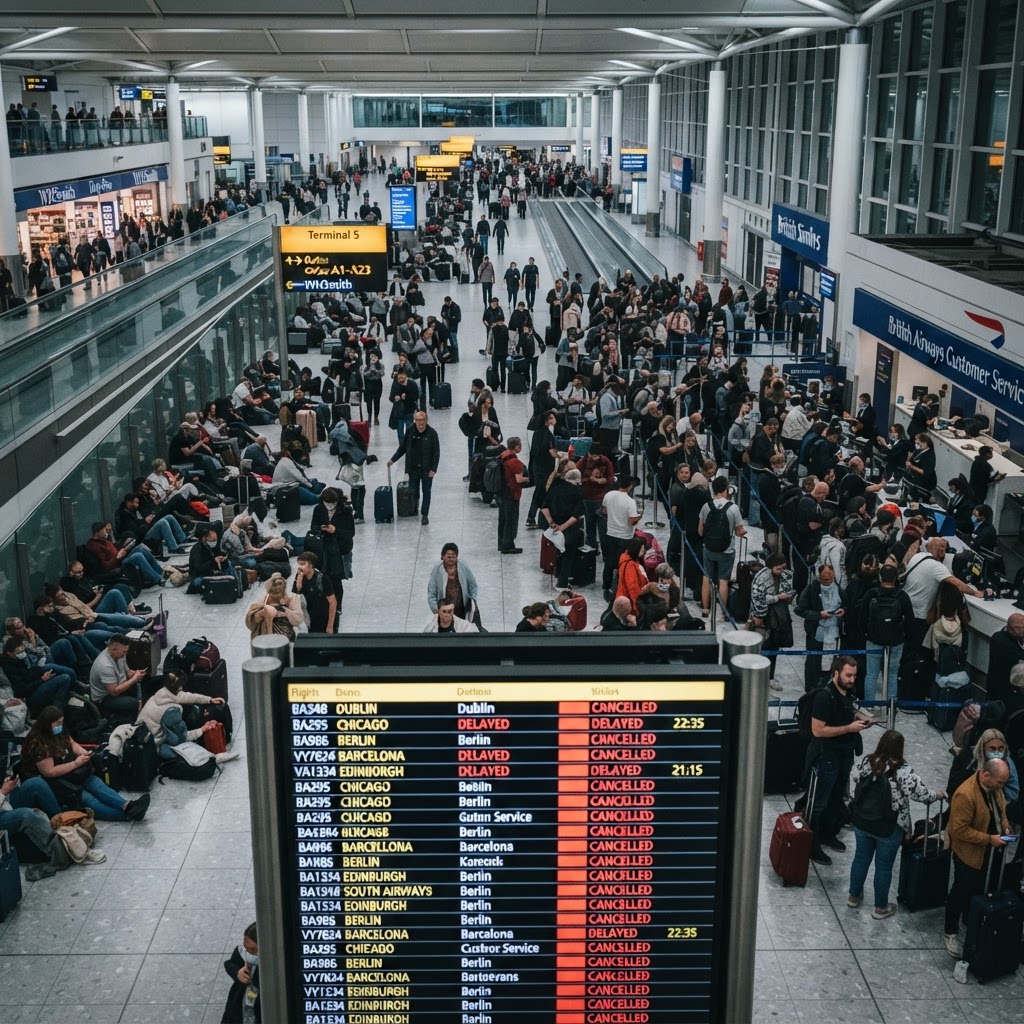
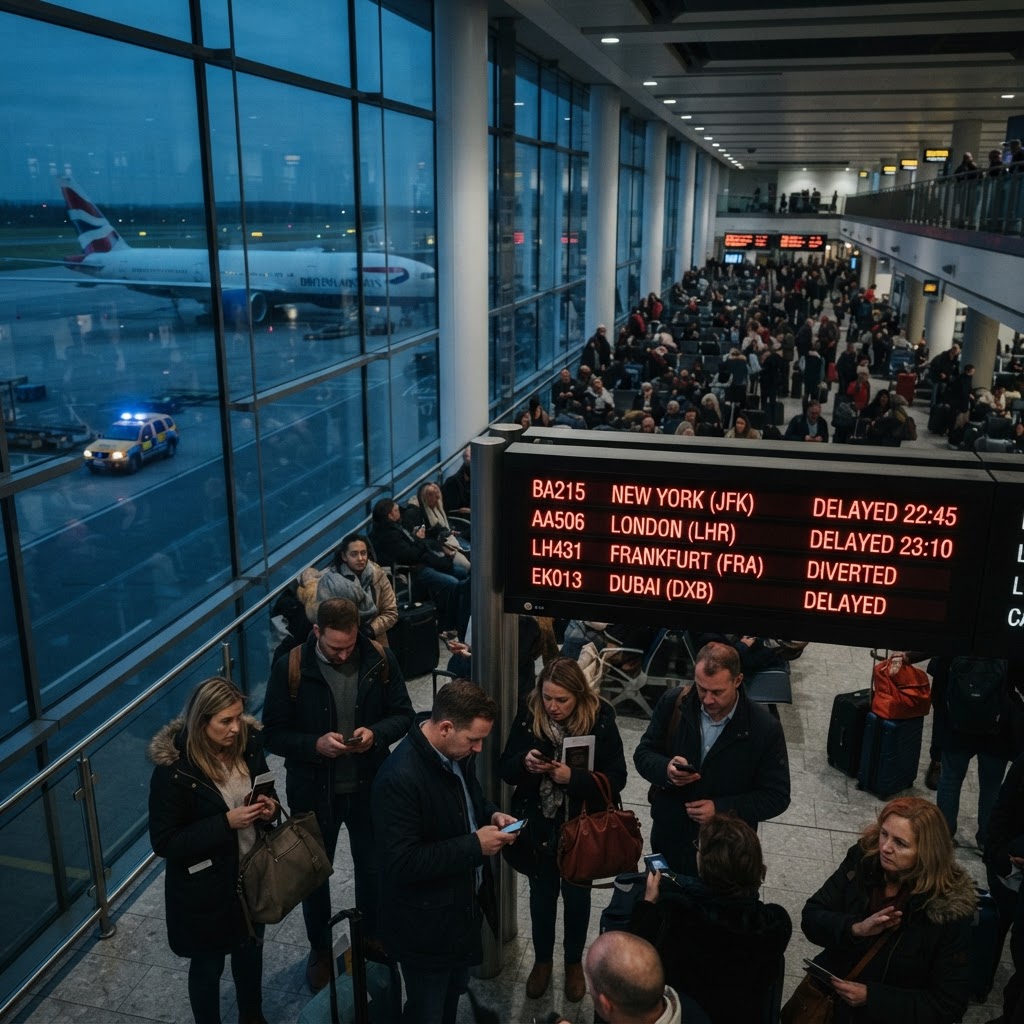
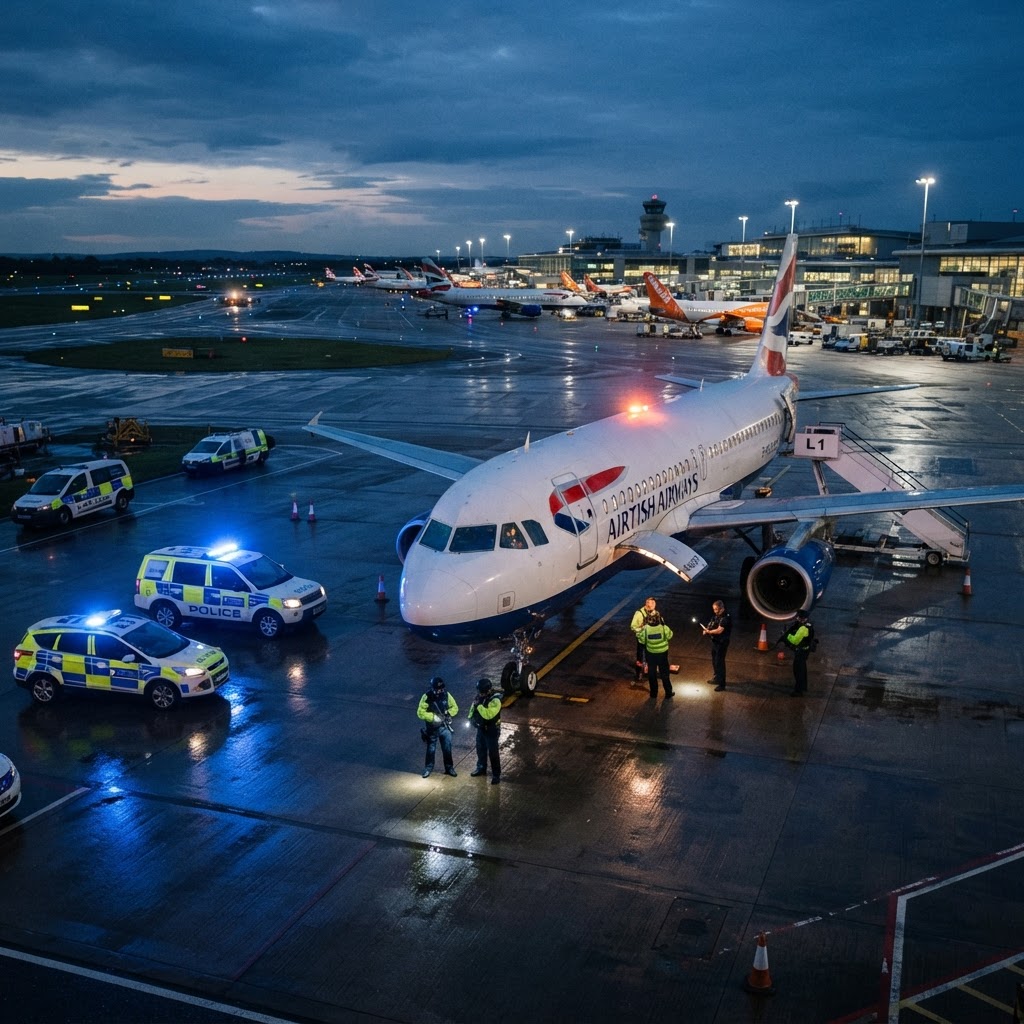
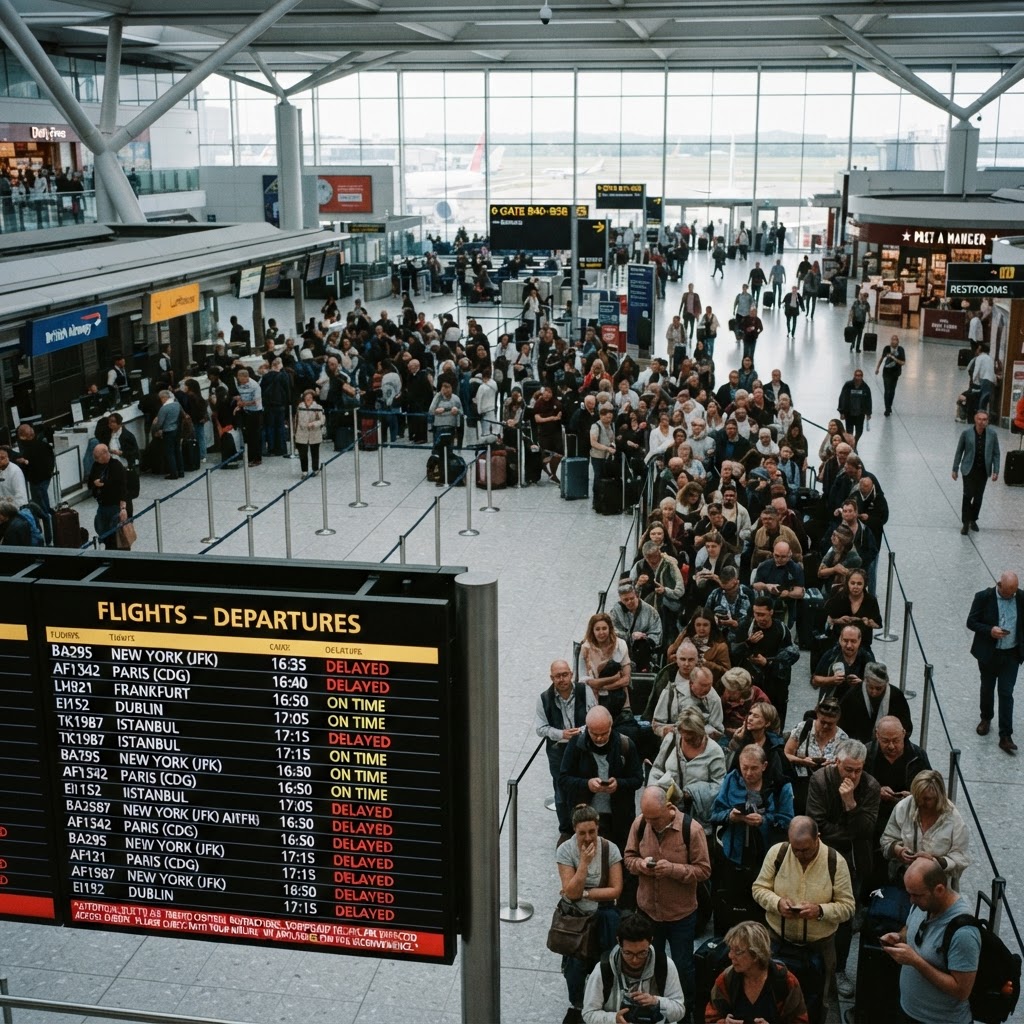
Security agencies are scrambling to track the source of a campaign targeting major airlines. Despite the absence of physical threats, the disruption underscores the growing vulnerability of civil aviation to coordinated digital intimidation.
NF
Natalie Forsythe
Travel Editor
Published 22 November 2026·about 15 hours ago 3 min read
Text
TopicsaviationsecurityEuropean transportUK newstransport policytravel
About the Author
NF
Natalie Forsythe
Travel Editor
Natalie Forsythe reports for National Post UK with a focus on rigorous analysis and authoritative journalism — a trusted voice across British public life.
Reader Discussion · 5
Subscribers can join the conversation.
SUBSCRIBE TO COMMENT →M
Mark Stevens22 Nov
Perhaps it is time to look at the common links between these airports rather than just treating them as isolated incidents. It seems far too coordinated to be the work of a single disgruntled individual.
F
Fiona Campbell22 Nov
While I appreciate security is paramount, the industry needs to find a more robust way to verify these threats without grounding half the continent every single time. It is becoming unsustainable for the aviation sector.
D
David Thorne22 Nov
It feels like we are seeing a significant escalation in how these hybrid threats are being used to disrupt critical infrastructure across Europe. Security agencies need to step up their cyber tracking capabilities before something truly serious happens.
S
Sarah Jenkins22 Nov
I was stuck at Heathrow for five hours yesterday because of this nonsense. The lack of clear communication from the airline only made the whole experience much worse.
A
Arthur Penhaligon22 Nov
Absolutely disgraceful behaviour. These malicious actors have no regard for the stress and financial burden they are placing on ordinary travellers just trying to get home.