London Luton, Birmingham, Bournemouth, and Cardiff have been brought to a standstill this morning. National Air Traffic Services have implemented urgent restrictions, leaving thousands of passengers facing widespread cancellations and significant uncertainty.
The Morning Standstill
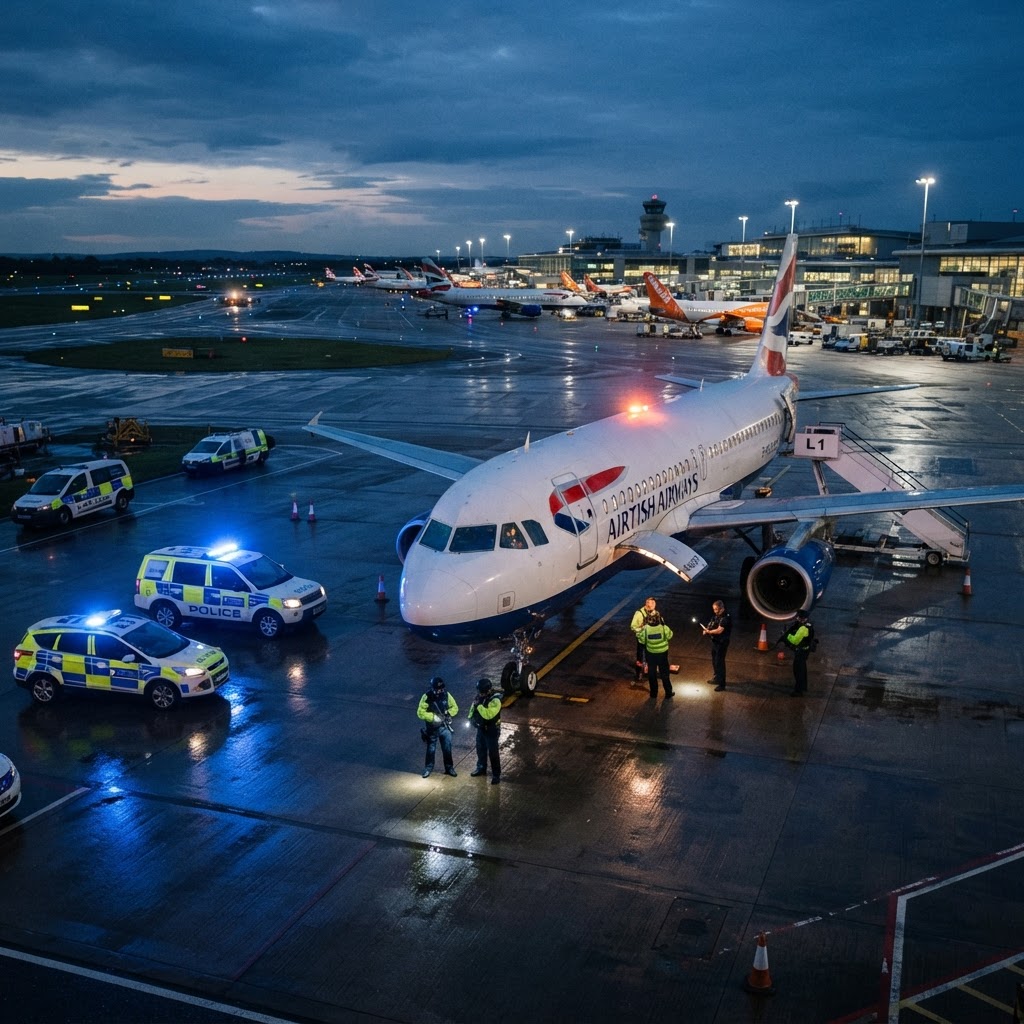
The travel landscape across the United Kingdom has been plunged into disarray this morning, as National Air Traffic Services (NATS) confirmed the implementation of stringent air traffic control restrictions affecting four major airports. As of 03:30 GMT on November 21, 2026, passengers travelling through London Luton, Birmingham, Bournemouth, and Cardiff have been met with closed runways and grounded aircraft, marking a significant escalation in the ongoing challenges facing the UK aviation sector.
The Scope of the Disruption
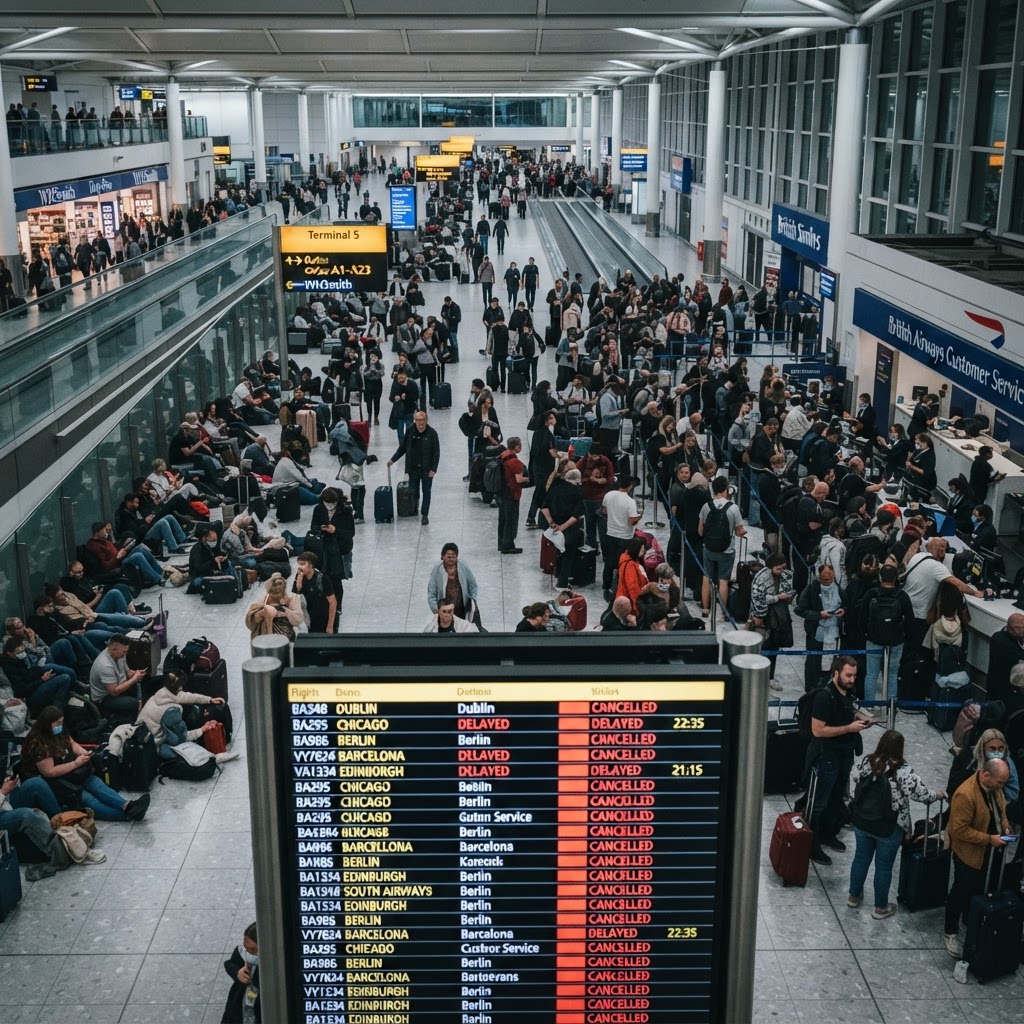
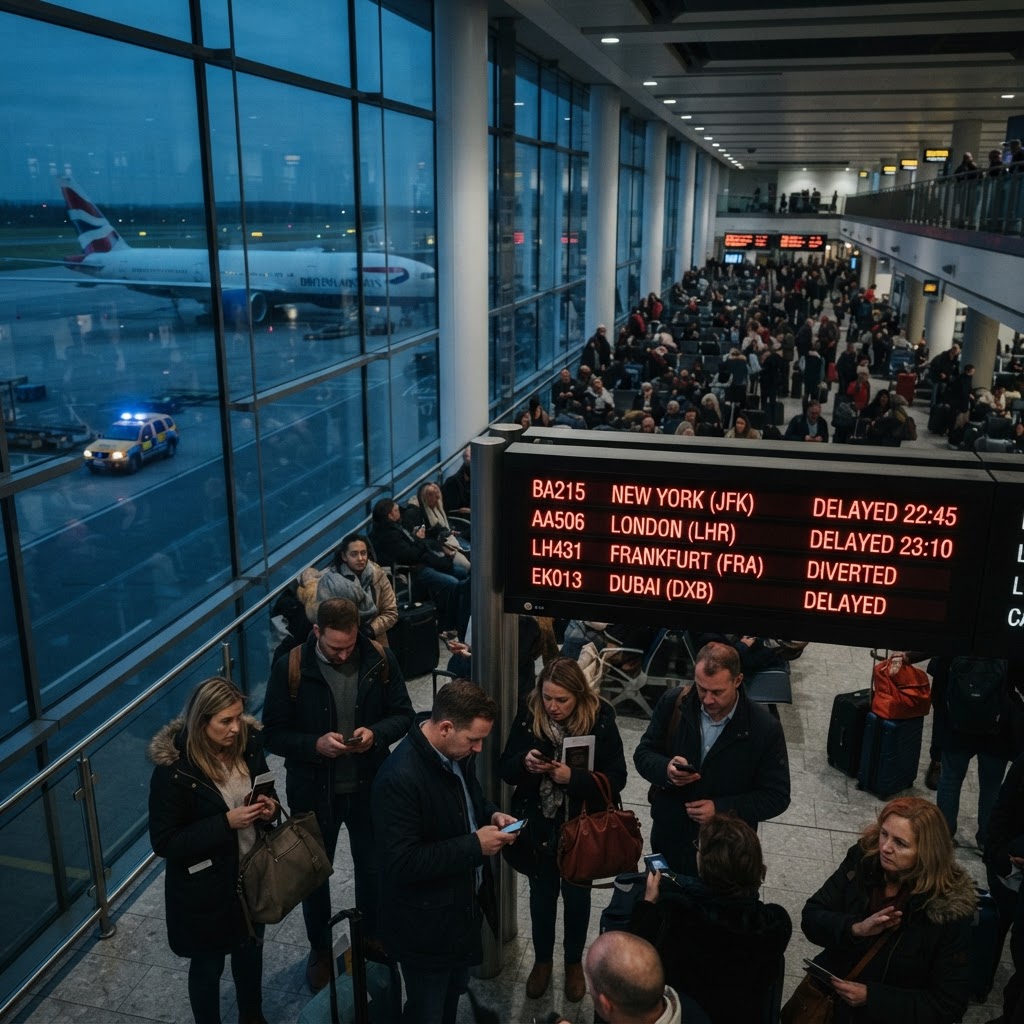
The impact of this morning’s directive is already being felt across the domestic and international network. At London Luton, one of the primary gateways for budget airlines, the atmosphere in the departure terminal is reported to be tense, with departure boards rapidly updating to indicate cancellations. Similarly, operations at Birmingham and Cardiff have been hampered by the current regulatory bottleneck. The decision, taken by NATS to ensure the safety of the skies, has effectively halted departures and arrivals, causing a domino effect that will likely persist throughout the day, even if restrictions are lifted in the coming hours.
Expert Analysis and System Vulnerability
Industry analysts have long warned about the fragility of the UK’s airspace management, which continues to operate under high pressure during peak winter scheduling. While the specific nature of the NATS restriction—whether it be a technical fault or a resource shortage—remains the subject of investigation, the result exposes the thin margin of error currently afforded to modern air traffic control. Dr. Alistair Finch, a senior consultant in aviation logistics, noted that such disruptions serve as a stark reminder of how interconnected the hub-and-spoke model remains. 'When a central nervous system like NATS experiences a restriction, the circulatory system of our aviation sector effectively clots,' Finch observed. 'The lack of redundancy in our current system means that when these directives are issued, the primary consequence is an immediate cessation of movement for commercial passengers.' The government is expected to face renewed scrutiny regarding the investment required to modernise the technical infrastructure underpinning the UK’s air traffic management.
Passenger Advice and Next Steps
For those currently holding tickets for travel to or from the affected hubs, the situation remains fluid. Airlines are scrambling to manage the backlog, with many carriers issuing urgent advice for passengers to avoid travelling to the airport before confirming the status of their specific flight. Under current aviation regulations, passengers are entitled to assistance and, in many cases, rerouting, though the scale of this disruption suggests that rebooking options will be severely limited for the remainder of the day. A spokesperson for the Civil Aviation Authority (CAA) stated that they are working closely with NATS to monitor the situation and to ensure that airlines meet their obligations to stranded passengers. However, given the unexpected nature of the restrictions, a swift resolution remains unlikely.
A Winter of Uncertainty
As the winter season settles in, today’s events will serve to compound the anxiety of business travellers and holidaymakers alike. The focus now shifts to how quickly NATS can restore normal service capacity. Until a comprehensive update is provided, the aviation industry remains on high alert, bracing for a period of extended delays that may ripple well into the coming weekend. Travellers are encouraged to monitor live flight trackers and official airline communication channels, as the infrastructure struggles to reconcile the heavy demand for airspace with current regulatory safety constraints.