
National Post UK
Aviation Chaos Subsides as Nats Faces Scrutiny Over Systemic Failure

As major London hubs resume operations following the catastrophic technical fault that grounded thousands, questions mou

The National Post

HomeTravel
Travel

Aviation Chaos Subsides as Nats Faces Scrutiny Over Systemic Failure

As major London hubs resume operations following the catastrophic technical fault that grounded thousands, questions mount regarding the resilience of Britain's critical national infrastructure. The Chief Executive of Nats now finds his position under intense pressure as regional travellers endure the final ripples of the disruption.

GW

Georgia Webb

Travel Editor

Published 29 September 2026·3 days ago 3 min read
Text
Share

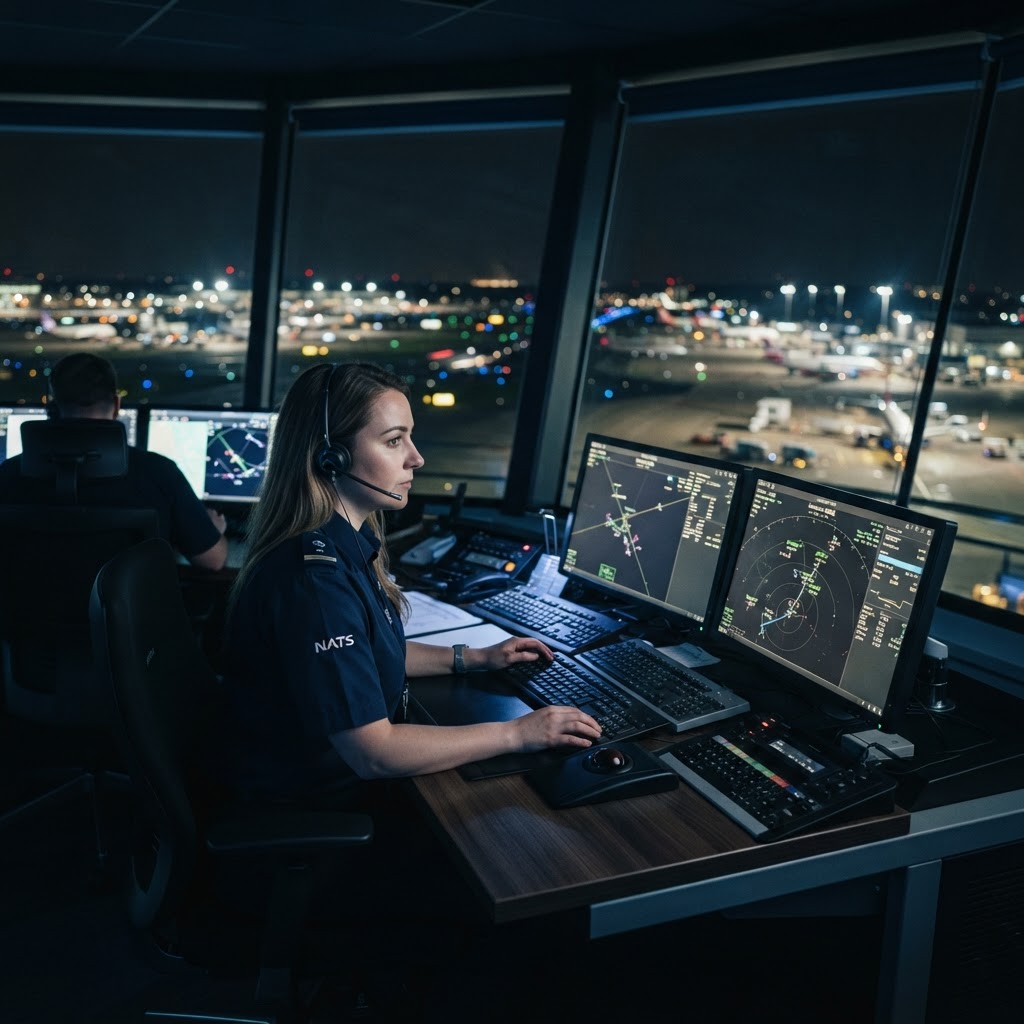
The Path to Restoration By Thursday morning, the atmosphere at London Heathrow and Gatwick shifted from one of frantic uncertainty to a semblance of regulated order. Following the collapse of the National Air Traffic Services (Nats) flight planning systems on Tuesday, the aviation industry endured one of its most testing periods in recent memory. More than 2,000 flights were struck from the departure boards, leaving tens of thousands of passengers stranded in terminals across the country. As the backlog clears, major hubs report that systems are now operating within expected parameters, though the secondary effects of the outage remain palpable.

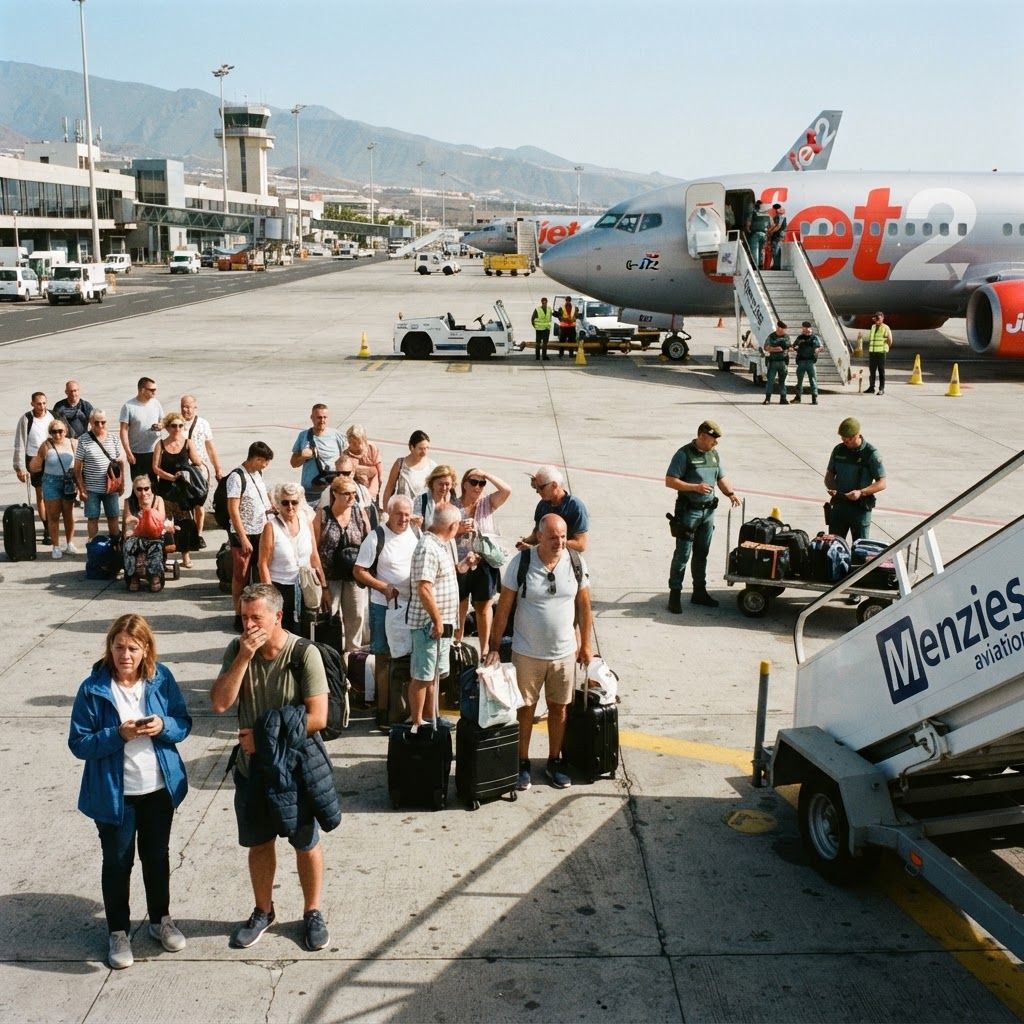
Regional Disparities While the capital’s primary arteries are pulse-check ready, the prognosis for regional aviation is less optimistic. Airports such as Bristol continue to grapple with rolling delays and cancellations, a phenomenon experts attribute to the complex 'domino effect' of crew displacement and aircraft positioning. When an air traffic control system ceases to function, the ripple effects are not merely immediate; they disrupt the tightly synchronised choreography of European aviation for days. Aviation analyst Julian Thorne notes that regional hubs, which often operate with thinner staffing margins and less flexible operational buffers, frequently bear the brunt of such recovery phases.

The Burden of Leadership The operational crisis has inevitably transitioned into a political one. Martin Rolfe, the Chief Executive of Nats, is currently the subject of rigorous scrutiny, with transport unions and consumer advocacy groups calling for his resignation. Critics argue that the failure, which was reportedly linked to a singular, anomalous flight plan, exposed a fragile dependence on legacy software within the nation’s critical infrastructure. The Department for Transport has signalled that an inquiry is imminent, tasked with determining whether the failure was a result of underinvestment or an inherent vulnerability in the current flight-processing architecture.

A System Under Pressure The incident has reopened the debate regarding the privatisation and management of the UK’s airspace. Industry observers maintain that while the Nats system is generally regarded as one of the most reliable in the world, the sheer volume of post-pandemic travel has placed unprecedented strain on existing frameworks. Without robust redundancies, the system remains susceptible to singular points of failure that can paralyse the national economy. As the dust settles, the aviation sector faces a difficult reckoning. The expectation of seamless connectivity is central to the modern British economy, and Thursday's slow recovery serves as a stark reminder of how precarious that promise can be when the invisible networks of the sky falter.

TopicsAviationNatsTravelUK TransportHeathrowGatwickInfrastructure
Share

About the Author

GW

Georgia Webb

Travel Editor

Georgia Webb reports for National Post UK with a focus on rigorous analysis and authoritative journalism — a trusted voice across British public life.

Reader Discussion · 6

Subscribers can join the conversation.

SUBSCRIBE TO COMMENT →
E
Eleanor Rigby29 Sept

Credit where it is due, the ground staff at Heathrow worked their socks off to get everyone moved along once the systems were back up. They were clearly under immense pressure from frustrated passengers.

J
James Sinclair29 Sept

It is worth noting that our air traffic control technology is ageing and has been underfunded for years. This was an accident waiting to happen, regardless of who is running the show.

M
Margaret Hughes29 Sept

I lost an entire day of my holiday and my luggage is still currently in another country. I expect the airlines will try to wriggle out of compensation, but I will be pushing my claim all the way.

D
David Thorne29 Sept

People are quick to blame NATS, but we should remember how complex these systems are. I would rather they shut it down to prevent a safety incident than gamble with people's lives.

S
Sarah Jenkins29 Sept

I was stuck at Gatwick for twelve hours with two young children. While I appreciate the staff were doing their best, the complete lack of communication from the airlines made the situation so much worse.

A
Arthur Penhaligon29 Sept

It is all well and good that things are back to normal, but I want to know why there wasn't a proper contingency plan in place. A single point of failure bringing down the entire national airspace is simply unacceptable in this day and age.
More from Travel

Most Read in Travel

Morning Briefing

The day's top stories, before 7am

Join 40,000 readers who start their morning with National Post UK.