The Three Billion Pound Surge: How Premier League Spending Redefined the Global Market
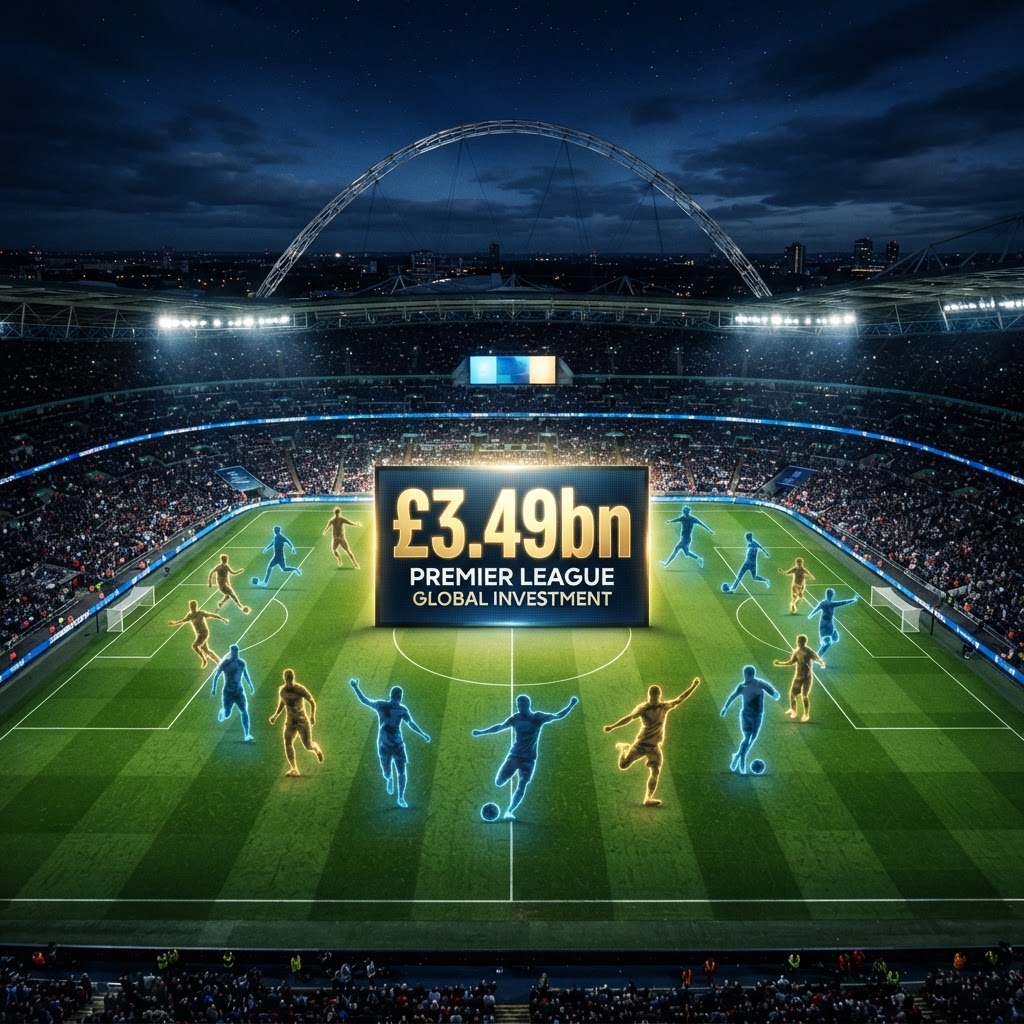
English football has cemented its position as the undisputed financial superpower of the sport. With total summer investment reaching £3.49bn, the gap between the Premier League and the rest of Europe has widened into a chasm.
AM
Alex Murray
Sports Correspondent
Published 16 September 2026·2 months ago 3 min read
Text
TopicsPremier LeagueFootball TransfersFinancial SustainabilitySports EconomicsUK Sport
About the Author
AM
Alex Murray
Sports Correspondent
Alex Murray reports for National Post UK with a focus on rigorous analysis and authoritative journalism — a trusted voice across British public life.
Reader Discussion · 4
Subscribers can join the conversation.
SUBSCRIBE TO COMMENT →C
Clive Higgins16 Sept
Football has always been a business, but the inflation in transfer fees is reaching a point of total absurdity. It is turning the beautiful game into little more than a high-stakes financial trading floor.
M
Marcus Reid16 Sept
While the quality on the pitch is undeniable, I worry about the disconnect between these astronomical fees and the cost of a match-day ticket for the average supporter. The grassroots game is still crying out for proper funding.
S
Sarah Jenkins16 Sept
The Premier League is the envy of the world for a reason. This level of investment is the only way to ensure the best players continue to choose England over the likes of Spain or Germany.
D
David Thorne16 Sept
It is absolutely staggering how much money is sloshing around the top flight these days. You have to wonder how long this bubble can realistically last before the smaller clubs feel the pinch.