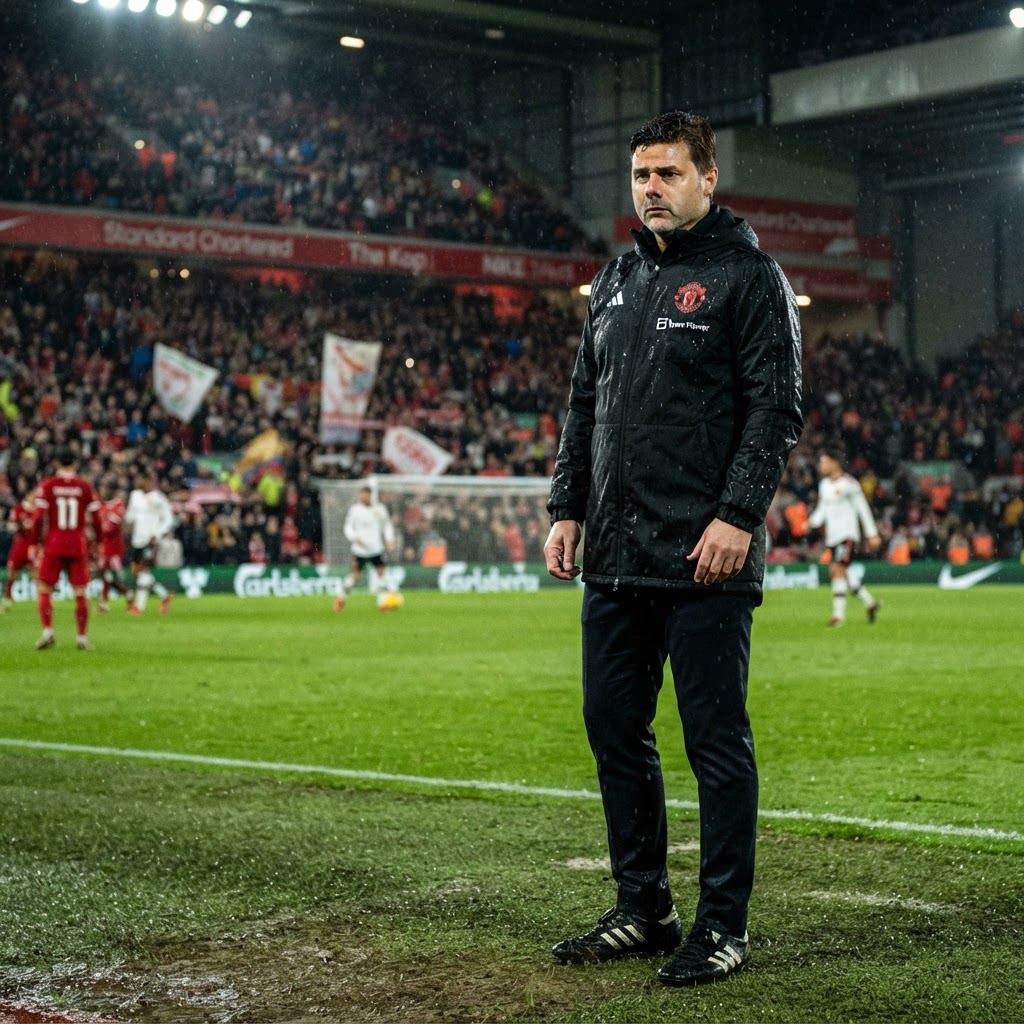
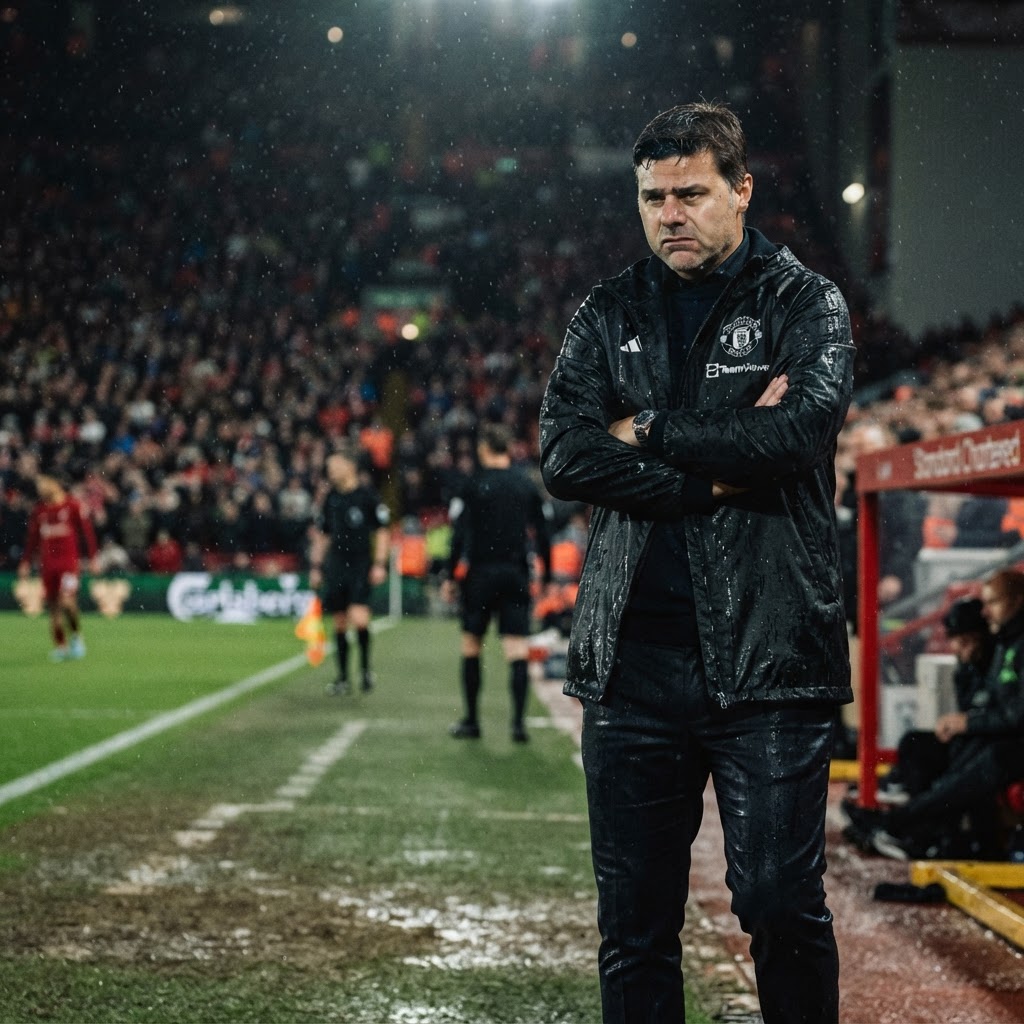
A baptism of fire for Manchester United’s new manager ended in a dismal 4-0 defeat at Liverpool. Despite the tactical optimism surrounding his appointment, the Argentine faced a grim reality as his side finished the match with ten men.
A brutal induction for the Argentine
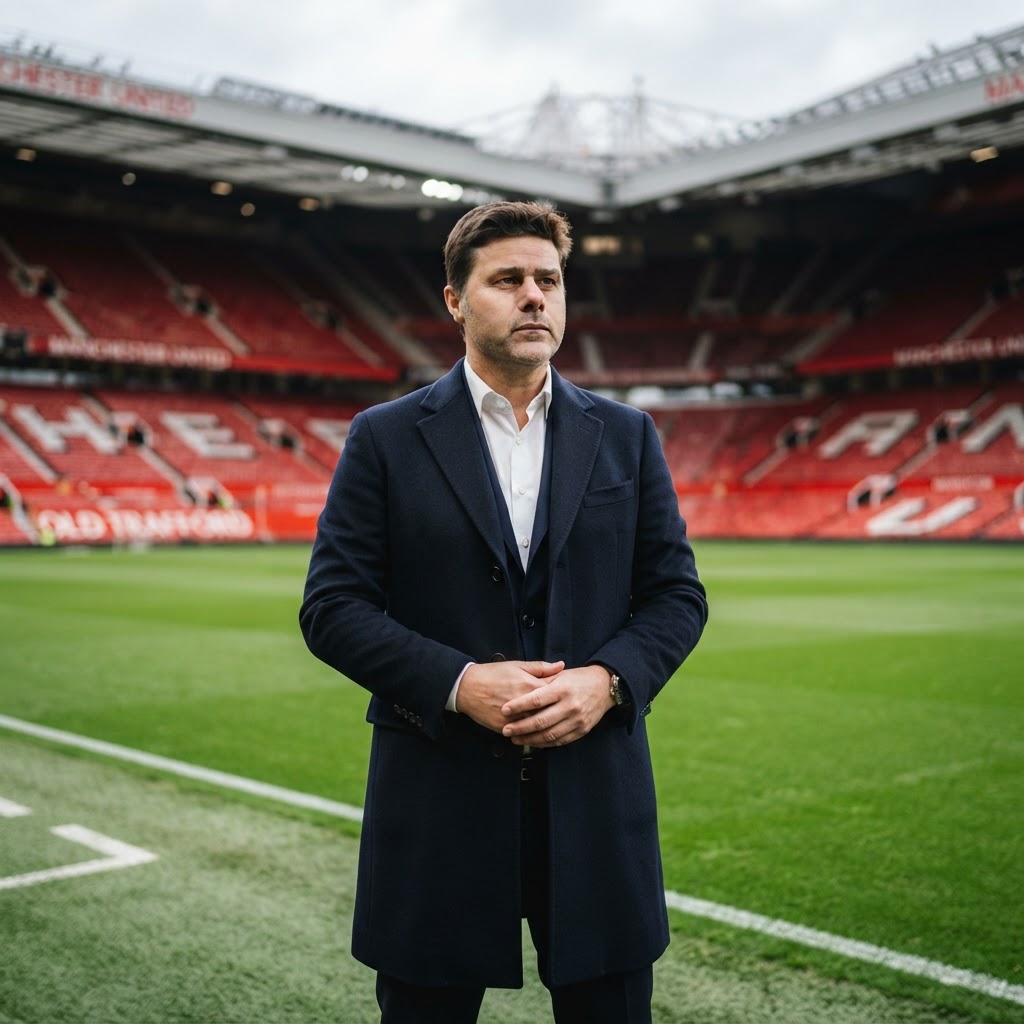
The Sunday afternoon air on Merseyside carried a familiar chill for Manchester United supporters, though the atmosphere inside Anfield was warmer than it had been for some time. For Mauricio Pochettino, the walk to the dugout marked the commencement of a mandate to restore order to a fractured institution. However, by the time the final whistle blew on 22 November 2026, the gulf between the two historic rivals had never looked more cavernous. A comprehensive 4-0 victory for Liverpool served as a blunt instrument of reality, shattering any fleeting illusion that a change in management might yield an immediate tactical renaissance.
Tactical disintegration
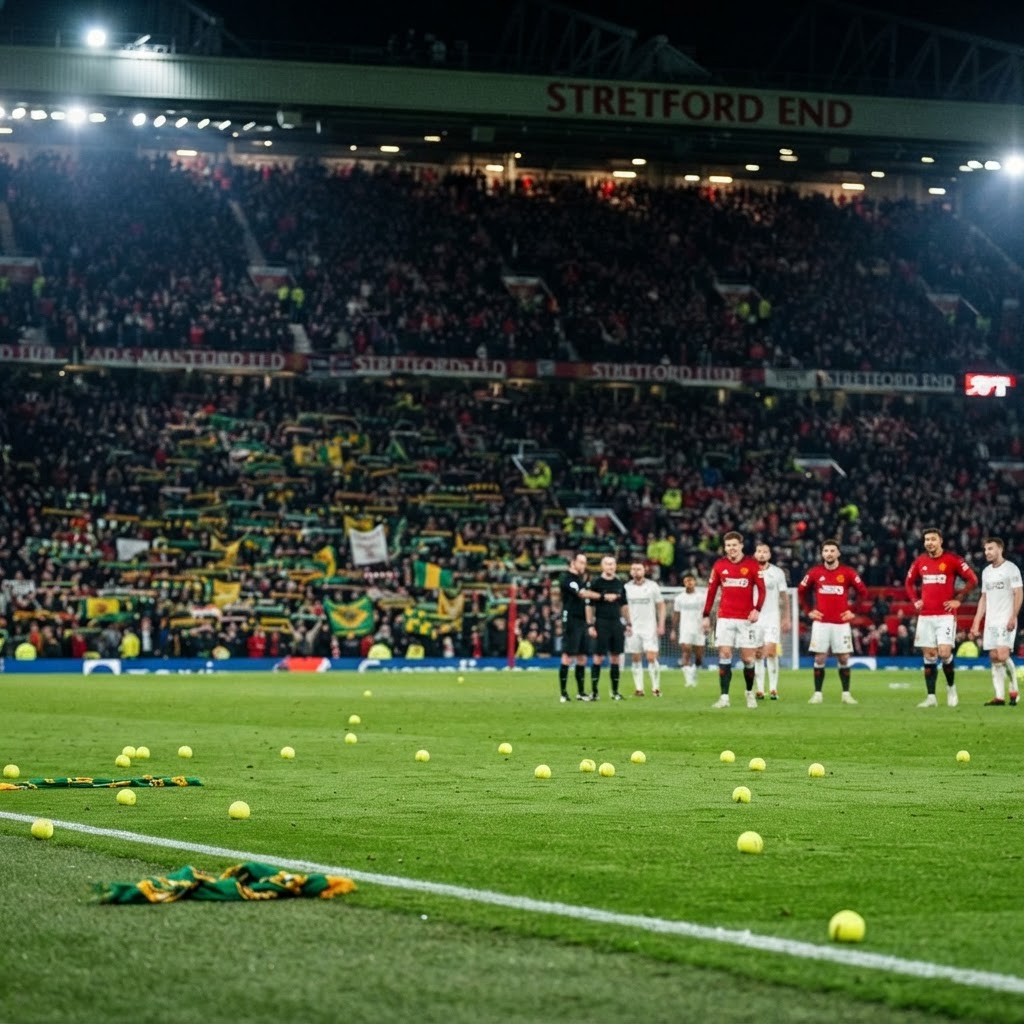
Pochettino, who had been ushered into the role only days prior following a rapid restructuring of the club’s leadership, was expected to provide the organisation and defensive rigour that had been so conspicuously absent during the autumn. Instead, he watched from the touchline as his defensive structure dissolved under the weight of sustained Liverpool pressure. The hosts, managed with characteristic clinical efficiency, exploited the transition gaps that have plagued United for seasons. The damage was compounded midway through the second half when a red card reduced the visitors to ten men, effectively extinguishing any slim hope of a comeback. The dismissal, symptomatic of a side struggling to maintain composure under intense scrutiny, left the travelling cohort of Manchester supporters in a state of weary resignation.
Structural malaise
It would be unfair to suggest that the entirety of this defeat lies at the feet of the new incumbent. The squad at Pochettino's disposal remains a patchwork assembly, lacking the cohesion and intensity associated with the elite echelons of the modern Premier League. Analysts have long pointed to the disjointed nature of United’s recruitment and a lack of clear identity in the middle of the park. Against a Liverpool side that operates with a synchronous, almost rhythmic understanding of space and possession, United appeared as a collection of individuals rather than a cohesive unit. Even with the tactical shifts attempted during the interval, the defensive line was consistently caught high, leaving gaps that the Liverpool forwards navigated with ease.
The long road to recovery
For the hierarchy at Old Trafford, this result raises urgent questions regarding the extent of the rebuild required. Pochettino is widely regarded as a coach of significant pedigree, capable of developing young talent and implementing a high-pressing philosophy. However, the current reality suggests that the cultural rot within the dressing room may be deeper than any single coaching change can rectify within a matter of days. The supporters, who have demonstrated remarkable patience, will be looking for signs of progress that extend beyond the scoreline in the coming weeks. The focus will now shift to how the group reacts to such a resounding reversal. The Premier League schedule offers no respite, and further displays of this nature will only amplify the pressure on the board to provide clearer direction regarding the club’s long-term trajectory. As the cameras tracked Pochettino walking down the tunnel, his expression was one of profound contemplation. He understands, perhaps better than anyone, that the task of dragging Manchester United back into contention for the top four is not merely a footballing challenge, but a systemic one.